
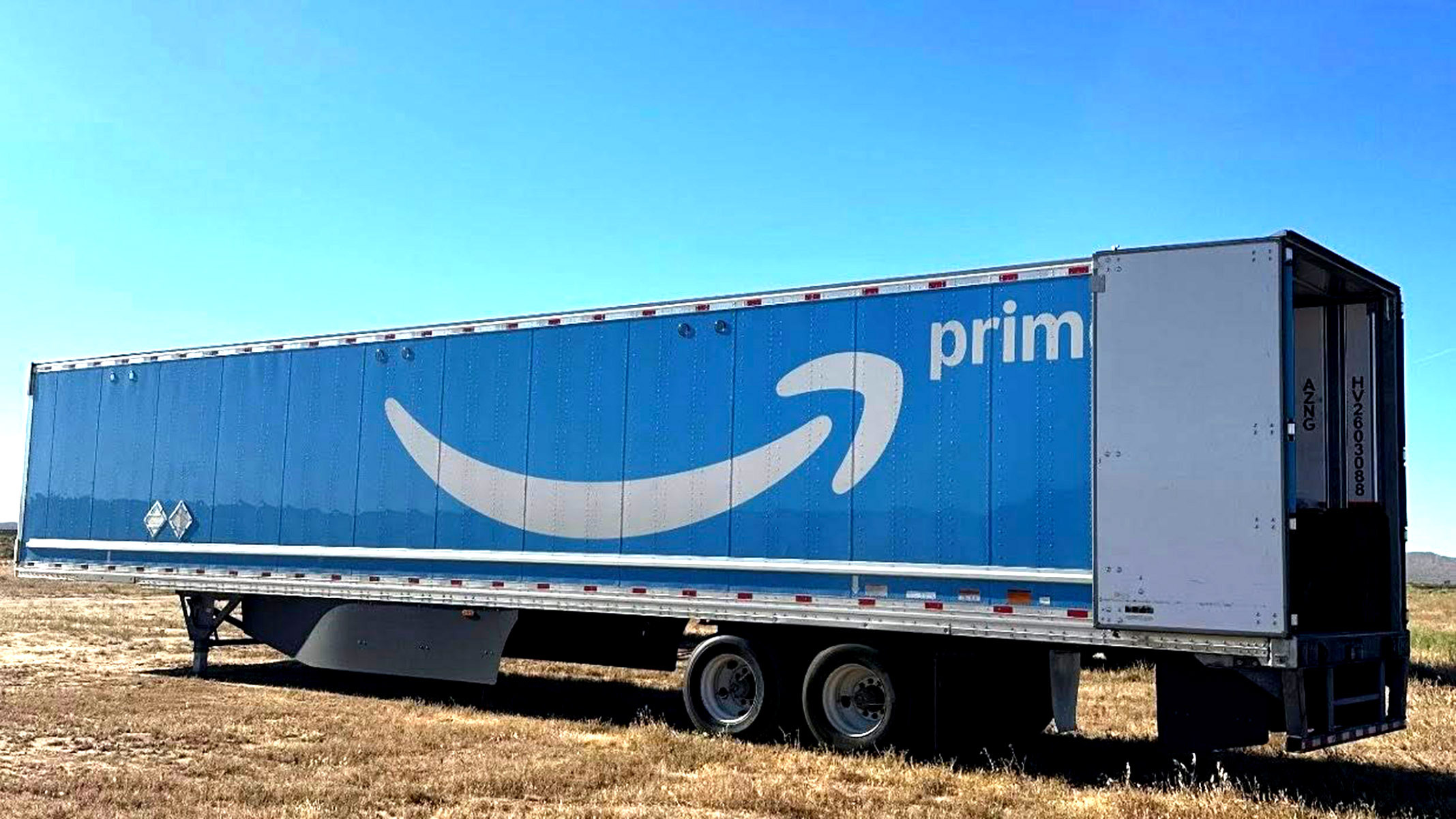


Criminals don’t need crowbars anymore. They need a printer, a fake identity, and a phone number that rings to a burner. That’s the new face of cargo theft in America, and it’s bleeding the trucking industry at a rate of $18 million a day.
The American Transportation Research Institute puts the math in gut-punch terms: $208 every second, $12,500 every minute. Supply chain security firm Overhaul logged nearly seven cargo theft incidents per day during the first quarter of 2026. The fastest-growing method isn’t a midnight smash-and-grab.
It’s a scheme called a deceptive pickup, where organized crews forge carrier credentials, impersonate legitimate trucking companies, and walk away with loads that were handed to them willingly.
The growth in deceptive pickup schemes tells us that organized networks are investing in fraud infrastructure,” Overhaul CEO Barry Conlon told TTNews. These aren’t opportunists. They’re running businesses.
The auto industry is taking an outsized hit. Overhaul found that thefts involving vehicles and automotive parts spiked 142 percent compared to the fourth quarter of 2025 and climbed 51 percent year-over-year. Parts shipments moving through distribution corridors have become fat targets, and the downstream consequences ripple into production schedules, dealer inventories, and insurance costs that land on buyers.
California, with its massive port complexes and sprawling distribution networks, remains ground zero. The Kern County Sheriff’s Office recently recovered a stolen trailer packed with $1 million worth of Lego sets, a reminder that thieves don’t discriminate by product category, only by resale value. Sacramento is now weighing a bill to create a dedicated cargo theft task force under the state attorney general.
Several states aren’t waiting. Arkansas Governor Sarah Huckabee Sanders signed emergency legislation in March adding up to 10 years in enhanced penalties for cargo theft convictions and stripping offenders of early-release eligibility. Tennessee’s new laws, taking effect July 1, expand organized retail crime statutes to cover stolen goods sold through online marketplaces and social media, while broadening the legal definition of cargo theft to give prosecutors sharper tools.
Arizona is evaluating its own crackdown after trucking firms reported mounting losses along interstate corridors. Michigan, Missouri, New Jersey, and South Carolina are all exploring tougher measures.
The pattern is familiar. Crime evolves, losses mount, and legislatures eventually react. The question is whether stiffer sentences actually deter networks sophisticated enough to build entire fraud operations with fake websites, spoofed phone numbers, and counterfeit insurance documents, or whether the criminals simply shift to states that haven’t caught up yet.
That geographic whack-a-mole is the real vulnerability. A patchwork of state-level responses against criminal networks that operate across state lines and sometimes international borders has obvious limitations. Federal coordination remains thin, and the freight brokerage system, built on speed and trust, is structurally easy to exploit.
The $18 million daily tab isn’t some abstract industry problem. It flows downhill into higher shipping costs, inflated parts prices, and supply chain delays that touch every vehicle sitting on a dealer lot. The thieves may have traded bolt cutters for laptops, but the damage is more real than ever.





Share this Story