
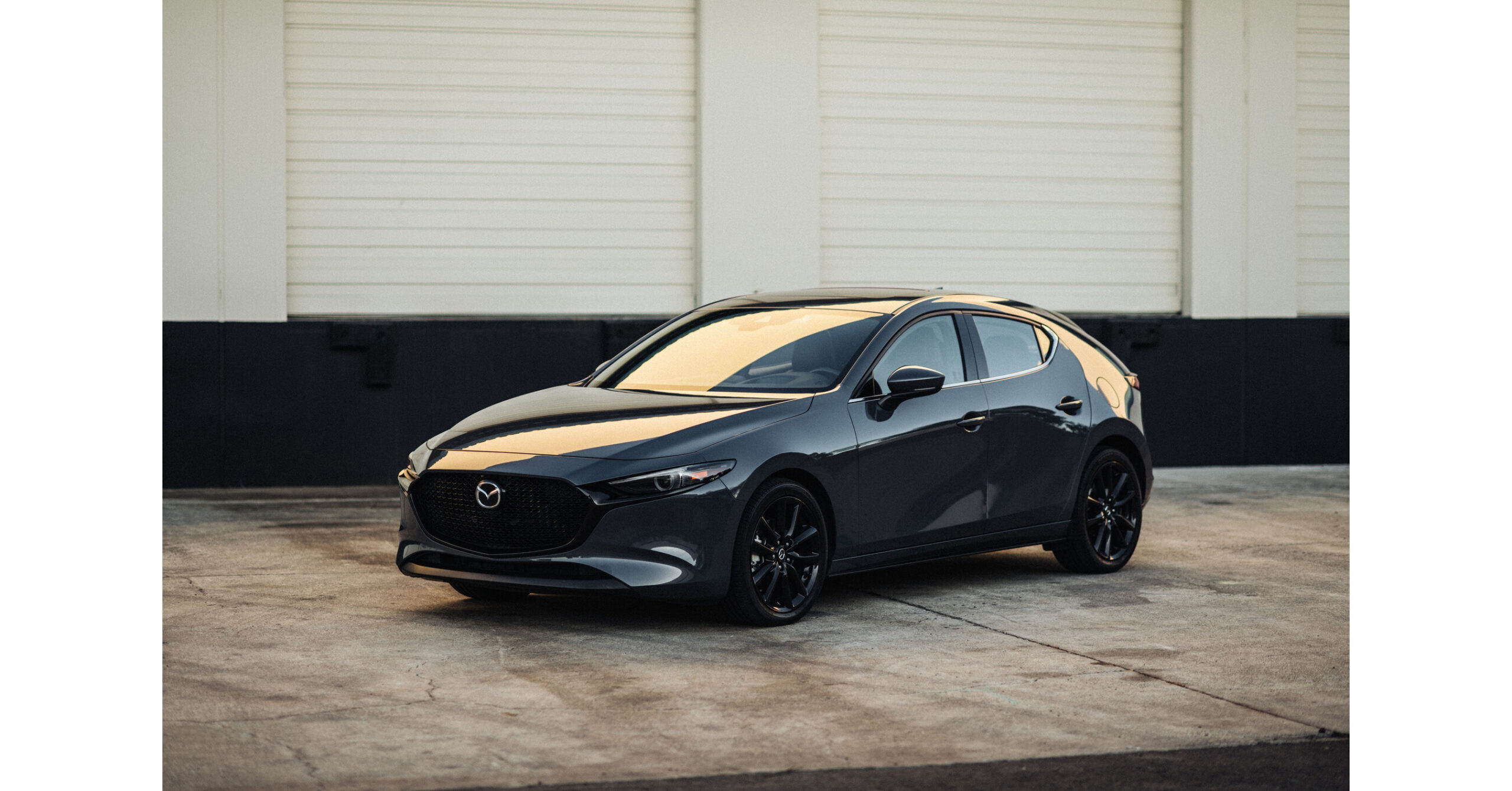


Mazda sold 39,066 vehicles in the U.S. last month, a 35 percent jump over May 2025 and the brand’s best month in nearly a year. On the surface, it looks like a comeback story. Dig into the numbers and the picture gets complicated fast.
Year-to-date, Mazda is still down 6.9 percent, having moved 164,667 vehicles through the first five months of 2026 compared to 176,913 over the same stretch last year. One strong month doesn’t erase a 12,000-unit deficit.
The CX-50 is doing the heavy lifting. The nameplate, including its new hybrid variant, posted 14,897 sales in May, more than doubling its year-ago total of 7,188. The CX-50 Hybrid notched its best month ever, and the broader CX-50 line now accounts for more than a third of Mazda’s year-to-date volume at 52,132 units.
That’s a model doing exactly what it was designed to do. But the CX-50’s rise is masking erosion elsewhere.
The CX-5, long Mazda’s bread-and-butter crossover, fell 17.9 percent in May to 7,805 units. Year-to-date it sits at 53,003, down 6.2 percent. Some of that is cannibalization, since the CX-50 occupies adjacent territory, but losing ground on your volume anchor is never comfortable.
The CX-30 cratered. May sales of 5,060 units look respectable in isolation, but year-to-date the subcompact crossover has collapsed 46.2 percent, dropping from 31,622 to just 17,025. That’s not a dip. That’s a freefall, and Mazda’s release offers no explanation.
The two-row CX-70 and three-row CX-90, Mazda’s ambitious push upmarket, aren’t delivering. The CX-70 managed 1,402 sales in May, decent growth over a weak May 2025 but a 34.4 percent year-to-date decline. The CX-90 moved 4,728 units, up modestly month-over-month, yet it’s down 30.5 percent on the year.
These were supposed to be Mazda’s profit engines, the vehicles that would reposition the brand against Acura and entry-level Germans. So far in 2026, they’re shrinking.
Cars, ironically, are the bright spot nobody expected. The Mazda3 posted its best May since 2021, with 4,121 units sold, a 68 percent increase. The hatchback variant surged 71 percent.
The MX-5 Miata nearly tripled its May volume, moving 1,053 units on what appears to be strong demand for both the soft-top and the RF. Year-to-date car sales are up 10.8 percent. In a market that supposedly abandoned sedans and sports cars years ago, Mazda’s passenger car lineup is outperforming most of its crossover portfolio.
North of the border, the story turns grim. Mazda Canada reported a 21 percent decline in May and sits 16.1 percent behind last year’s pace. Mexico fared better with a 13 percent gain, though it remains essentially flat on the year.
The certified pre-owned business ticked up 7.2 percent to 7,992 units, a modest but steady contributor.
Strip away the CX-50 and the Mazda3 revival, and this is a brand losing traction on multiple fronts. The premium-crossover gambit with the CX-70 and CX-90 is stalling. The CX-30 is in crisis. Canada is retreating.
Mazda has always punched above its weight on product quality and driving dynamics. But 795 dealers need volume, and right now, two nameplates are carrying the entire U.S. operation. A 35 percent May headline makes for a nice press release, but the year-to-date ledger tells a story Mazda would rather you didn’t read too closely.



Share this Story