
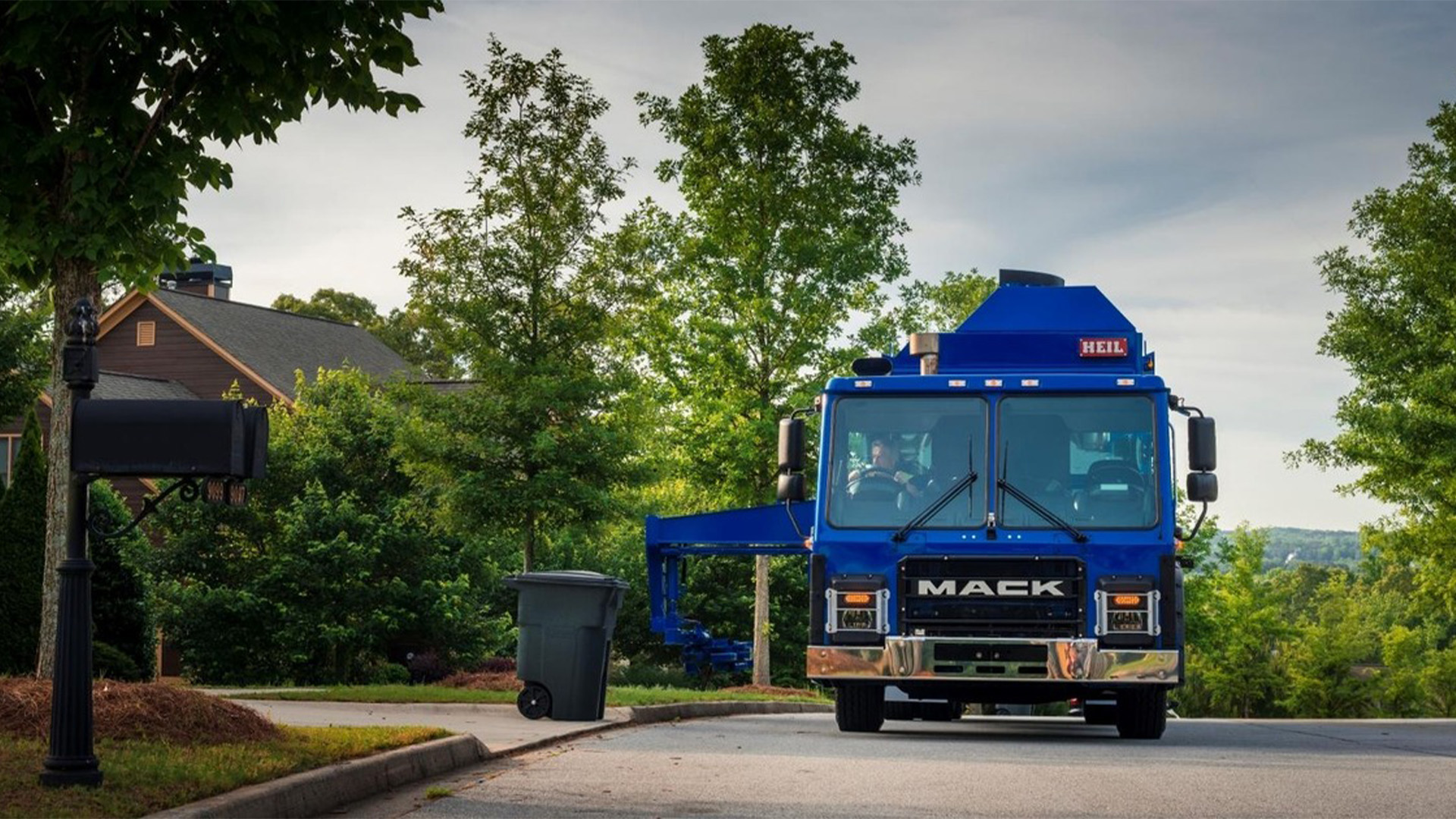


Three garbage trucks in three different states were damaged or set ablaze in a single week, all because someone tossed car batteries into the trash. The pattern is not new. But the frequency is getting worse, and the consequences are escalating from nuisance to genuine public safety hazard.
In Rio Bravo, Texas, a city garbage truck suffered what officials called “significant” damage last Friday after a container loaded with car batteries was emptied into its compactor. The city warned residents to expect disrupted trash service while a specialized mechanic worked on the truck. No fire was reported, but the implication was clear: crushing batteries inside a hydraulic compactor is playing with a fuse.
That fuse lit two days later in Roseville, California, just outside Sacramento. City officials released video of lithium-ion batteries erupting in the back of a garbage truck, flames rolling through compacted refuse in seconds. Sacramento Fire’s Justin Sylvia described the chain reaction as happening “so quickly and so violently” that containment becomes nearly impossible once it starts. The fire also released toxic gas, adding an invisible threat to the visible one.
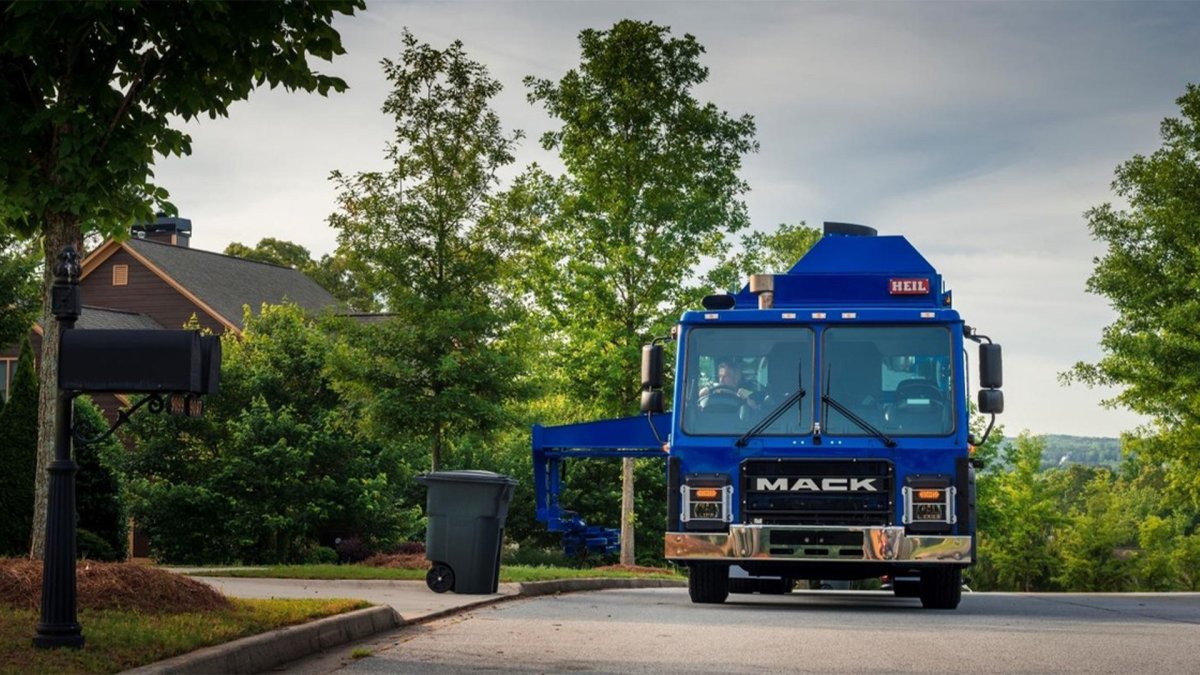
On that same Wednesday, firefighters in Troy, Michigan, responded to yet another garbage truck blaze. The driver had enough presence of mind to dump the truck’s entire payload onto the ground to keep the fire from consuming the vehicle itself. Crews found a lithium-ion battery in the smoldering debris and identified it as the ignition source.
Three incidents in five days, coast to coast, from a small Texas border town to suburban Detroit to the Sacramento suburbs. The geography is random. The cause is identical.
Gothamist documented a wave of similar fires in New York City garbage trucks throughout 2024. The problem is migrating from dense urban centers into every kind of American community. And it tracks with the explosion of lithium-ion battery use in everything from power tools to e-bikes to electric vehicles.
More batteries in circulation means more batteries ending up where they should never be.
Lead-acid batteries, the traditional 12-volt units under the hood of most cars, present their own dangers. Sulfuric acid and lead are not things you want leaking into a landfill or splashing around inside a compactor. But lithium-ion cells add a dimension lead-acid never had: thermal runaway.
Puncture or crush a lithium-ion cell and it can generate its own heat, ignite its own electrolyte, and spread fire to neighboring cells in a cascading reaction that water alone struggles to suppress.
Every auto parts store in America will take back a used lead-acid battery. Most will even pay you a few bucks for the core. Lithium-ion batteries can go to household hazardous waste collection sites or dedicated recycling drop-offs.
The infrastructure exists. The problem is not access. It is awareness, or the lack of it.
Garbage truck drivers are not paid to be hazmat responders. The Troy driver who dumped a burning load onto the street made the right call under pressure, but no one should have to make that call during a Tuesday morning route. Every battery that lands in a dumpster is a bet that the compactor won’t find it.
Three times in one week, the compactor won.
The tiny trash can icon with a line through it printed on every battery is not decorative. It is a warning. And right now, too many people are treating it like wallpaper.



Share this Story