
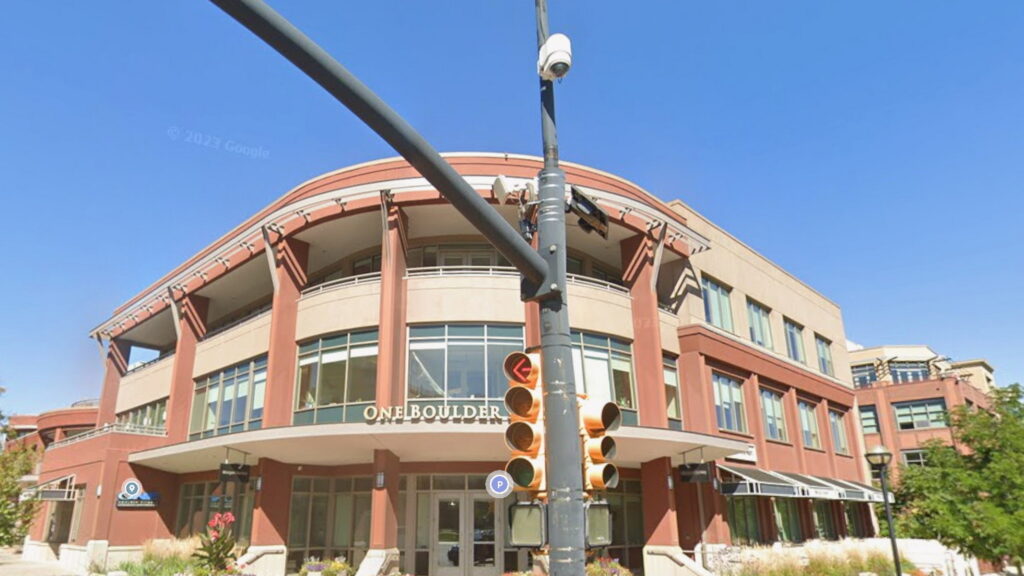


Thirty-one cameras. That’s how many Flock Safety automated license plate readers Boulder, Colorado, has deployed across the city, and two residents just filed suit to shut them all down.
William Freeman and Gwen Steel filed their complaint in Boulder County District Court, naming Police Chief Stephen Redfearn and records specialist Dawn VanAckeren as defendants. Their argument is blunt: the cameras constitute warrantless mass surveillance that violates Colorado’s constitution, which offers privacy protections that go beyond federal standards.
The system captures images and location data on every vehicle that passes, feeding it into a searchable law enforcement database. The plaintiffs call it a “dragnet” capable of mapping where people work, worship, get medical care, attend school, or show up to political events. No judge signed off on monitoring thousands of drivers around the clock. No probable cause was ever established.
Freeman tried to find out what the system had collected on him. He filed a records request under Colorado law and was denied access to his own data. That denial became part of the lawsuit.
Civil rights attorney Andy McNulty is representing the plaintiffs, and he’s making a deliberate choice to fight this on state constitutional grounds rather than federal ones. Colorado’s privacy protections have teeth that the Fourth Amendment, as interpreted by federal courts in license plate reader cases, often does not. That legal strategy matters because Flock Safety’s standard defense — that courts have “repeatedly considered and rejected” constitutional challenges to fixed plate reader systems — leans heavily on federal precedent.
Flock isn’t wrong about its track record. The company has survived legal challenges before, and fixed ALPR systems have generally been upheld as lawful under federal standards. But Colorado is a different arena, and McNulty is betting the state constitution creates an opening that federal law doesn’t.
Boulder’s police chief has publicly defended the cameras. At a January town hall, Redfearn argued the public safety benefits outweigh the privacy risks and pointed out that Boulder does not share camera data with federal immigration authorities. That concession acknowledges exactly the kind of surveillance creep critics fear.
Flock also emphasizes that individual agencies control their own data policies, including retention and sharing. That’s a reassuring talking point until you remember that some departments, when forced to make ALPR images public under records laws, have simply turned the cameras off rather than let citizens see what was being collected. If transparency kills the program, the program probably has a transparency problem.
The plaintiffs are seeking unspecified monetary damages and a court order blocking warrantless use of the readers. Judge Michael Kotlarczyk has been assigned the case. Boulder officials say they are reviewing the complaint.
Thirty-one cameras is modest by national standards. Some cities operate hundreds. But the number almost doesn’t matter. The question is whether a city can build a searchable archive of every resident’s movements without a single warrant, and whether Colorado law draws a harder line than Washington does.
Boulder isn’t the biggest battleground for surveillance technology in America. It might turn out to be the most consequential one.






Share this Story