


Ford sold 155,051 Mavericks in the United States last year. That number — up 18.2 percent from the prior year and more than double the Ranger’s volume — has clearly gotten Toyota’s attention.
Toyota Motor North America CEO Tetsuo Ogawa told Automotive News that a RAV4-based pickup is “an opportunity for us.” He added that “dealers are waiting,” then tempered expectations with two telling words: “it takes time.”
That’s corporate speak for “we don’t have board approval yet.” But the fact that a CEO is saying it publicly, on the record, means the internal conversations are serious enough to float the trial balloon.
The compact truck segment barely existed before the Maverick arrived in 2021. Ford took a gamble on a unibody pickup priced to undercut everything else on the lot, and the market responded with its wallet. No other automaker has managed to replicate that magic.
Hyundai tried with the Santa Cruz, which moved just 25,499 units last year — a fraction of the Maverick’s haul and enough of a disappointment that rumors now swirl about an early death for the model.
So why would Toyota wade into water that already swallowed Hyundai? Because Toyota isn’t Hyundai. The RAV4 has been America’s best-selling SUV for years, and a pickup derivative would carry brand equity the Santa Cruz never had.
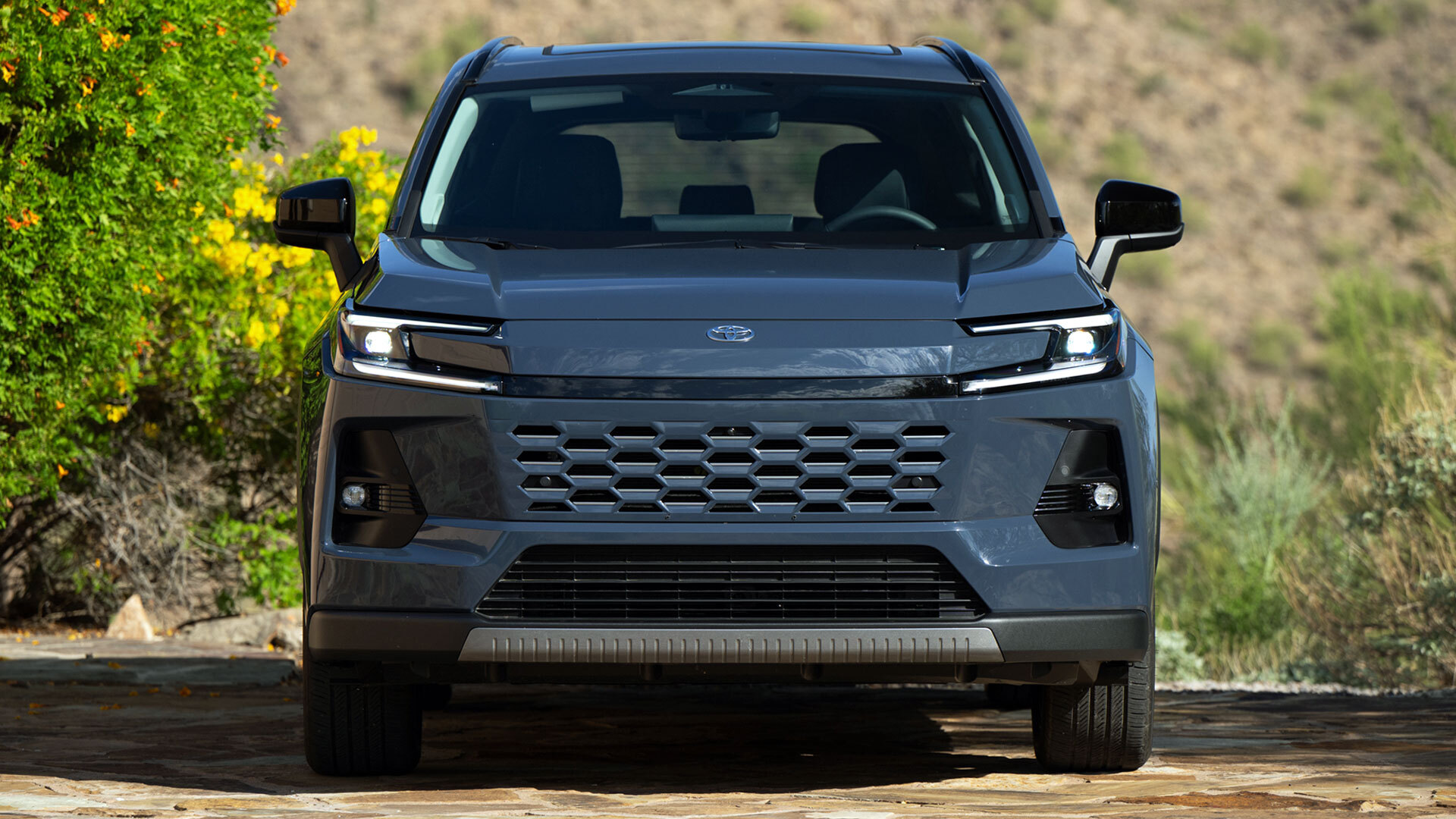
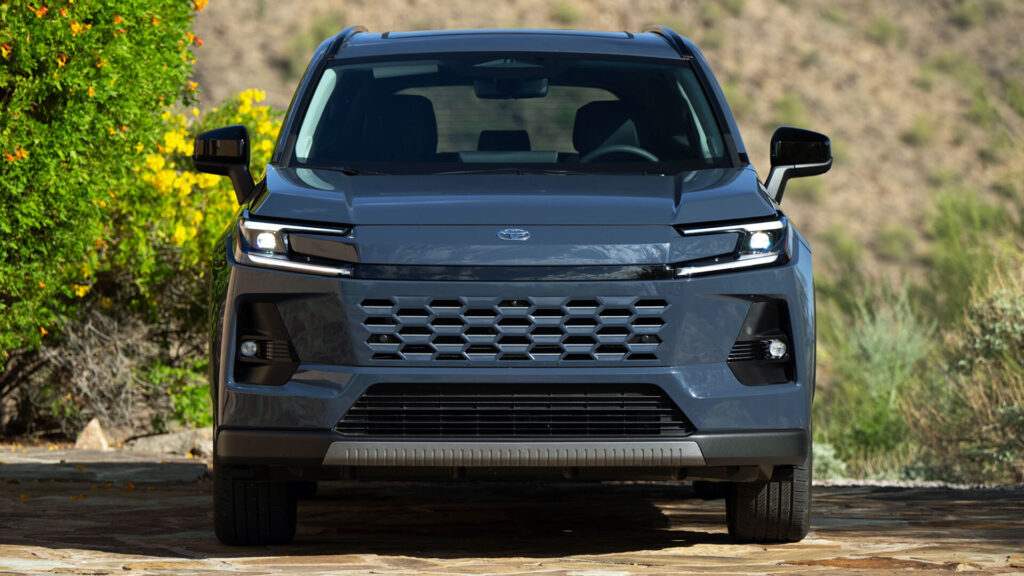
More importantly, the mechanical foundation already exists and it’s potent. The redesigned RAV4, unveiled nearly a year ago, comes standard with a hybridized 2.5-liter four-cylinder making 226 horsepower. The all-wheel drive version bumps that to 236 horses with a rear-mounted electric motor, compared to the Maverick Hybrid’s ceiling of 191 horsepower.
Fuel economy tells the same story. The Maverick Hybrid earns an EPA-estimated 42 city, 35 highway, and 38 combined. The RAV4 Hybrid does 47, 40, and 43.
A RAV4-based truck would likely weigh more than the crossover and sacrifice some of that efficiency, but it would still be competitive with the Maverick — or better.
Then there’s the plug-in option. The RAV4 Prime packs a 2.5-liter engine, a 22.7-kWh battery, and electric motors for a combined 324 horsepower and 52 miles of electric-only range. If Toyota carried that powertrain into a compact pickup, it would create something Ford simply doesn’t offer: a PHEV truck under $45,000 that can handle a daily commute on electrons alone.
The timing question is the real obstacle. Toyota’s product development cycles are deliberate. Ogawa’s language suggests this truck is years away, not months.
That gives Ford time to evolve the Maverick and potentially widen its lead. It also gives the tariff landscape time to shift — a real concern, since any new model built on the TNGA platform would need to pencil out under whatever trade rules exist when it hits production.
But the strategic logic is sound. Toyota already builds the bones. It already has the dealer network begging for the product.
The Maverick has proven that Americans will buy a small, efficient, affordable truck in enormous numbers if someone bothers to build one. The only surprise here is that it took Toyota this long to say the quiet part out loud.


Share this Story