
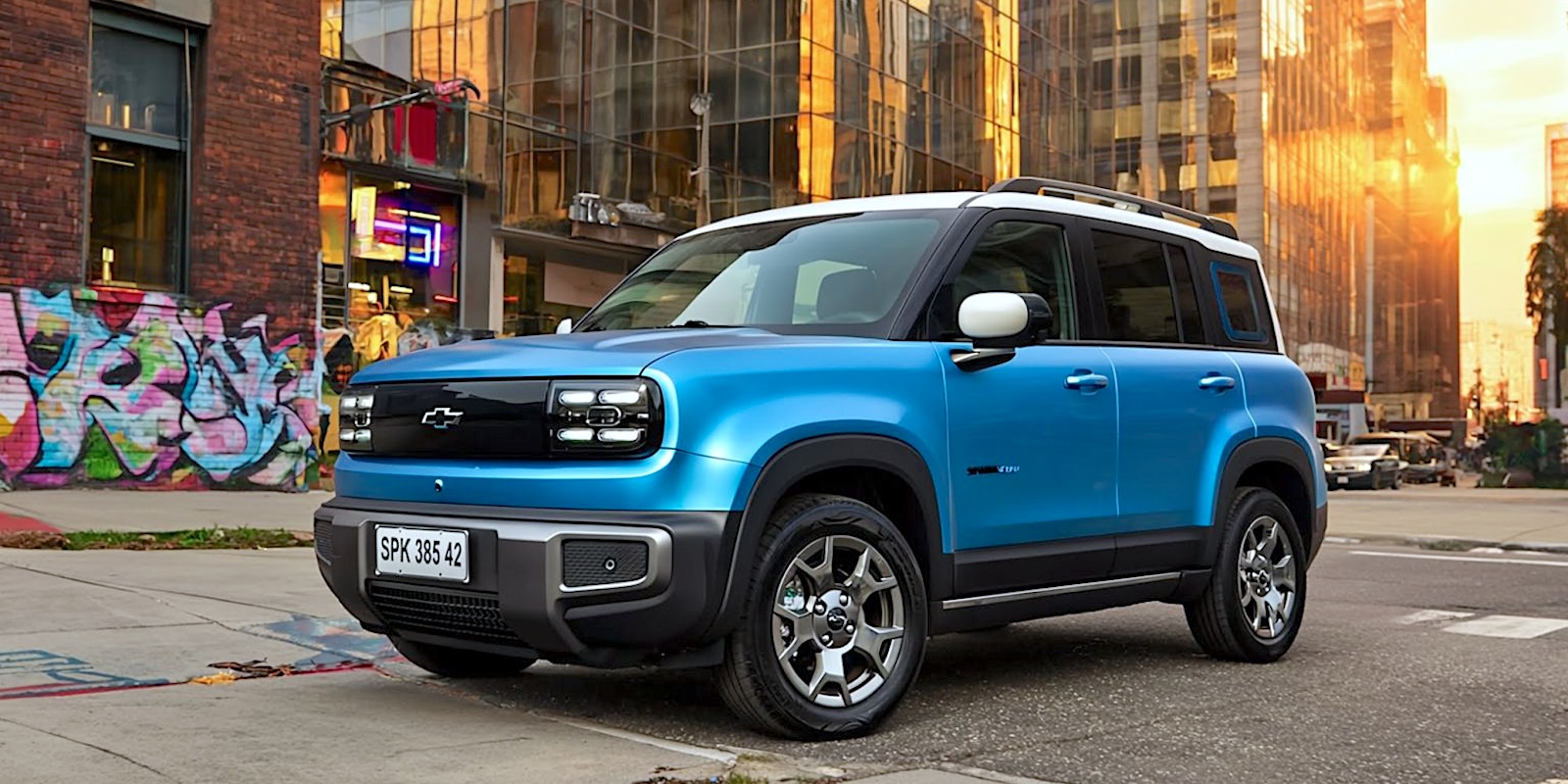


General Motors has been retreating from markets around the world for the better part of a decade. Now, in Brazil, it just pulled off something nobody in Detroit expected: the new Chevy Spark EUV has become the best-selling electric SUV in the country.
The nameplate itself is a resurrection. The original Spark was a cheap urban runabout that GM killed off in the U.S. back in 2022. Reborn as a small electric crossover for Latin America, it has found an audience that the old gas-powered hatchback never could.
Brazil’s EV sales have jumped more than 60 percent year-on-year, according to ANFAVEA, the country’s auto manufacturing trade group. Government incentives aimed at cutting carbon emissions have helped, but the real driver is consumer appetite. Brazilians want electric crossovers, and they want them priced within reach.
That’s where the Spark EUV lands its punch. Chevrolet positioned the vehicle at a price point aggressive enough to undercut much of the competition while still delivering what the market demands: usable range, modern safety tech, and the compact SUV proportions that dominate Brazilian showrooms. It’s a formula that sounds simple on paper but has tripped up plenty of automakers trying to crack emerging EV markets.
The competition is real, though. BYD’s Atto 3 has been gaining ground across South America with China-backed pricing power that keeps European and American brands on edge. Renault’s Duster E-Tech brings brand recognition from decades of dominance in Brazilian compact segments.
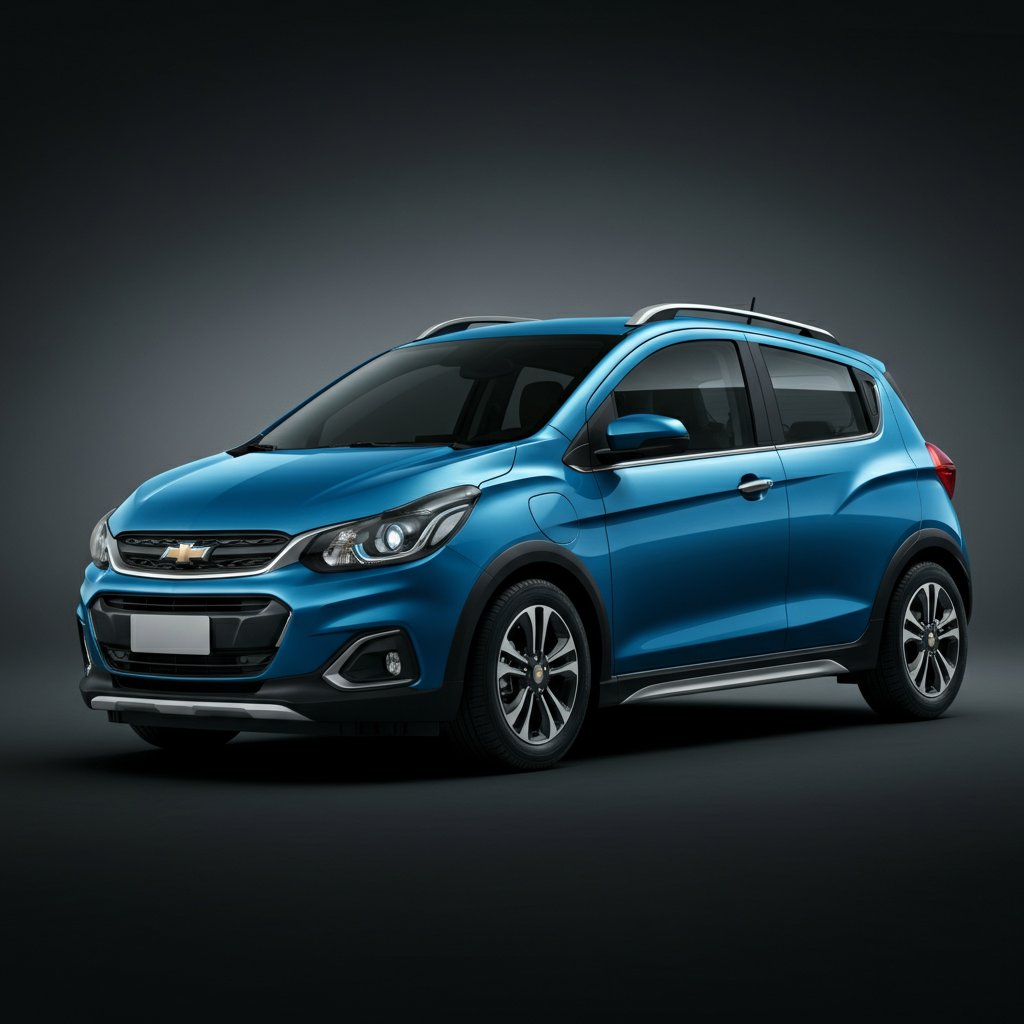
But for now, the Spark EUV sits on top, and that says more about GM’s strategy than any corporate earnings call could. The company that abandoned Europe, sold off its Indian operations, and pulled out of right-hand-drive markets entirely has decided that Brazil is worth fighting for. Electrification gave them the excuse to re-enter with a clean product unburdened by the old Spark’s bargain-bin reputation.
Early buyer feedback has been strong. Owners cite the balance between daily usability and the feeling of buying something forward-looking. In a country where flex-fuel ethanol vehicles have dominated for years, the psychological leap to full electric is significant. The Spark EUV appears to be easing that transition for a demographic that might not have considered a battery-powered vehicle even two years ago.
Brazil is now one of the most dynamic EV battlegrounds on the planet. Chinese, European, and American manufacturers are all scrambling for share in a market that barely registered on the global EV map five years ago. Government policy, rising consumer expectations, and falling battery costs have converged to create an opening that didn’t exist before.
GM needed a win somewhere in the electric space. Its Ultium-based launches in North America have been uneven at best, plagued by production delays and lukewarm reception for vehicles like the Blazer EV. Brazil offered a different equation: a growing market, less entrenched EV competition, and a consumer base that already trusted the Chevrolet badge.
The Spark EUV isn’t going to rewrite GM’s global EV narrative overnight. But topping the sales charts in Latin America’s largest economy is the kind of result that buys time and credibility, two things GM’s electric ambitions desperately need.
Share this Story