


Honda just posted its first-ever loss. Stellantis is restarting V8 production. Ford killed its electric family haulers. Nissan is pivoting back to gas-powered body-on-frame SUVs. These aren’t isolated moves. They are the wreckage of a global EV transition that consumed tens of billions of dollars and is now collapsing under its own weight.
The scale of the writedowns is staggering. Across the industry, Ford, GM, Stellantis, Volkswagen, and others are booking losses on EV programs that were supposed to define the next era of transportation. Instead, they define one of the most expensive miscalculations in modern industrial history.
Ford’s retreat is perhaps the most telling. The company walked away from electric three-row family vehicles, the segment Detroit has printed money on for two decades, and is now redirecting toward cheaper electric trucks, SUVs, and possibly cars alongside extended-range electric vehicles. That pivot acknowledges something Ford’s leadership spent years denying: customers weren’t buying what they were selling, at least not at the prices required to make the math work.
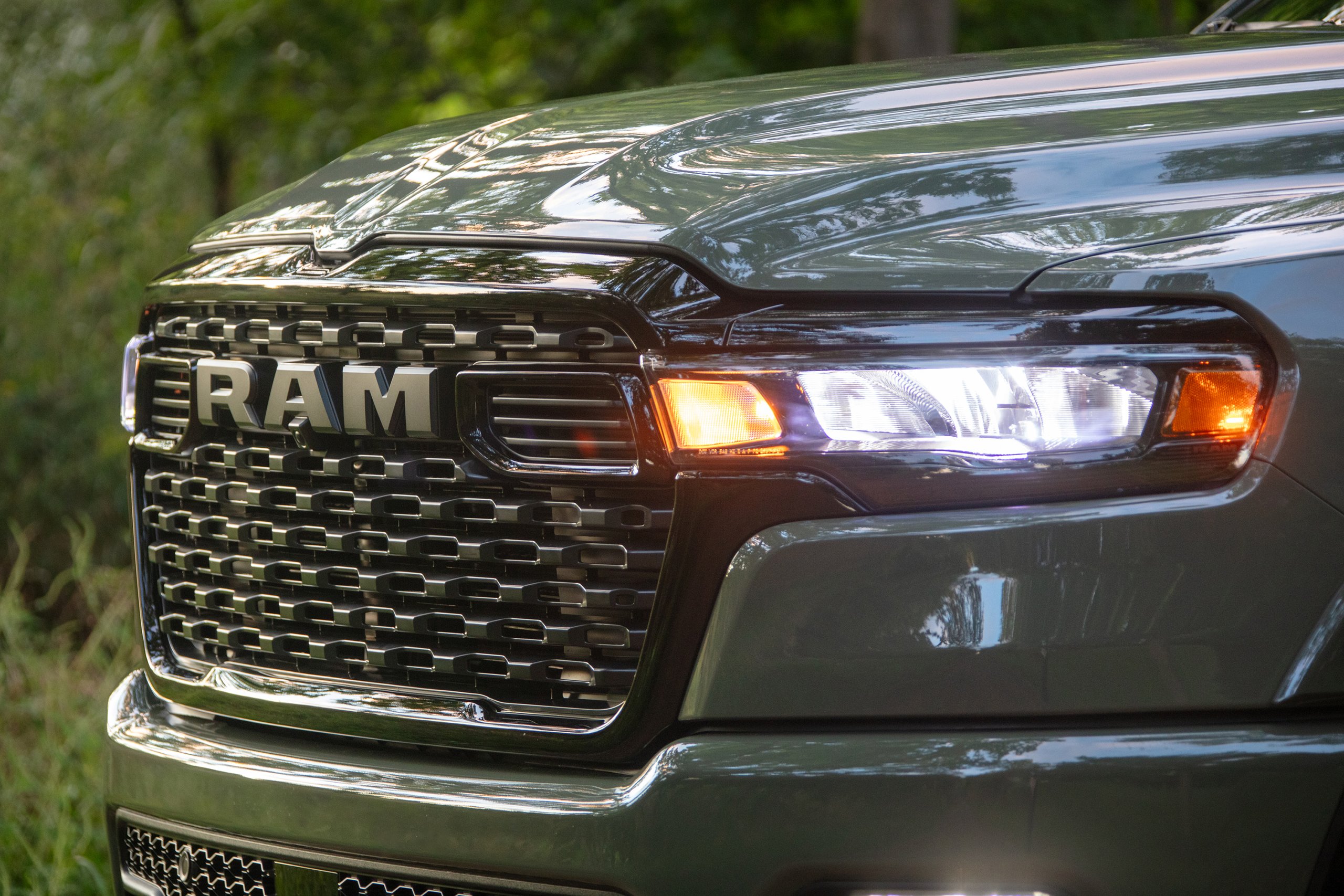
Stellantis is stalling its EV rollout entirely while it figures out what comes next. Meanwhile, it’s putting V8 engines back into production, a move that would have been career suicide for any executive to suggest out loud two years ago. The fact that it’s now corporate strategy tells you everything about where the wind is blowing.
Nissan’s answer is even more blunt. The company is developing gas-powered body-on-frame SUVs, the kind of truck-based profit machines that Toyota and GM have ridden for decades. Nissan, once a pioneer with the Leaf, is essentially admitting the EV-first future it banked on isn’t arriving on schedule.
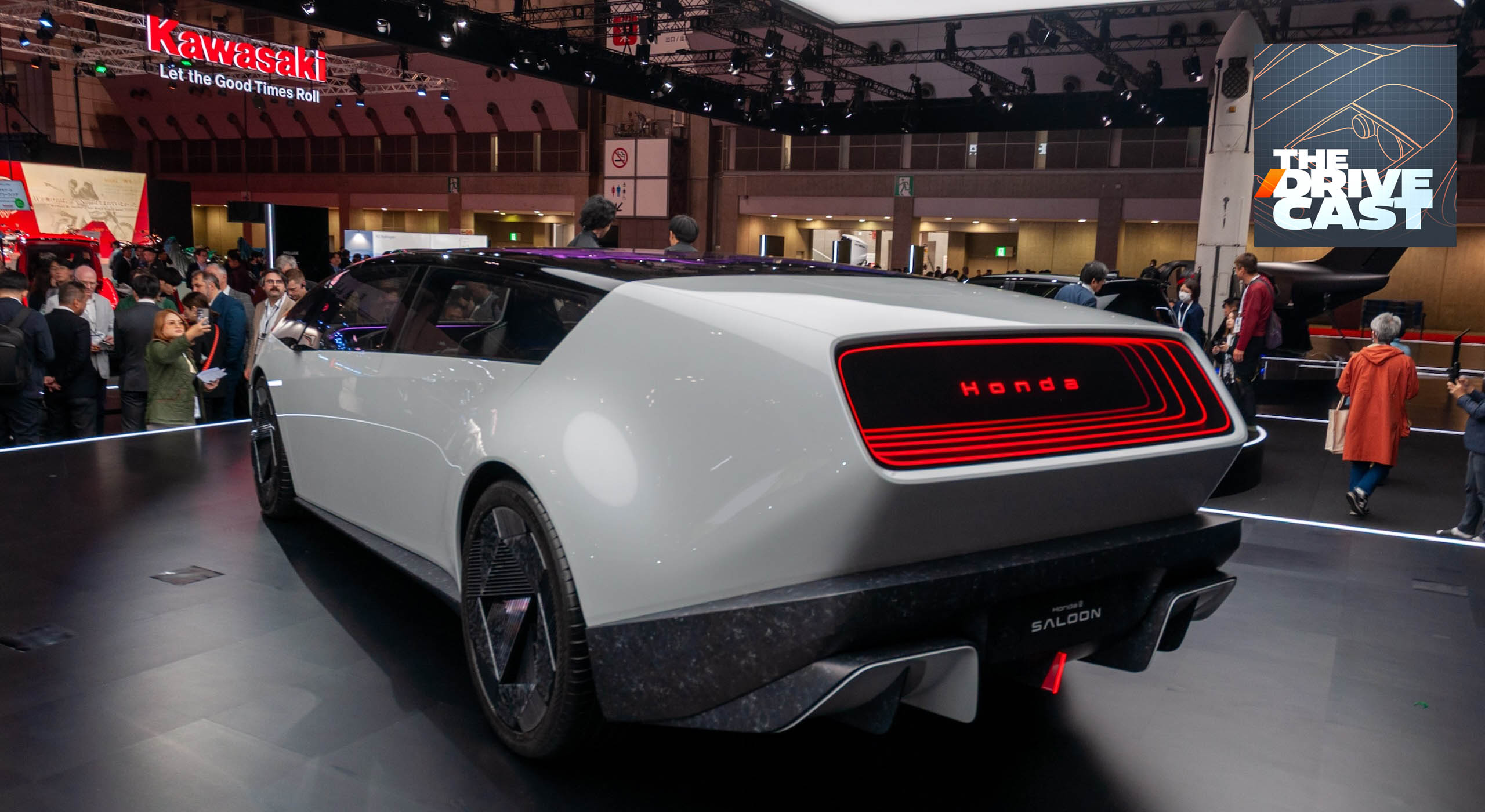
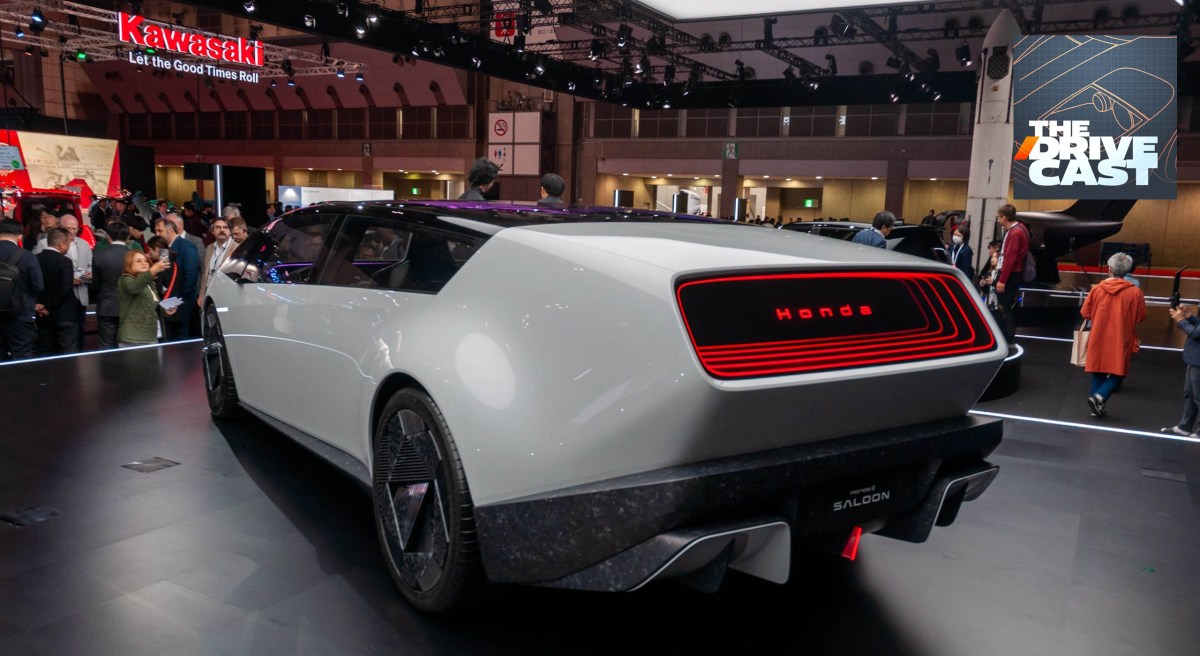
Then there’s Honda. A company that has never posted a loss in its history just did. Honda’s pain is tied to the broader disruption, and it underscores how deeply the EV gamble cut across the entire industry, not just the usual suspects in Detroit.
GM, which committed over $35 billion to its EV and autonomous vehicle programs, is now recalibrating in real time. The Ultium platform was supposed to underpin everything from Cadillac flagships to affordable Chevrolets. Reality has been less cooperative.
Volkswagen, which bet the company on electrification with a $100-plus billion commitment, is closing factories in Germany for the first time in its history. The ID family of EVs has underperformed expectations in nearly every market outside China, where local competition has made life even harder.
The common thread is not that EVs are dead. They aren’t. But the fantasy that the entire global fleet would flip to battery power on a politician’s timeline, with consumers eagerly paying premium prices, has been thoroughly demolished. What’s replacing it is a messy, expensive scramble back toward hybrid powertrains, extended-range EVs, and yes, good old internal combustion.
Car companies spent most of 2025 in wait-and-see mode. Now they’ve seen enough. The moves being made this quarter, cancellations, redirections, billions in writeoffs, will shape the industry for the next decade. Some companies will recover. Others won’t survive the hangover.
The irony is thick. Automakers were told the future was electric, and they believed it with the fervor of converts. They reorganized, retooled, hired thousands of software engineers, and made promises to investors and regulators alike. Now they’re quietly rehiring engine calibrators and dusting off platform architectures they swore were obsolete.
Nobody is saying it out loud yet, but the EV transition as originally conceived is over. What replaces it will be slower, more pragmatic, and far less glamorous. The bills, however, have already come due.


Share this Story