
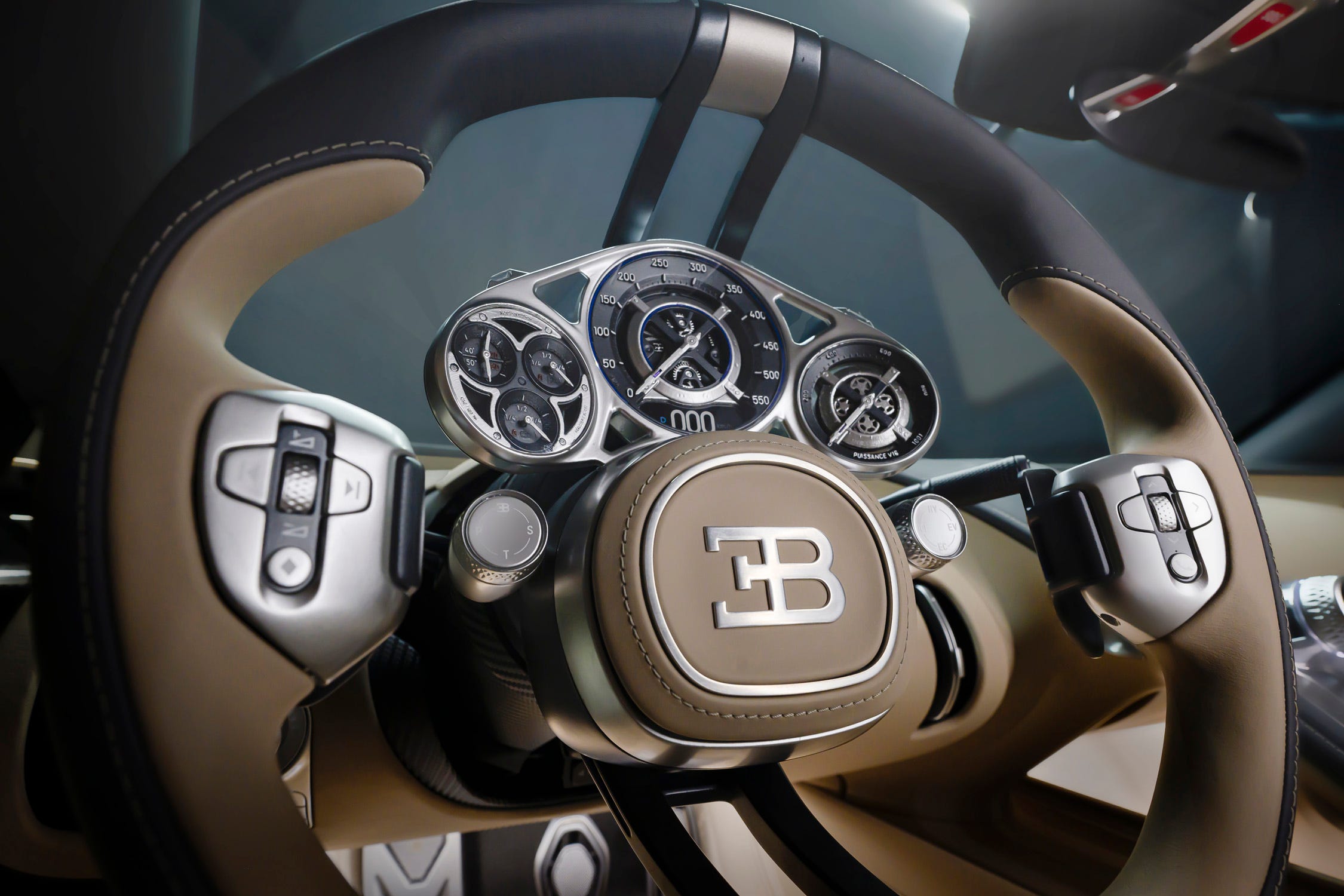


Porsche is walking away from Bugatti. The German automaker announced Thursday it will sell its 45 percent stake in the Bugatti-Rimac joint venture and its 20.6 percent holding in the broader Rimac Group to a consortium led by New York-based HOF Capital, with Abu Dhabi’s BlueFive Capital as the largest investor.
The deal ends nearly three decades of Volkswagen Group influence over Bugatti, a relationship that began when VW bought the storied French marque in 1998 and poured billions into engineering monuments like the Veyron and Chiron. Porsche, as VW’s most prominent subsidiary, inherited stewardship of that legacy when it helped engineer the 2021 joint venture with Mate Rimac’s Croatian electric hypercar company. Now it’s cutting the cord, and the reason is pure survival math.
Porsche reported more than $5 billion less in profit in 2025 than the prior year. U.S. tariffs are squeezing margins. Demand in China, once the company’s golden market, continues to erode.
CEO Michael Leiters didn’t sugarcoat it: “With the sale of our stake, we demonstrate that we will focus Porsche on the core business.” Translation: Bugatti is a luxury Porsche can no longer afford.
The buyers are an interesting bunch. HOF Capital was co-founded by a scion of Egypt’s billionaire Sawiris family. BlueFive Capital is run by Hazem Ben-Gacem, formerly of alternative investment giant Investcorp.
Together with a group of unnamed institutional investors across the U.S. and EU, they’re stepping into one of the most rarefied corners of the automotive world. Financial terms were not disclosed. But last year, Bloomberg reported that Mate Rimac had made a preliminary offer valuing the joint venture at slightly over one billion euros, roughly $1.1 billion.
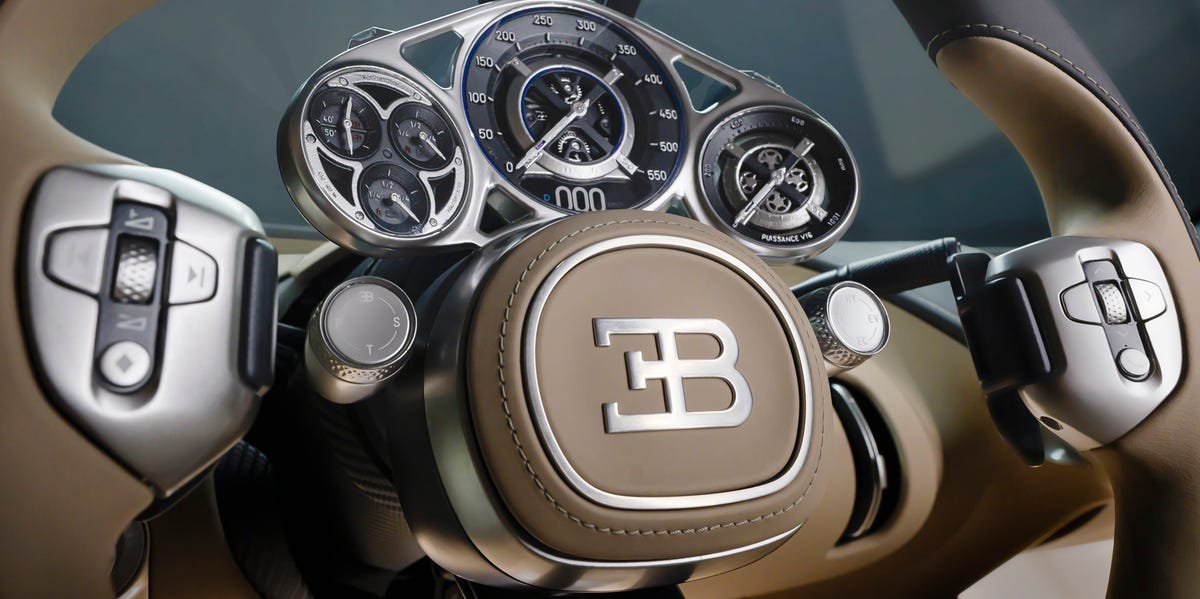
Whatever Porsche ultimately collects, it’s a fraction of the capital VW Group sank into Bugatti over a quarter century. For Rimac, this is liberation.
Once the deal clears regulatory hurdles, expected before year-end, Rimac Group will take full operational control of Bugatti Rimac. No more answering to Stuttgart. Rimac called Porsche “a crucial partner” and spoke of executing “even faster on our long-term vision.”
The diplomatic language barely conceals the reality: the 36-year-old Croatian founder now runs the show outright, backed by deep-pocketed private capital with no legacy automaker baggage. Porsche shares in Frankfurt slipped 1.6 percent on the news. Not a panic, but not exactly a vote of confidence either.
The market sees an automaker shedding assets to plug holes rather than building from strength. The broader context is hard to ignore.
Automotive deal value rebounded to more than $35 billion through the third quarter of last year, according to Bain and Company. Automakers across Europe are restructuring portfolios, selling what they can, and retreating to defensible positions. Porsche is simply the latest to conclude that owning a hypercar brand producing a few hundred units per year does nothing to solve the structural crisis facing premium European automakers.
Bugatti will survive this. The Tourbillon hybrid is in the pipeline, the brand mystique remains intact, and Rimac’s engineering credibility gives it a technological foundation that didn’t exist under VW’s roof. Whether a consortium of financial investors can steward a 115-year-old automotive icon as well as an automaker could is an open question.
History suggests caution. But Porsche’s calculus is clear. When you’re hemorrhaging billions and your core sports car business needs every euro of investment it can get, you don’t keep a trophy asset on the shelf.
You sell it to someone who can afford to admire it.
Share this Story