
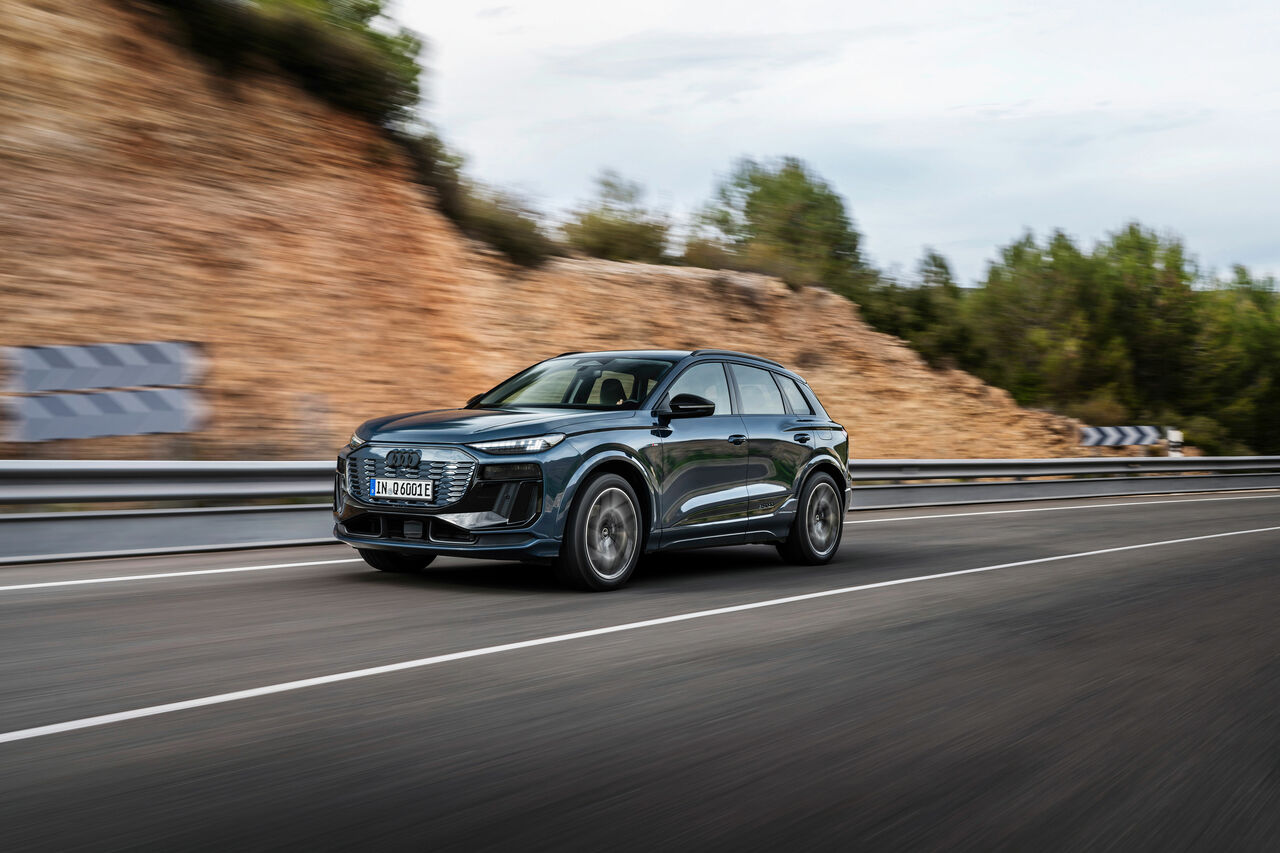


Six Top Safety Pick+ awards. More than BMW. More than Mercedes-Benz. More than any other premium brand in the 2026 IIHS testing cycle. Audi just turned in the kind of safety performance that should have dealers popping champagne — if only they had the customers to celebrate with.
The Insurance Institute for Highway Safety handed its highest honor to the Audi A5, Q5 SUV, Q5 Sportback, A6 Sportback e-tron, Q6 SUV e-tron, and Q6 Sportback e-tron. That’s a clean sweep across both the combustion and electric lineups, a feat neither BMW nor Mercedes-Benz came close to matching.
BMW managed two Top Safety Pick+ nods, for its X3 and X5. Mercedes-Benz didn’t crack the Plus tier at all this year, with models like the GLC and C-Class stumbling over pedestrian crash prevention scores and the persistent habit of reserving key safety tech as optional equipment.
The timing matters. IIHS tightened its criteria for 2026. The moderate overlap front test now demands a Good rating rather than Acceptable for any award consideration, and it also evaluates rear-seat passenger protection, a blind spot manufacturers have ignored for decades.
Front crash prevention systems must now be standard across all trims, not hidden behind option packages. The side impact barrier is heavier. Speed thresholds for automatic emergency braking tests are higher.
Audi passed every test, on every model, at the highest level.
The brand credits its Pre Sense ecosystem — a layered approach combining radar, cameras, and ultrasonic sensors with structural engineering that routes crash energy away from occupants. The system automatically tensions seatbelts, closes windows, and adjusts seat positions in milliseconds when it senses an imminent collision. The electric models on Volkswagen Group’s Premium Platform Electric architecture add regenerative braking capable of bringing the vehicle to a full stop without touching the friction brakes.
All validated by the most rigorous independent safety testing in the world. And all arriving at a moment when fewer Americans are buying Audis.
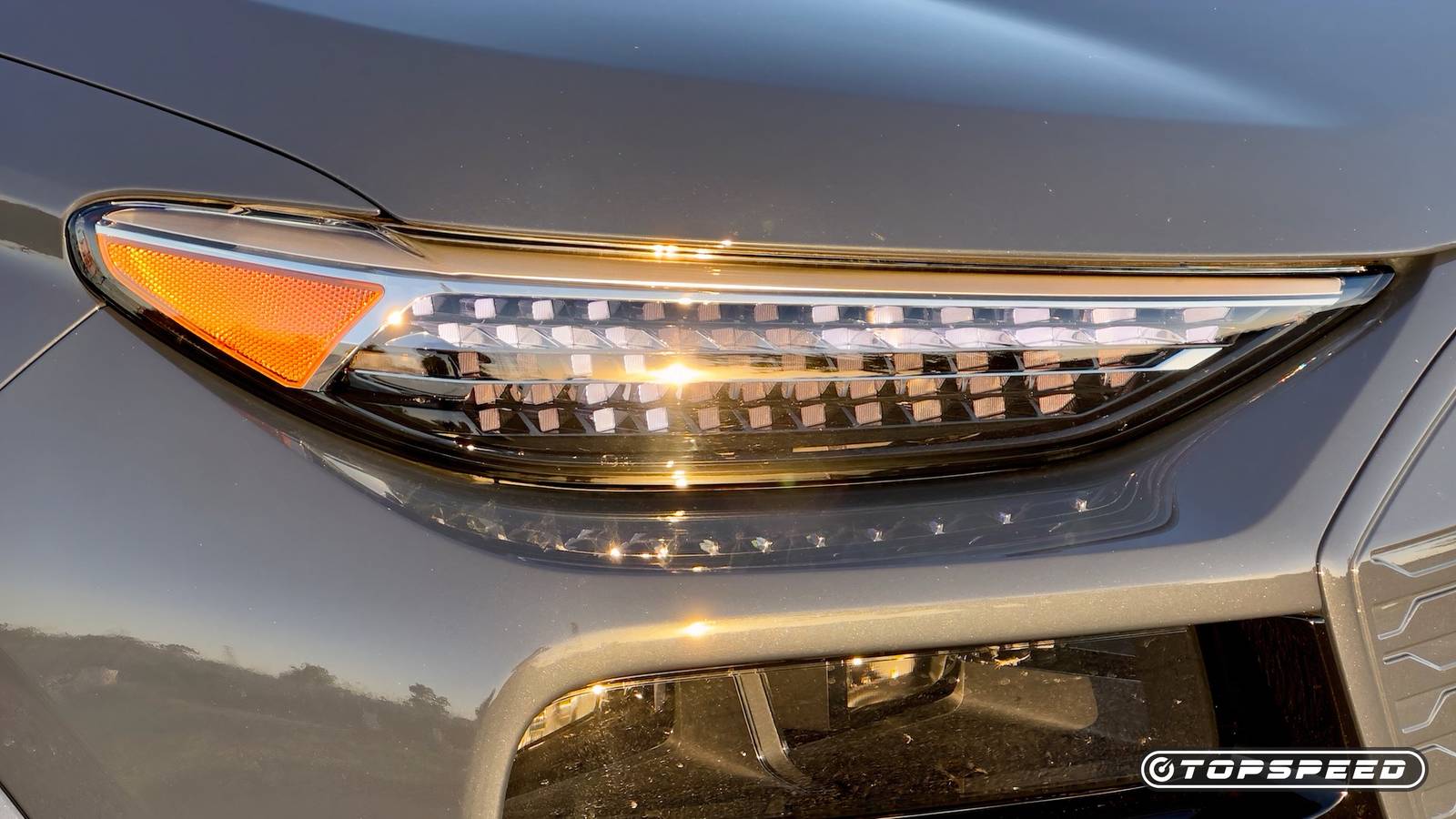
U.S. sales fell 16 percent in 2025, dropping to 164,942 units from a 2023 peak above 228,000. The brand axed the A4 sedan and the original Q8 e-tron to make room for next-generation models, creating the kind of lineup disruption that punishes showroom traffic in the short term. Audi lacks domestic U.S. manufacturing, leaving it exposed to tariff headwinds that BMW and Mercedes partially dodge with their American plants.
Projections suggest another double-digit volume decline this year.
So here sits Audi, building the safest luxury cars money can buy according to the gold-standard testing body, while watching its market share erode. The Q5 still anchors the lineup as the volume leader, but even that stalwart posted double-digit sales contractions. The electric models collecting safety trophies are still ramping up and haven’t yet filled the hole left by departed nameplates.
Safety sells, eventually. Consumers shopping the luxury segment increasingly filter by IIHS ratings, and six Top Safety Pick+ awards give Audi a marketing weapon its German rivals simply cannot match right now. Mercedes not even reaching the Plus tier is a genuine embarrassment for a brand that bills itself as the standard in automotive excellence.
But awards don’t move metal by themselves. Audi has to get these cars in front of buyers, at competitive prices, without tariff surcharges eating into whatever goodwill the safety scores generate. The engineering is clearly there. The commercial execution is the open question.
Building the safest cars in the premium segment is a remarkable achievement. Doing it while your sales chart looks like a downhill ski run is a remarkable contradiction.

Share this Story