
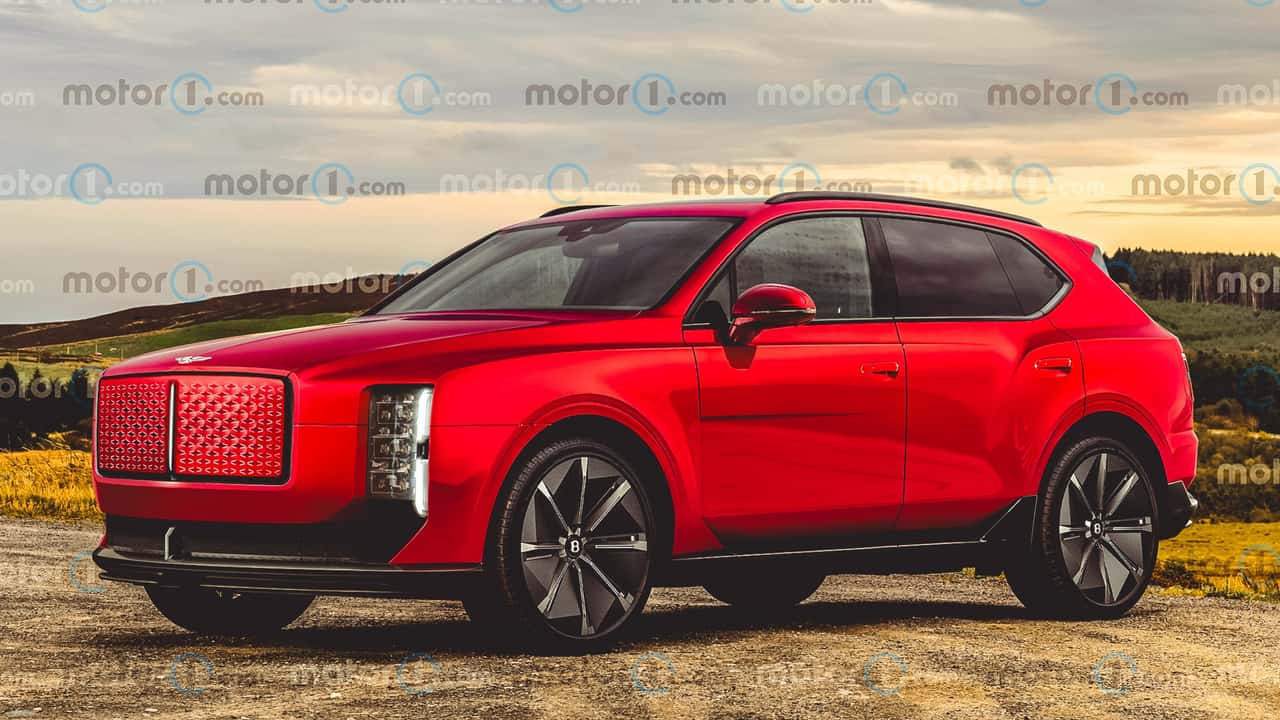


Bentley just cliniced a smaller electric SUV with potential buyers in Miami and Los Angeles over the past six weeks. Eight out of ten said they’d buy it. That’s a remarkable number for a brand that has never sold a single battery-electric vehicle and whose customers have historically gravitated toward twelve-cylinder engines and the kind of torque that comes from burning premium fuel by the gallon.
But here’s the twist: Bentley has no intention of telling anyone it’s an EV.
Mike Rocco, CEO of Bentley North America, laid out the strategy in plain terms. When we come to market with the car, we’re not going to market it as a BEV,” he said. “We’re going to market it as the next Bentley or the new Bentley. People will know what it is, obviously. But the focus will not be around the BEV.”
That’s a fascinating admission. It tells you exactly where electrification sits in the luxury buyer’s mind right now — useful if invisible, toxic if it leads the conversation. Bentley isn’t hiding the powertrain. It’s just refusing to let three letters define the car.
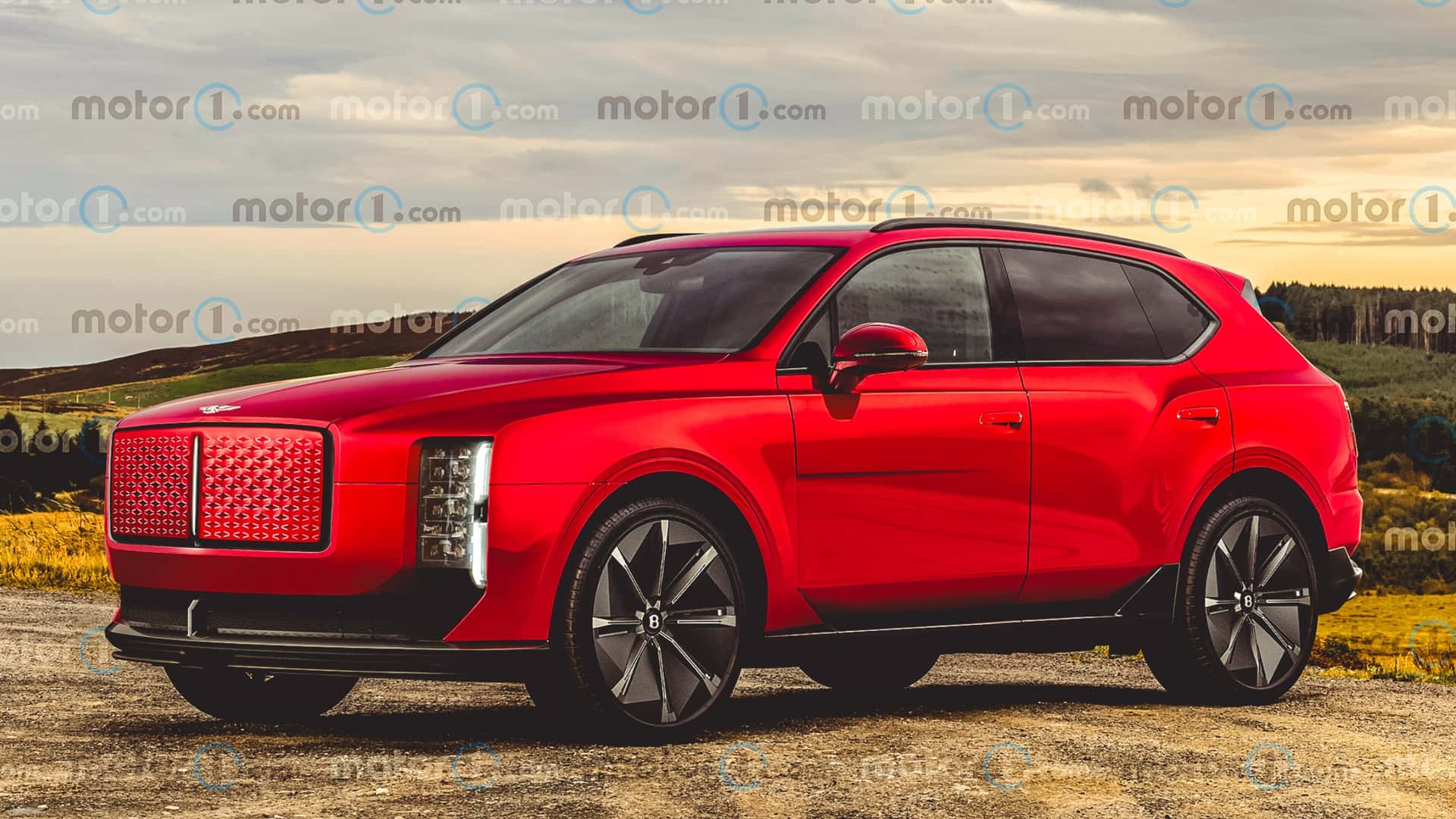
The vehicle itself is being described internally as an “urban SUV,” smaller than the Bentayga, with a boxier, chunkier exterior. Think less grand tourer, more upscale city tank. Rocco said the interior space will rival what Bentley customers already expect, despite the reduced footprint. Size-wise, it likely slots somewhere around a BMW X5, possibly smaller.
That boxy design language is a deliberate departure. Nothing in Bentley’s current stable looks remotely angular. But the brand is reading the room — chunky, squared-off SUVs are surging across the luxury segment, from the Defender to the G-Class to the upcoming electric Range Rover. Bentley apparently wants a piece of that aesthetic.
The timing matters. Federal EV incentives in the United States are being rolled back. Consumer sentiment toward electrification has cooled in the mass market. Yet Bentley’s clinic results suggest the rules are different when you’re selling to people who don’t check the price of electricity — or gasoline, for that matter.
An 80 percent positive response isn’t enthusiasm for EVs broadly. It’s enthusiasm for a specific product from a specific brand, aimed at people who want something new and don’t need to justify the purchase to anyone.
Bentley has been profitable for seven straight years, a streak built entirely on combustion and hybrid models. The Bentayga has been the volume driver, and this smaller SUV is clearly designed to expand that success downward without diluting the brand. If the math works — compelling design, genuine Bentley interior, and an electric powertrain with enough range and power to feel effortless — the company could unlock a customer base it has never reached.
There’s no launch date yet. No price. No official name, though reports suggest one may already exist internally. What we do know is the car has been designed, built to clinic-ready form, and put in front of real buyers in two of the most important luxury markets in the country.
The quiet part is loud: Bentley believes the electric powertrain is ready. It just doesn’t believe the word “electric” sells cars to its customers. So it will sell them a Bentley instead and let the silence of the motor speak for itself.
That’s not cowardice. That’s a brand with enough self-awareness to understand that its customers buy a crest, not a chemistry set. Whether the broader industry takes the same lesson — stop selling the technology, start selling the car — remains to be seen. Bentley, at least, seems to have figured out the assignment.
Share this Story