


The Insurance Institute for Highway Safety dropped its 2026 Top Safety Pick list on Monday, and the results reveal a widening gap between automakers who are investing in occupant protection and those content to coast.
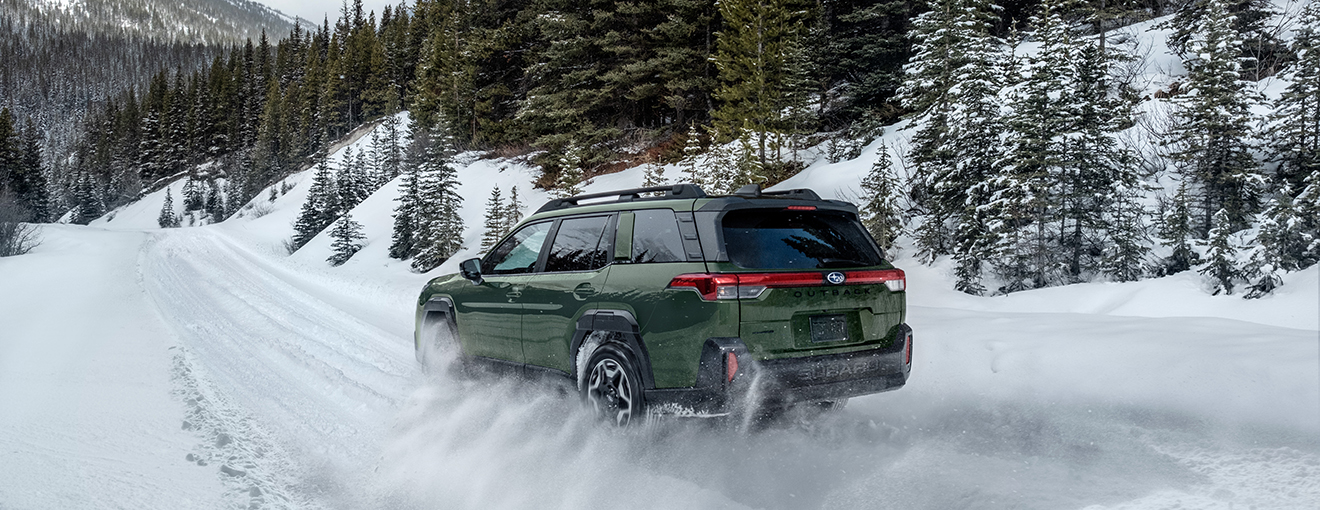
Subaru grabbed three TSP+ awards for the Forester, Ascent, and Outback. That’s 78 TSP+ awards since 2013 for a company that doesn’t sell a single sports car or full-size truck. The Forester alone has held the top safety nod for 20 consecutive years, a streak no other nameplate in any segment can match.
But the real story isn’t Subaru’s trophy case. It’s the testing regime that produced it.
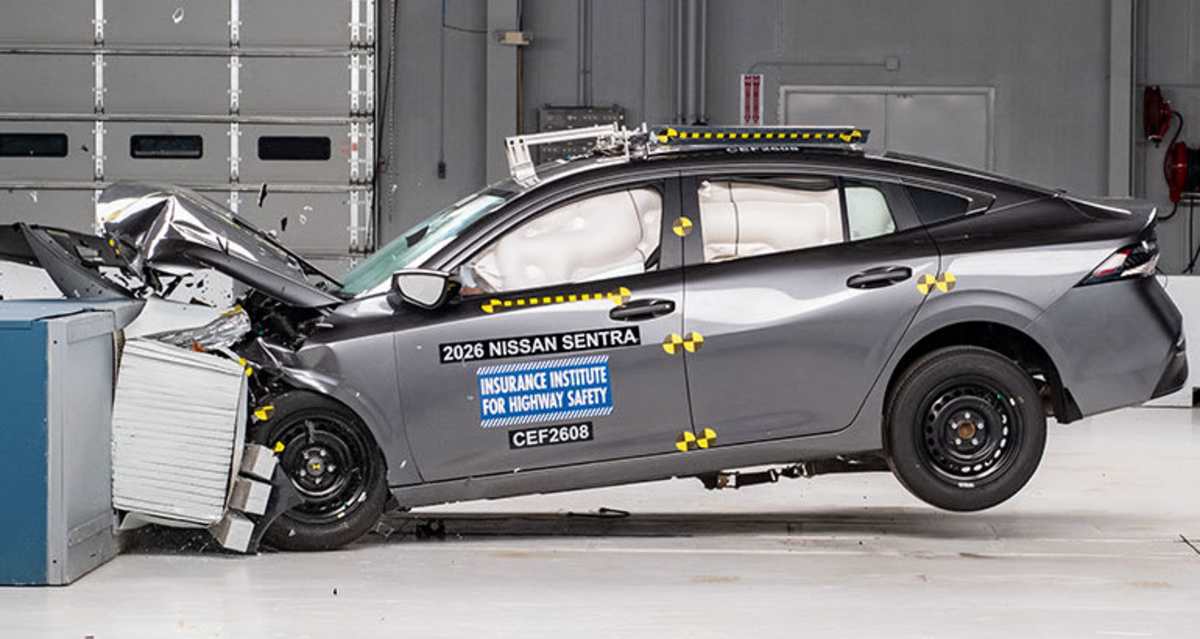
For 2026, IIHS tightened the criteria substantially. The updated moderate-overlap front crash test now places a rear-seat dummy behind the driver, directly measuring how well a vehicle protects backseat passengers. Vehicles must score “Good” in that test just to qualify for either award tier.
The TSP+ bar is higher still, requiring top marks in pedestrian crash prevention and a new vehicle-to-vehicle evaluation that factors in collisions with motorcycles and semi-trailers at higher speeds.
Those upgrades kicked every minivan off the list. Not one qualified, a fact IIHS President David Harkey called “disappointing” given that minivans are marketed explicitly as family vehicles. If your seven-seater can’t protect the people in row two, the brochure copy about soccer practice rings a little hollow.
The full roster of winners skews heavily toward Korean, Japanese, and German brands. Hyundai and its Genesis luxury arm collected a staggering number of TSP+ awards across the Ioniq 5, Ioniq 9, Tucson, Kona, Santa Fe, GV60, GV70, GV80, Sonata, and G80. Mazda placed six models, while Honda landed the HR-V and Passport at TSP+ and the Civic and Accord settled for the lower TSP tier.
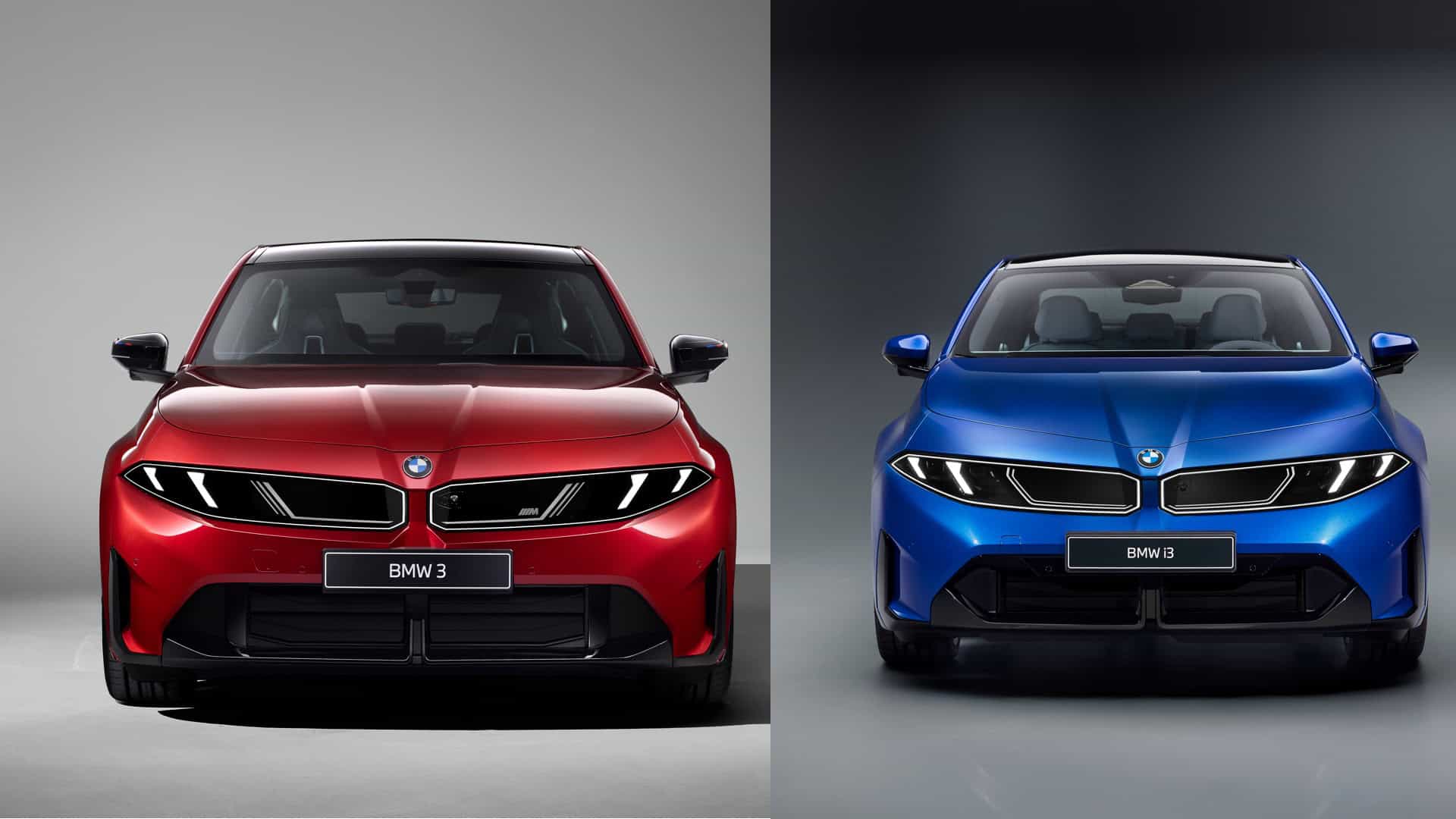
BMW’s X3 and X5 both earned TSP+, and Audi placed five nameplates.
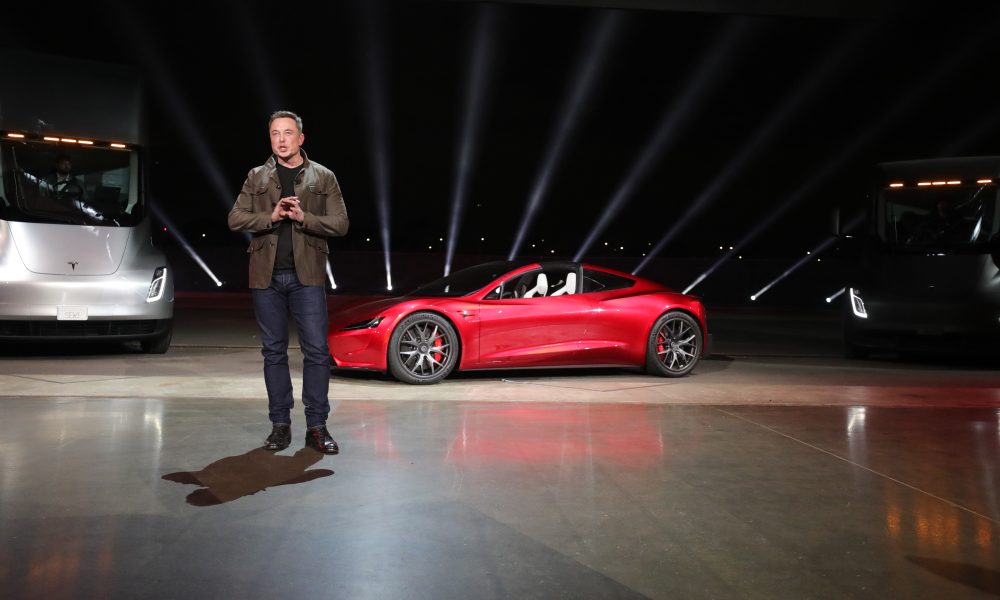
Then there are the surprises. The Tesla Cybertruck earned TSP+, a result that will irritate its critics and validate the truck’s structural engineering regardless of what anyone thinks of its styling. The Rivian R1S also earned TSP+ in the large SUV class. Toyota’s Tundra crew cab pulled a split decision, with some configurations earning TSP and others TSP+.
Domestic brands were mostly quiet. Ford managed TSP for the Explorer and Mustang Mach-E. Buick’s Enclave scraped into TSP territory. No Chevrolet. No Ram. No Jeep.
Consumer Reports safety manager Emily Thomas pointed out another uncomfortable truth: even some TSP+ winners gate proven safety technology behind higher trim levels. The Kia K4, the cheapest vehicle on the list at $22,290, requires buyers to step up to the $23,390 LXS trim for blind spot monitoring. “Buyers shouldn’t have to pay extra for proven safety features,” Thomas said. “Safety should be standard.”
She’s right, and the IIHS knows it. For 2026, standard automatic emergency braking is now a requirement for any award. That simple mandate will do more to protect real people in real crashes than a dozen press releases about award counts.
The pattern emerging from this year’s list is unmistakable. The brands pouring engineering resources into crash structures, rear-seat protection, and pedestrian detection are pulling away from those that aren’t. IIHS keeps raising the bar. Some automakers keep clearing it. Others are starting to limbo underneath.
Share this Story