



General Motors gave the Chevy Bolt EV an 18-month lifeline when it announced the $28,995 electric car would return for 2027. Now, the engineer running the program says that clock doesn’t necessarily have to expire on schedule.
Mandi Damman, the Bolt EV’s executive chief engineer, told The Drive that relocating the production line again — the same trick GM pulled to resurrect it in the first place — is theoretically possible. In theory, yes,” Damman said when asked whether the assembly equipment could be moved and parts stockpiled a second time to keep the car alive beyond its planned Kansas production window. She stopped short of saying it would happen.
The backstory here is a case study in corporate whiplash. GM killed the original Bolt to clear its Orion Township, Michigan plant for electric Silverado and Sierra pickups. That transition stumbled badly, with production difficulties and sluggish sales once the trucks finally arrived.
Meanwhile, GM had quietly begun squirreling away parts and prototypes for a reborn Bolt at a Kansas plant with excess capacity. Now Kansas faces the same fate Michigan did. GM says it will need that floor space for other vehicles, which is why the Bolt’s second life was framed as a temporary arrangement from the start.
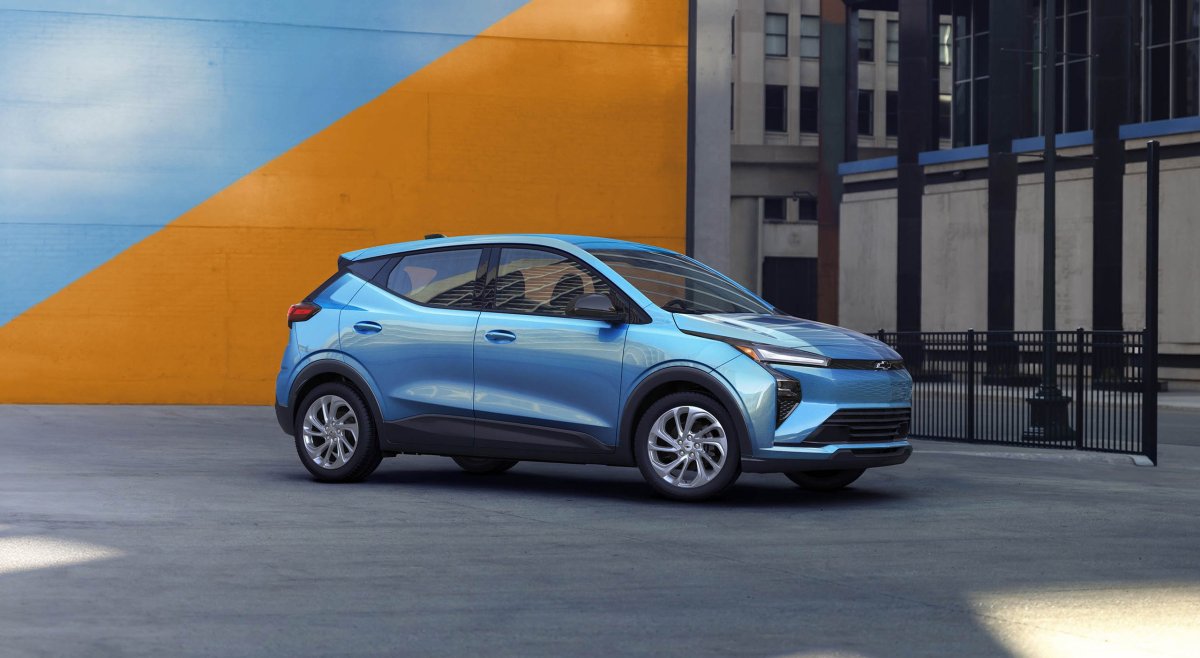
But Damman pointed to two factors that drove the resurrection and aren’t going away anytime soon: the Bolt’s price point and its fanatical owner loyalty, which she said exceeds even that of Corvette buyers. That’s a remarkable claim from inside GM, where the Corvette has been sacred ground for seven decades.
At $28,995 including destination, the Bolt undercuts every EV sold in America, edging out even the Nissan Leaf. In a market where the average new car transaction price hovers near $49,000 and affordable options are vanishing from showrooms, that number carries serious weight. Customers are shopping on value now, and nobody in the electric space is offering more of it than the Bolt.
GM has a strange habit of building things people love and then killing them for strategic reasons that age poorly. The first Bolt cancellation was supposed to clear the runway for an electric truck revolution that arrived late and landed soft. Betting against a $29,000 EV with Corvette-level loyalty to make room for $80,000 pickups in a cooling truck market was always a gamble.
The fact that GM reversed course suggests someone inside the building knows it. The question is whether GM will act on what it already knows twice.
Damman’s careful phrasing — acknowledging the possibility without committing to it — is classic GM. The company doesn’t like to box itself in, particularly when plant allocation decisions involve union negotiations, capital expenditure approvals, and product portfolio politics that stretch years into the future.
But the math is simple. The Bolt is the cheapest EV in America. Its owners are more devoted than those of GM’s flagship sports car. And the company has already proven it can move the production line when it wants to.
The only thing standing between the Bolt and a longer life is whether GM has the institutional will to stop killing its own best ideas. Eighteen months will go fast. The parts pipeline, supplier contracts, and plant negotiations required to extend production won’t happen by accident.
If GM is serious, the planning needs to start now — not after the last Bolt rolls off the line in Kansas and everyone wonders why they let it happen again.


Share this Story