
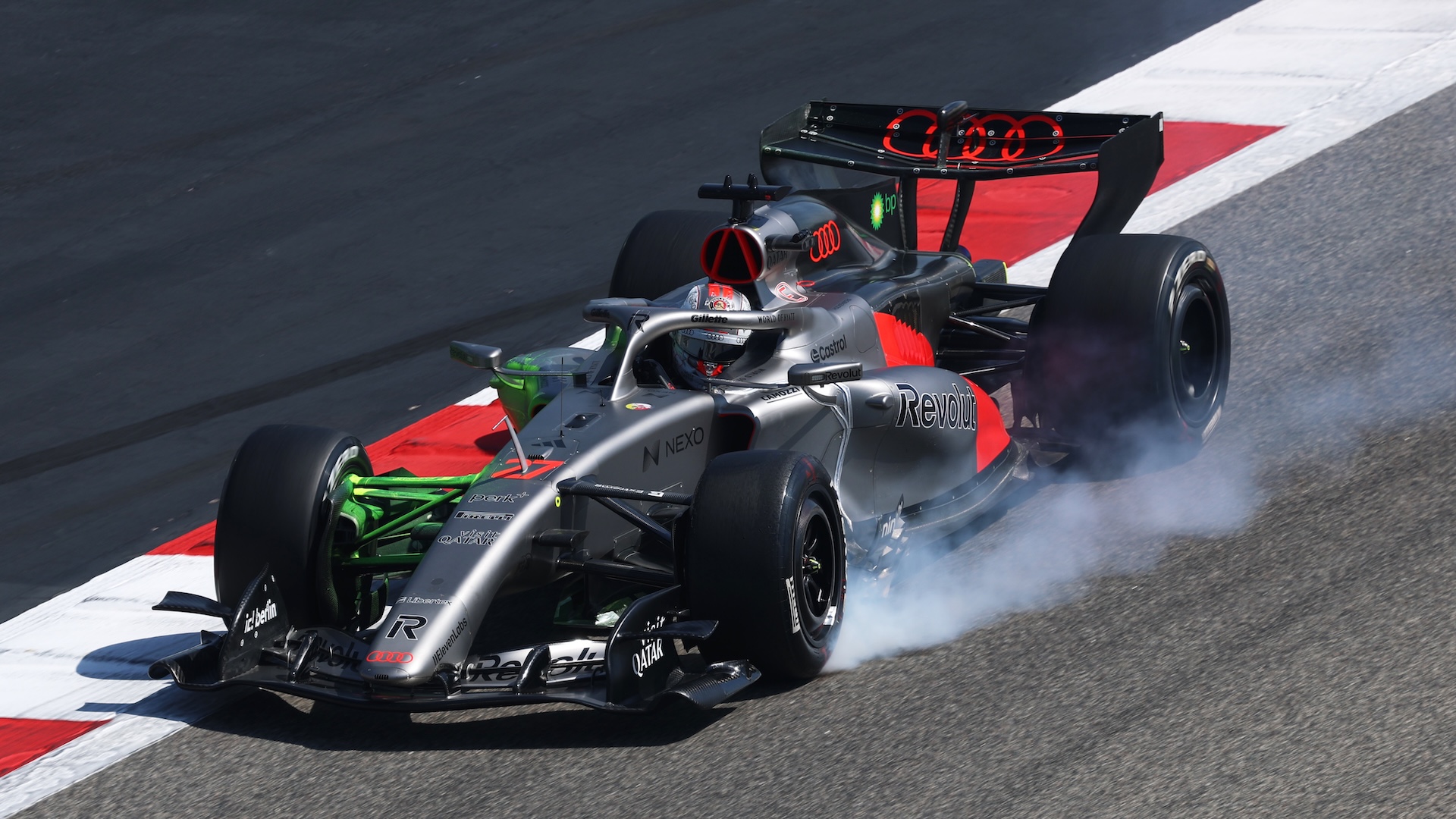


Every car on the 2026 Formula 1 grid runs Brembo Group hardware at each corner. That monopoly isn’t new. What is new is the sheer scale of what Brembo had to re-engineer before a single car turned a wheel in anger at Albert Park.
The 2026 technical regulations represent the deepest reset the sport has seen in three decades. Active aerodynamics, slashed weight targets, and an electrical system that triples energy recovery have rewritten the physics of slowing down. Brakes aren’t just stopping devices anymore — they’re the intersection of mechanical grip, software logic, and hybrid energy strategy, and Brembo had to redesign nearly everything to make it work.
Start with the calipers. For years, six pistons and two pads were the standard front configuration. Now teams can run eight pistons and four pads, gaining more even pressure distribution and higher initial clamping torque.
The trade-off is mechanical complexity and additional fixing points — three instead of two. Yet somehow the new calipers shed half a kilogram each. In a sport where grams are currency, that’s real money.
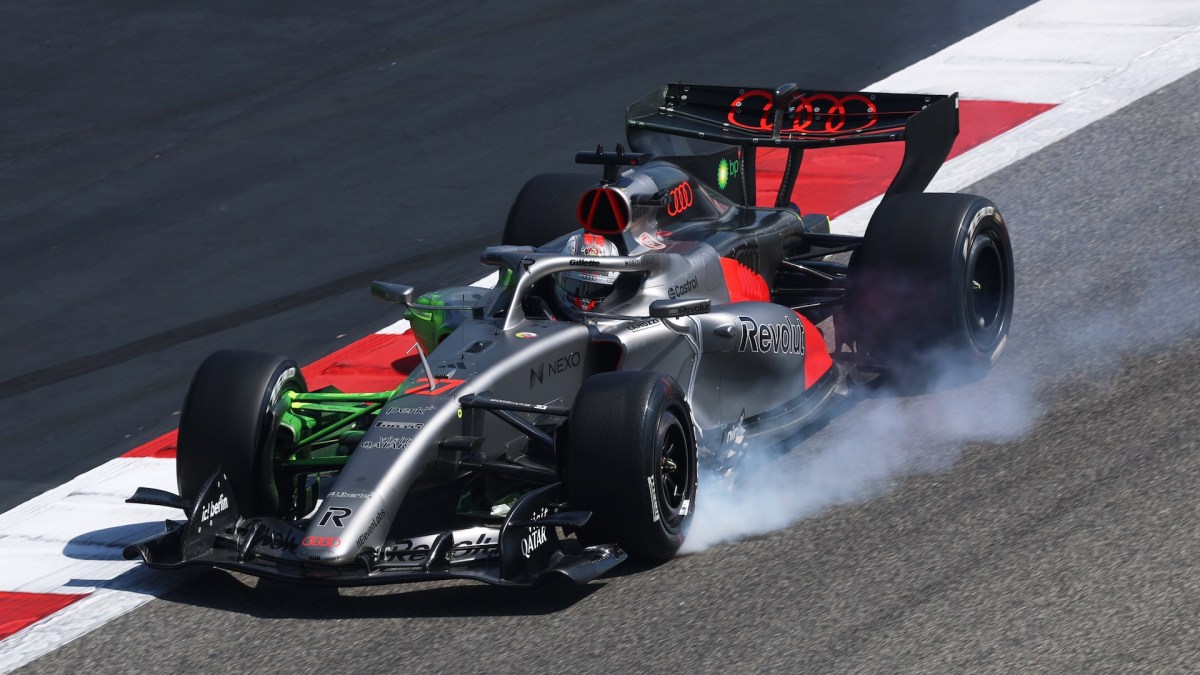
Discs got reworked too. Diameter climbed from 328mm to as much as 345mm, thickness went from 32mm to 34mm, and the ventilation hole count jumped from 1,050 to 1,440 — smaller holes, tighter pattern, better cooling. Each disc now weighs about 4.4 pounds, up from 3.85. These aren’t cosmetic tweaks; they reflect a fundamental change in how heat and energy flow through the braking system.
The real complication lives at the rear axle. The 2026 power units harvest far more electrical energy under braking than before, meaning the rear friction brakes do less clamping work during deceleration. The car slows partly through drivetrain drag rather than squeezing rotors.
That sounds simpler. It isn’t. The braking phase gets longer and more software-dependent, and carbon materials must stay stable through extended thermal cycles that look nothing like what teams dealt with last year.
Andrea Algeri, who runs Brembo’s racing operations, told The Drive that each team’s integration is bespoke — different caliper configurations, different disc specs, different software calibrations for the redesigned brake-by-wire unit. No two setups are alike because no two teams agree on where to push and where to play safe. “Teams are always looking for an edge, and we have to work with them to get what they want, but there is always a compromise,” Algeri said.
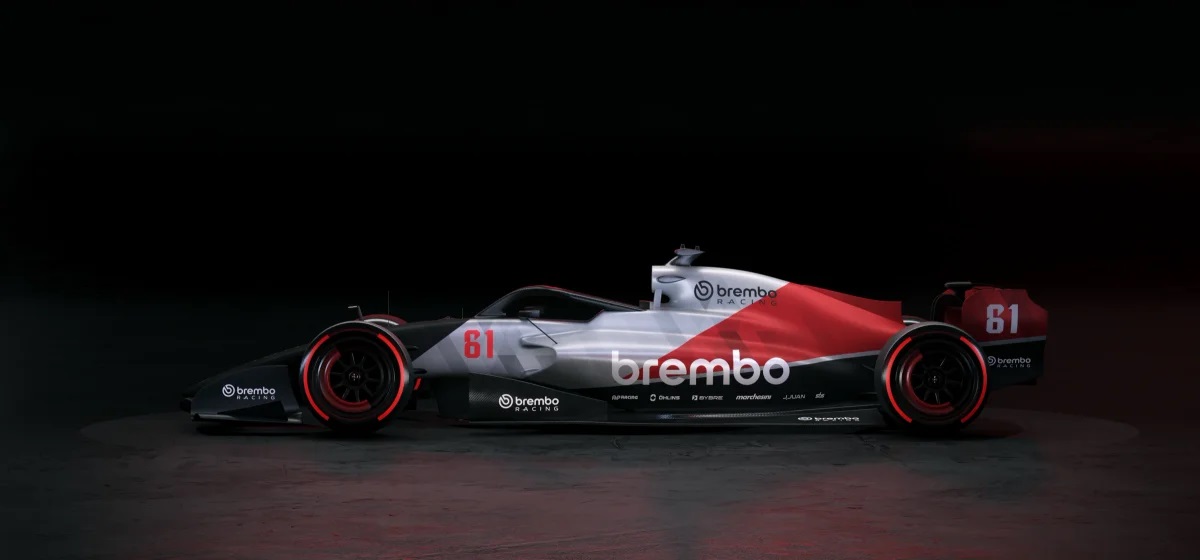
That compromise extends across the entire Brembo Group portfolio. AP Racing supplies clutches and brake-clutch systems to eight of 11 teams. Öhlins, absorbed into the group in 2025, provides dampers to five teams — critical hardware when active aero means the car’s downforce profile shifts constantly through a lap.
A telling anecdote surfaced during Algeri’s conversation with journalist Jerry Perez. Former world champion Jenson Button once struggled to master his Acura GTP prototype because the software managing rear-axle braking and energy recovery didn’t match his inputs. Button had to learn the system’s logic before he could trust it.
The 2026 F1 cars face an analogous challenge at a far higher level of complexity. Adjustable regenerative braking levels and self-learning rear-axle management software may functionally approximate traction control under deceleration — a loaded concept in a series that has banned TC for nearly two decades.
Some teams have gambled on aggressive eight-piston configurations from the opening round. Others are running conservative six-piston setups, banking on development headroom later in the season. Brake performance — not just engine power or aero efficiency — could quietly determine which cars lead and which ones struggle to find pace.
The brakes don’t make the highlight reels. They never do. But in a year when the entire car has been reinvented, Brembo’s hardware and software sit at the exact point where driver feel, energy strategy, and tire performance converge. Get the brakes wrong and nothing else matters.


Share this Story