
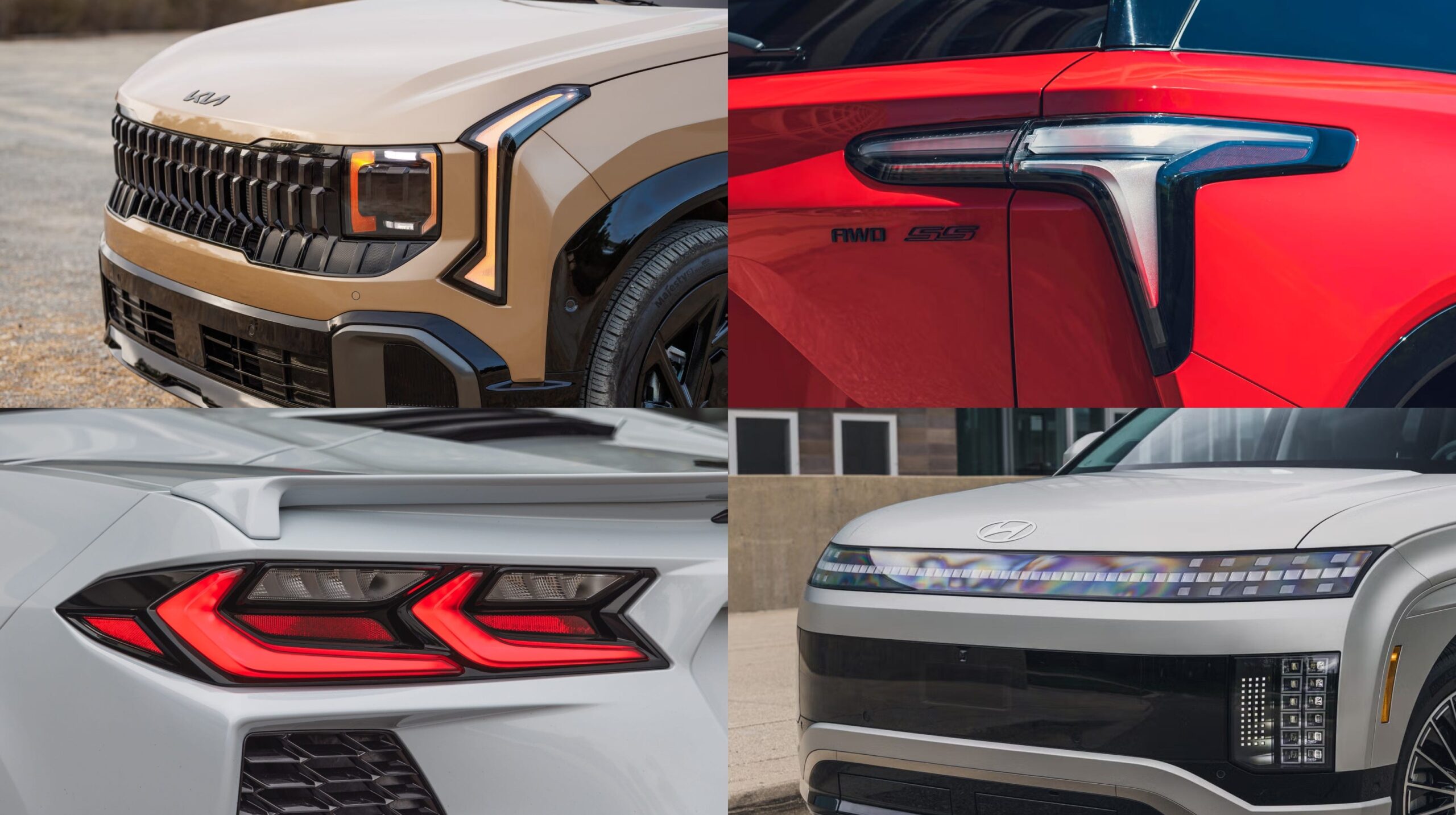


Kia sold 236,659 vehicles in the third quarter of 2026, a record. Hyundai posted its best Q3 ever. Both brands are riding high on SUVs and sedans that Americans keep buying in enormous volumes, and both are watching their electric vehicle lineups collapse in almost equal proportion.
The Kia EV6 fell 57 percent in Q3. The EV9 dropped 28 percent. Hyundai’s Ioniq 5 cratered 53 percent, and the three-row Ioniq 9 shed 47 percent. Genesis, Hyundai’s luxury arm, managed to sell just 234 Electrified GV70s through the first nine months of the entire year, an 87 percent nosedive.
These are not minor corrections. They are free falls happening inside companies that are otherwise thriving.
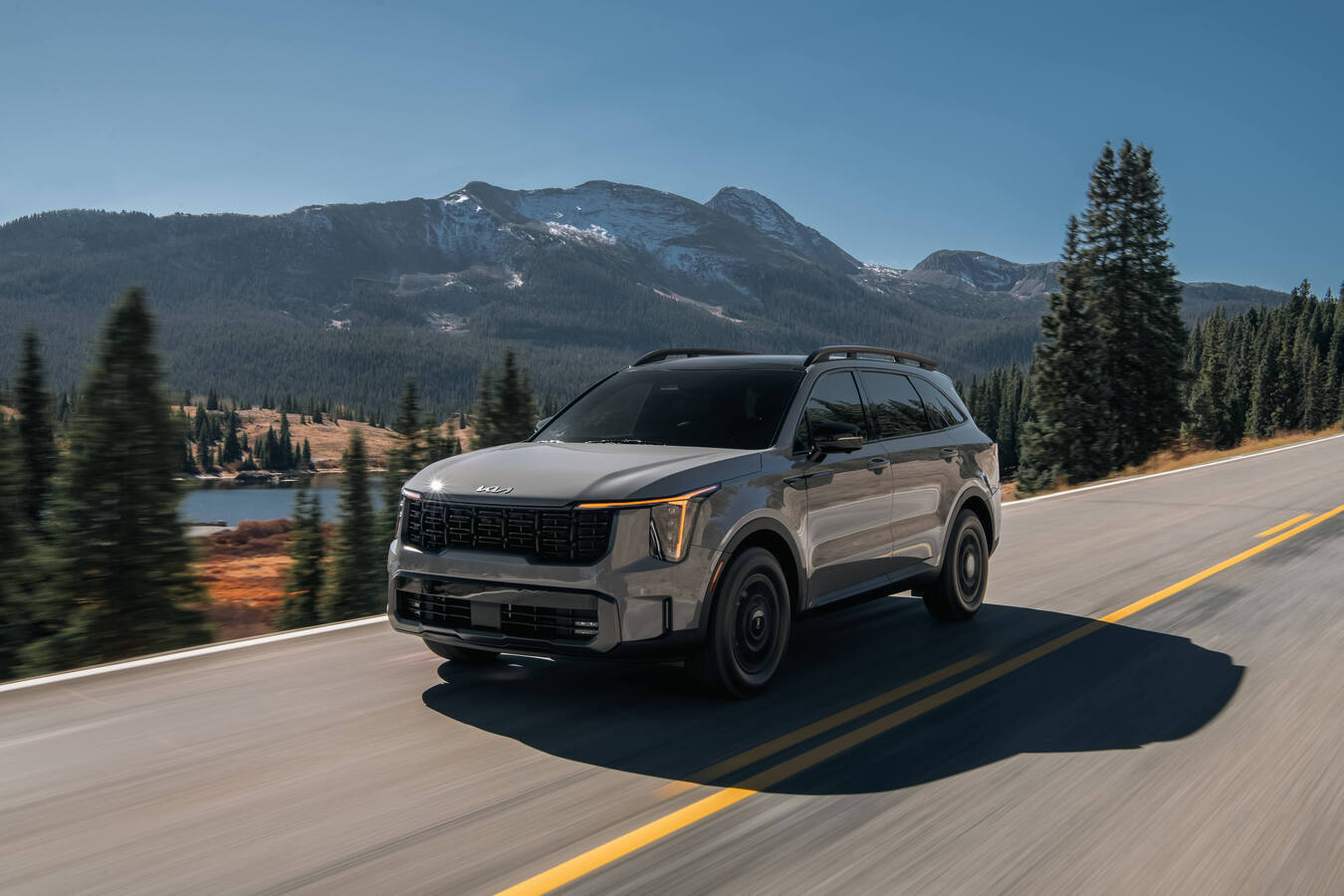
Kia’s redesigned Seltos jumped 70 percent. The Sorento climbed 21 percent. The Tucson carried Hyundai with a 23 percent gain to over 64,000 units. Even Hyundai’s sedans surged, with the Sonata up 34 percent. Combustion is paying the bills.
The EV bloodbath extends well beyond Korea. Chevrolet’s Equinox EV, once positioned as the affordable electric crossover that would change GM’s trajectory, plummeted 92 percent in Q3 to a paltry 1,905 units. The Blazer EV fell 84 percent and the Silverado EV dropped 58 percent. Chevy’s revived Bolt has moved just 8,090 units all year. For context, Chevy sold more Corvettes in Q3 alone than Equinox EVs.
Cadillac’s situation is arguably worse. The Lyriq, GM’s flagship luxury EV, fell 51 percent. The Vistiq dropped 34 percent and the $130,000 Escalade IQ slid 29 percent. The brand as a whole is down 25 percent on the year, and even the gas Escalade declined 15 percent.
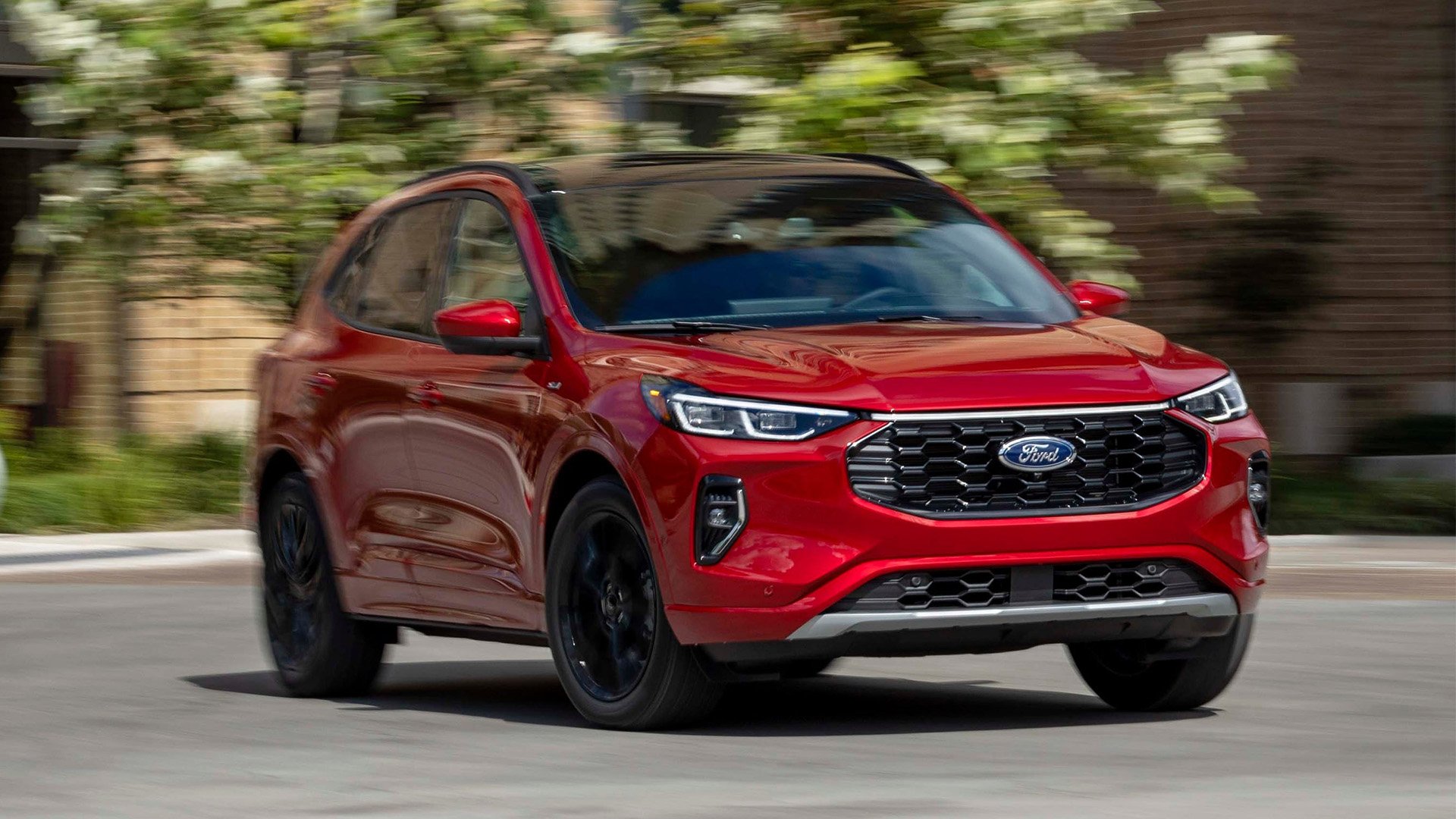
Ford’s lone EV, the Mustang Mach-E, tumbled 72 percent in Q3 to 5,574 units. Ford overall fell 6 percent, weighed down further by the Escape’s discontinuation and a slight F-150 dip.
Jeep is gasping. Sales dropped 20 percent in Q3, with the Compass off 62 percent and the Grand Cherokee falling 30 percent. The electric Wagoneer S sold 146 units total in three months.
Ram is the lone Stellantis bright spot. The light-duty 1500 surged 73 percent in Q3, crossing 200,000 units for the year. That truck is essentially subsidizing the rest of the company’s American operations.
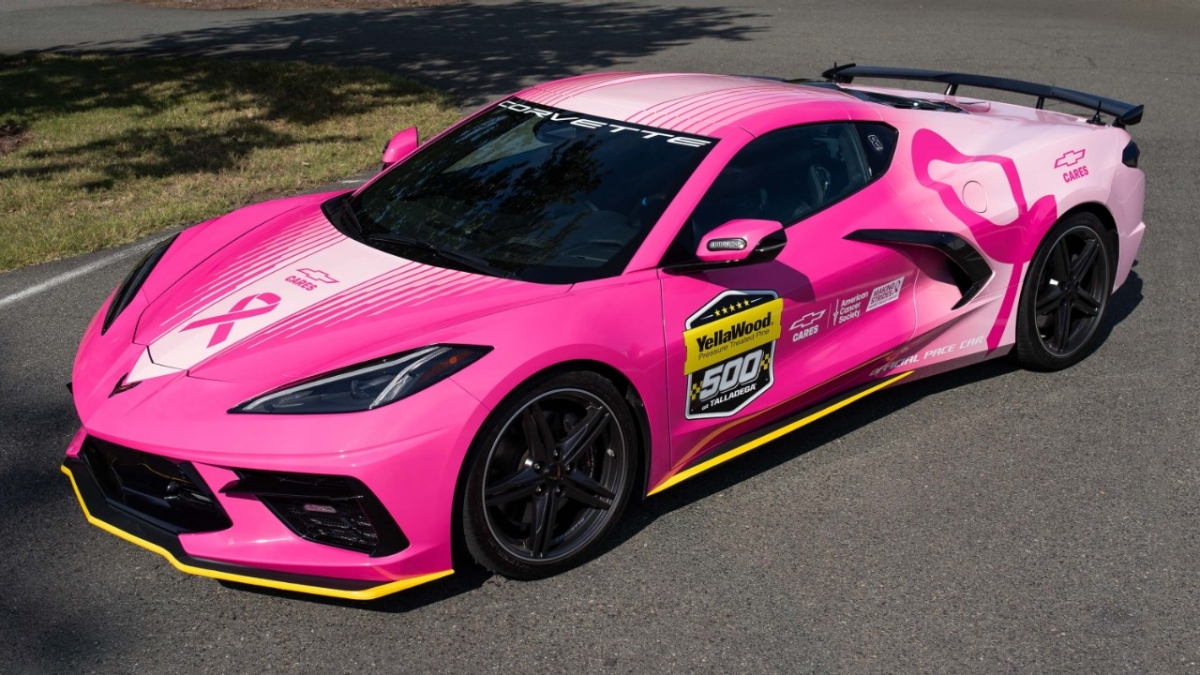
BMW’s outgoing 3 Series jumped 46 percent in Q3, proving that a well-executed combustion sedan still finds buyers even at the end of its lifecycle. The Corvette posted 6,585 sales, up 29 percent, one of the few highlights in a Chevy lineup that fell 5 percent overall.
The pattern is stark. Every automaker that posted strong overall numbers did it on the backs of gas-powered trucks, SUVs, and sedans. Every automaker that leaned into EVs got punished.
The market is speaking with brutal clarity. The vehicles manufacturers have spent billions developing are not the vehicles customers are walking into dealerships to buy.
Tariffs, rising interest rates, and the rollback of federal EV incentives have all played their part. But at some point, the sheer scale of these declines stops looking like a policy problem and starts looking like a demand problem. Automakers committed massive capital to an electrification timeline that consumers never agreed to.
Q4 will bring holiday incentives, year-end clearance events, and desperate dealer lots stacked with electric inventory. Whether any of that moves the needle remains an open question heading into 2027 planning season.

Share this Story