


The Renault-Geely joint venture in Brazil just got another 2 billion reais, roughly $389 million, pumped into its operations. The announcement on Sept. 15 brings total investment in the partnership to 5.8 billion reais since it launched in 2025. That is not pocket change for a market most global automakers have historically treated as an afterthought.
The fresh capital funds a new electrified Renault model built on Geely’s GEA platform, slated for 2027. GEA, Geely’s Global Intelligent Electric Architecture, is the Chinese automaker’s answer to the platform wars that define the modern auto industry. Deploying it in Brazil rather than reserving it for higher-margin markets in Europe or Asia tells you where Geely sees growth.
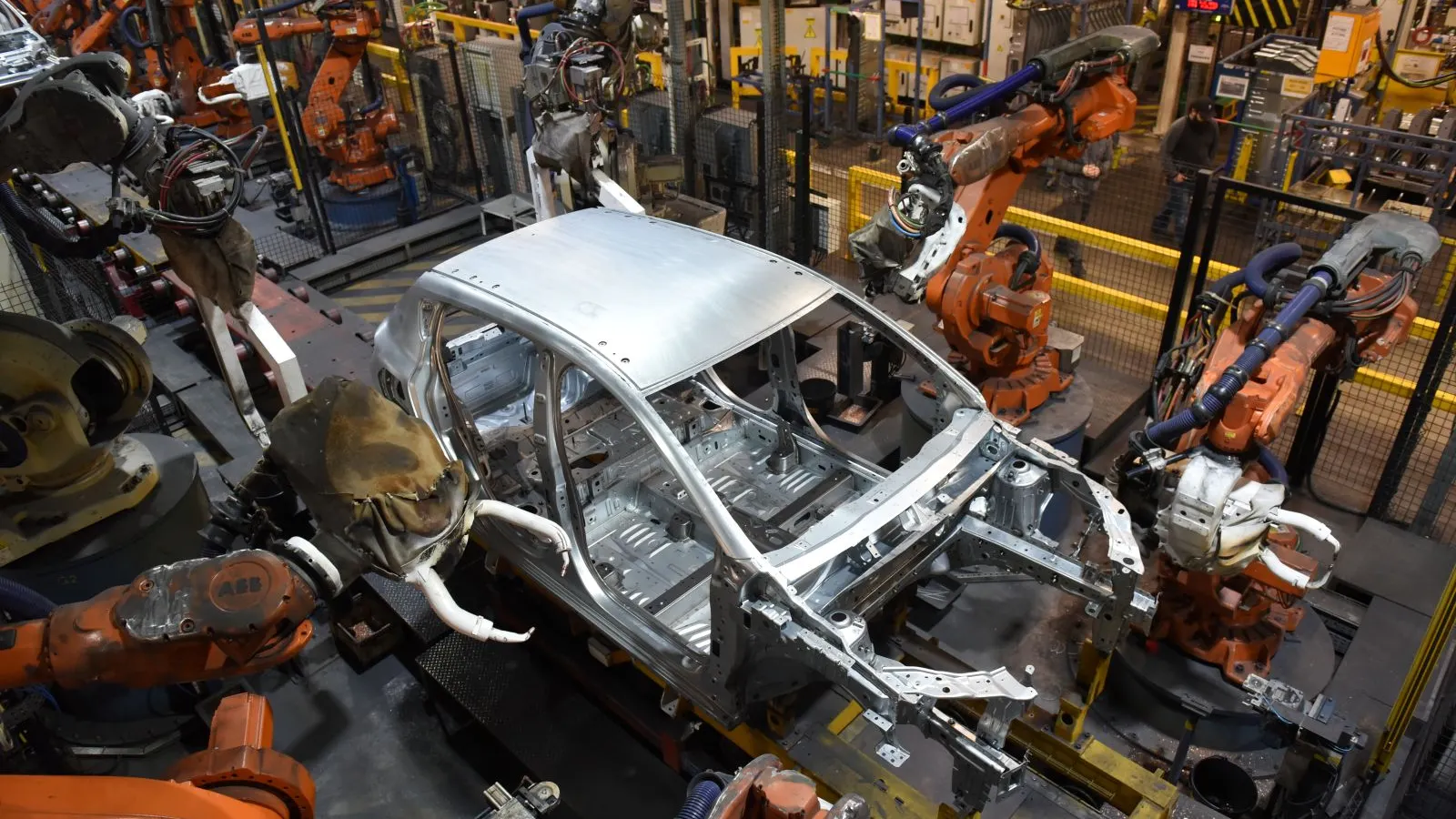
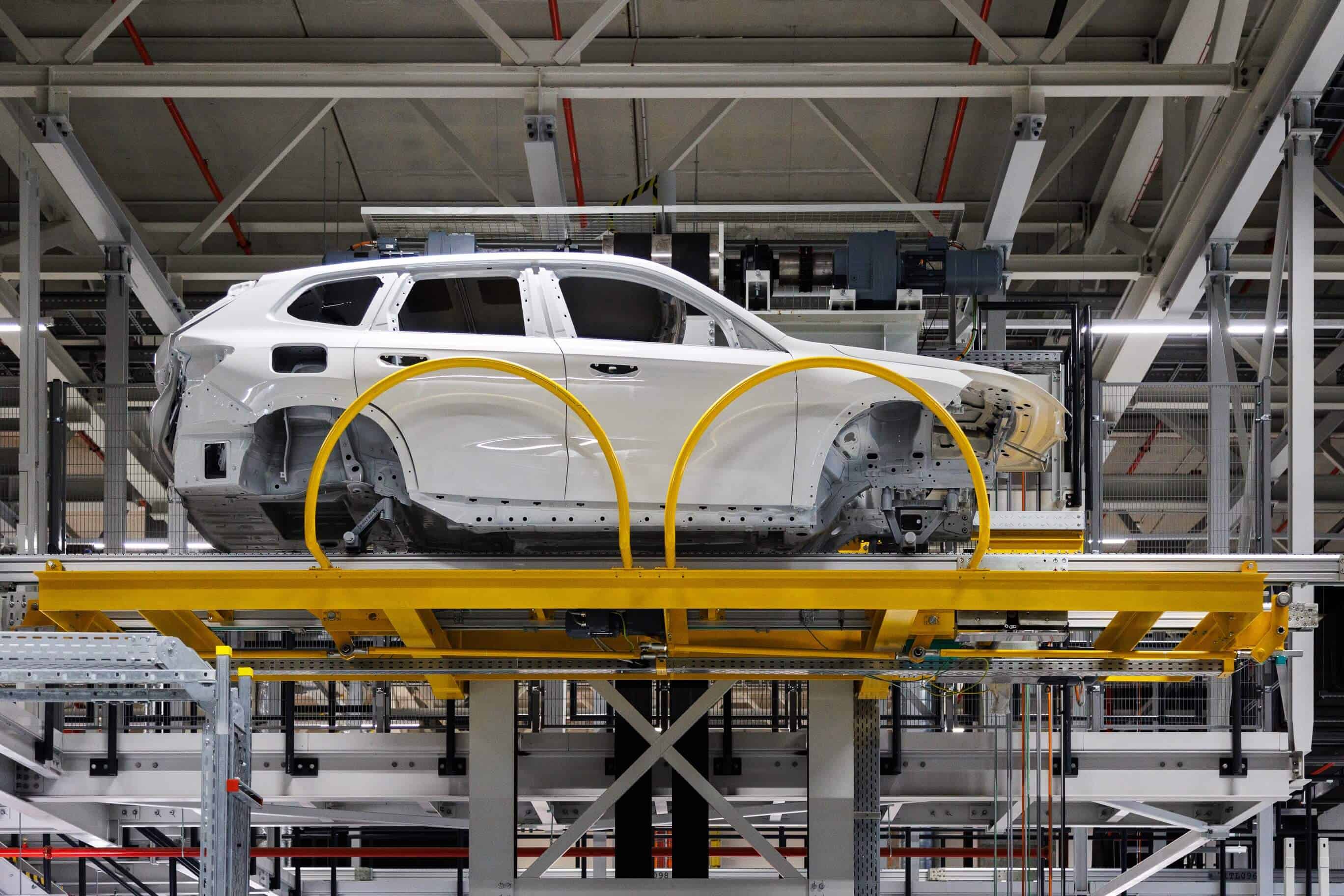
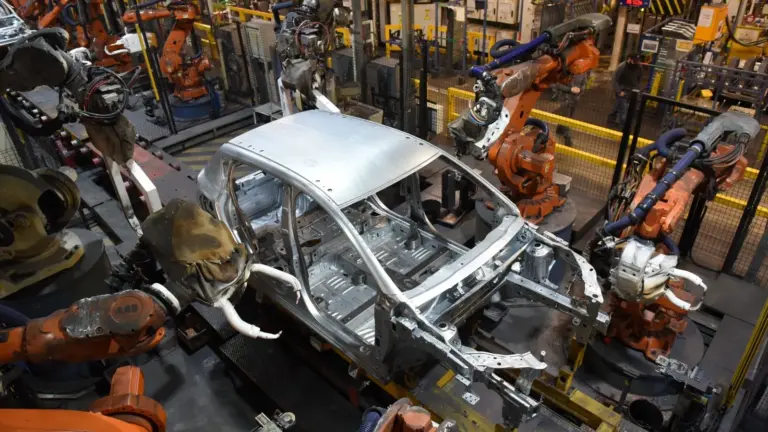
Geely’s own EX2 electric hatchback will roll off the same assembly line at the Ayrton Senna Industrial Complex in São José dos Pinhais, Paraná, starting this December. That plant was upgraded earlier this year to handle internal combustion, hybrid, hybrid-flex, and full electric production. A single facility covering nearly every powertrain type is a hedge against the unpredictable pace of electrification in emerging markets.
Fabrice Cambolive, Renault Brand CEO and board chairman of the joint venture, called it a “win-win partnership” focused on “electrified, competitive and affordable vehicles, made for Brazilian customers.” Affordable is the operative word in a country where the average new car price still squeezes middle-class buyers.
The companies also confirmed that Renault’s Hybrid E-Tech 4×4 with flex fuel biofuel capability will enter production in Brazil in 2027. Flex fuel is not optional in this market. It is the price of admission.
Brazil’s longstanding ethanol infrastructure means any automaker serious about volume has to accommodate biofuel. Renault wrapping that into a hybrid powertrain shows the kind of localization that previous European entrants often botched.
Victor Yang, senior vice president of Geely Holding Group, framed Brazil as “a highly strategic market in our global presence” and said the accumulated investments demonstrate “absolute commitment” to leading Latin America’s energy transition. That is corporate speak, but the money behind it is real.
The partnership’s logic is straightforward. Renault gets access to Geely’s electric architecture and manufacturing efficiency. Geely gets Renault’s brand recognition and dealer network in a Latin American market where Chinese nameplates still carry limited consumer trust.
Five years ago, the idea of Geely co-owning a major Brazilian assembly plant would have drawn blank stares in Detroit or Wolfsburg. Now it is simply how the industry works. Chinese technology underpinning European brands, assembled in South America, designed for flex fuel and electrification at the same time.
Brazil produced roughly 2.5 million vehicles in 2024 and remains the largest auto market in Latin America. The question is whether this joint venture can capture meaningful share from entrenched players like Fiat, Volkswagen, and Toyota, all of whom have deep roots in the country and their own electrification roadmaps.
Renault and Geely are betting nearly $1.1 billion total that they can. Production of the Geely EX2 begins in three months, and the real scorecard starts then.
Share this Story