
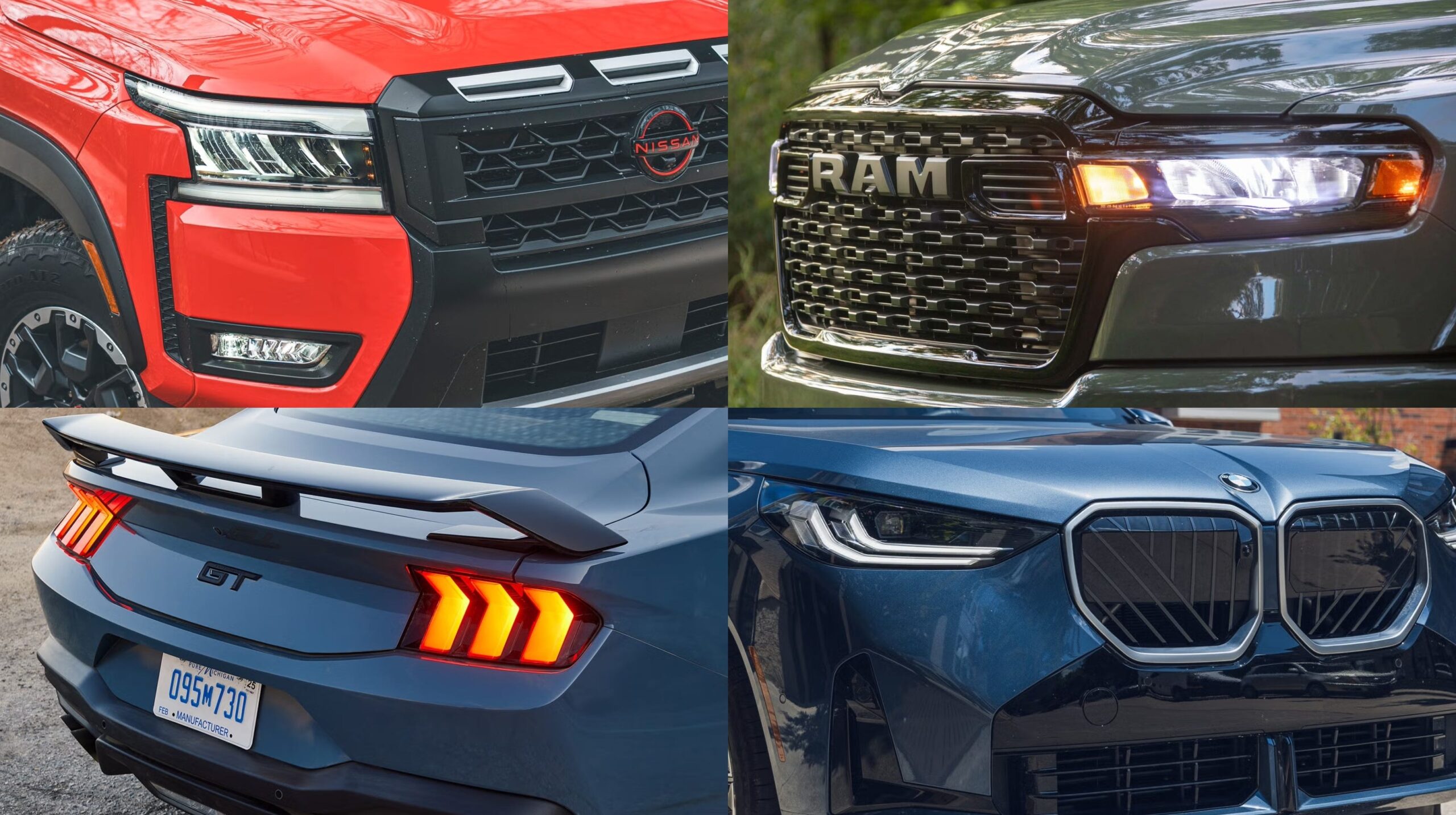


General Motors deliveries dropped 9.7 percent. Ford fell 8.8 percent. Stellantis watched its entire EV lineup crater by double digits. The first quarter of 2026 was ugly for Detroit, and the excuses — tariff-fueled buying binges a year ago, brutal winter weather, the elimination of the federal EV tax credit — only go so far.
The numbers tell a story of an industry caught between colliding forces: gas prices spiking past $4 a gallon thanks to the war in the Persian Gulf, new vehicle transaction prices pushing $50,000, and financing costs that refuse to come down. Cox Automotive forecast a 28 percent decline in EV sales for the quarter. The actual results, depending on whose badge you’re looking at, were either better or far worse than that.
Start with the wreckage. Ford’s F-Series, America’s bestselling vehicle, posted 159,901 units — down 16 percent. Ford blamed aluminum plant fires that disrupted commercial truck production, but that’s cold comfort when your flagship franchise is bleeding volume.
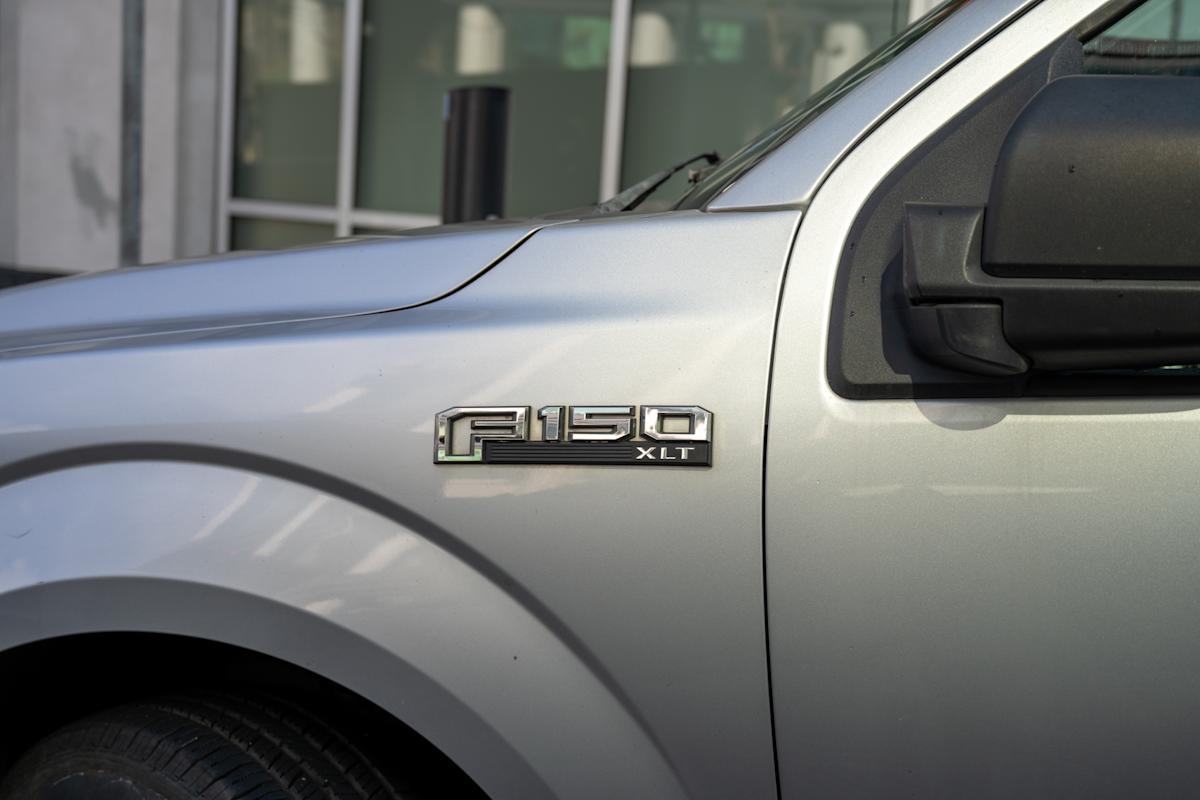
Ford’s EV business was even grimmer: sales plunged 70 percent to 6,860 units, with the now-canceled F-150 Lightning dropping from 7,187 to 2,060. Hybrids, supposedly Ford’s growth engine, fell 19.4 percent.
GM’s story wasn’t much different. All four brands posted losses, with Buick cratering 33 percent and Cadillac dropping 26 percent. Buick’s China-built Envision collapsed 71 percent, a reminder that sourcing vehicles from overseas carries real risk in the current political climate. Cadillac lost ground on the Escalade (down 29 percent) and couldn’t replace discontinued gas SUVs fast enough with electric alternatives like the Optiq and Vistiq.
Stellantis had it worst of all on the EV front. The Jeep Wagoneer S sold 175 units — not a typo — down 93 percent. The Dodge Charger Daytona managed 240 units, an 88 percent freefall. The Fiat 500e found 68 buyers. Sixty-eight. Alfa Romeo, which doesn’t even sell an EV, still managed to lose 53 percent of its volume.
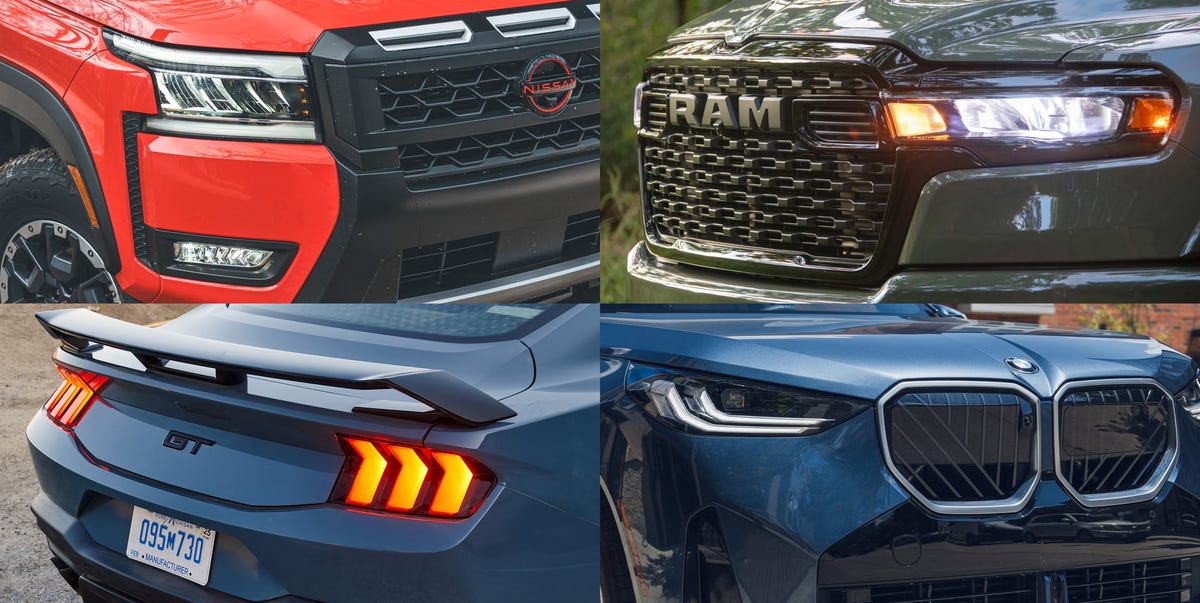
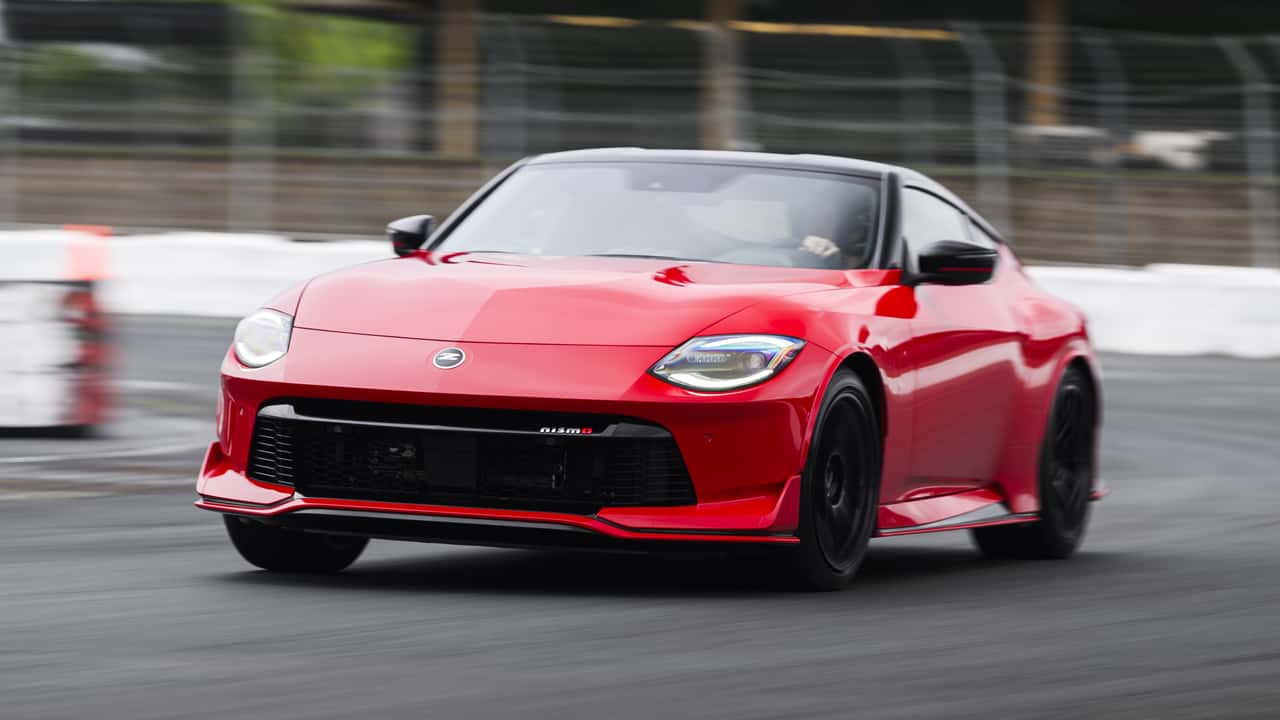
But buried in the carnage are some genuinely surprising performances. Ram trucks surged 25 percent to 98,425 units while its crosstown rivals bled share. The Ram 1500 alone was up 27 percent. Ford’s Mustang — a sports car, in winter — jumped 50 percent to 14,074 units. The BMW X3, fully redesigned, climbed 58 percent to 17,767 units.
The most telling bright spot belongs to Toyota. The refreshed bZ soared 79 percent to 10,029 units, and the Lexus RZ posted a staggering 207 percent increase. Toyota sold more RZs in three months than it sold in half of 2025. In a quarter where the EV tax credit was gone and the conventional wisdom said electric sales would crater, Toyota proved that a competitive product still finds buyers — tax credit or not.
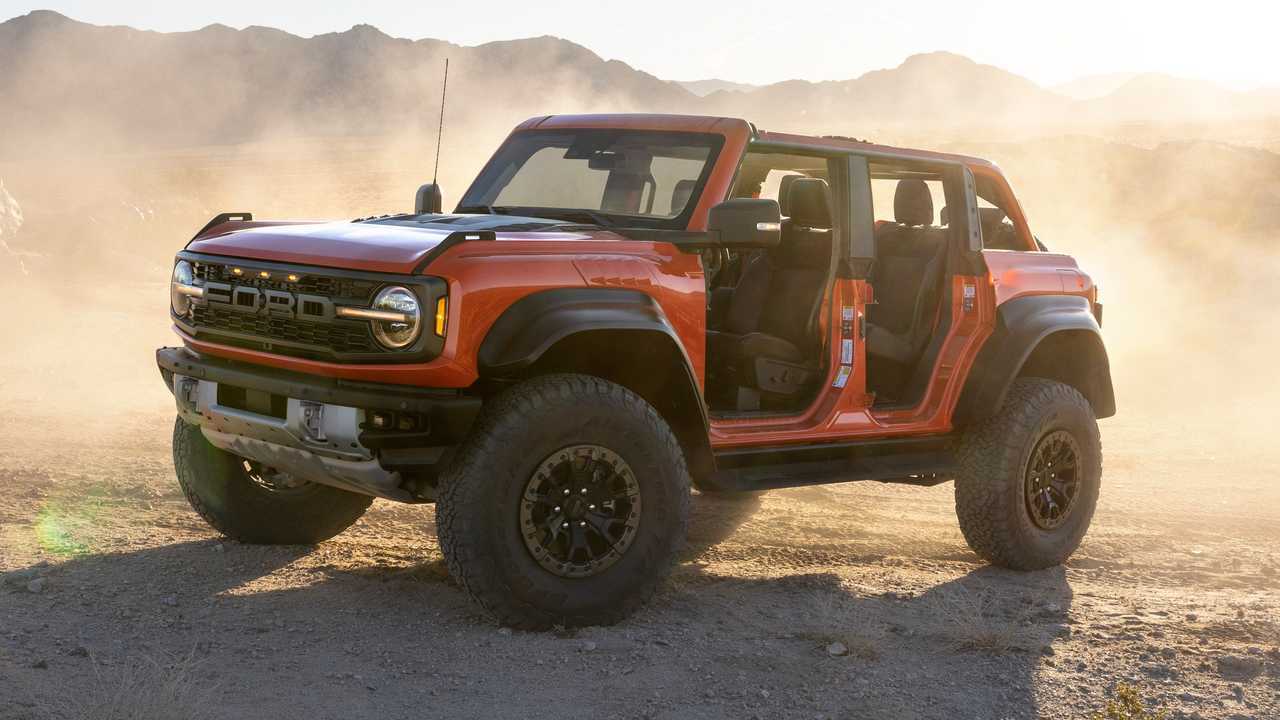
Ford did find some footing in its SUV lineup. Explorer jumped 29.7 percent, Expedition rose 30.2 percent, and the Bronco Sport posted its best first quarter ever. Ford’s estimated retail market share actually ticked up to 11.6 percent, suggesting the company is winning a larger slice of a shrinking pie.
The broader tension is impossible to ignore. Gas prices are up 25 percent, according to AAA, which should theoretically boost EV demand. But without the $7,500 tax credit, sticker shock kills the sale before the fuel savings argument can land. Cox Automotive’s Stephanie Valdez Streaty nailed it: consumers need to believe high gas prices are permanent before they change behavior. A wartime spike doesn’t qualify.
Automakers are now staring down a second quarter where every headwind — affordability, fuel costs, geopolitical uncertainty — remains in play, and last year’s tariff-panic surge still inflates the comparison. The brands that executed product refreshes and held pricing discipline are surviving. Everyone else is just hoping the weather gets better.


Share this Story