
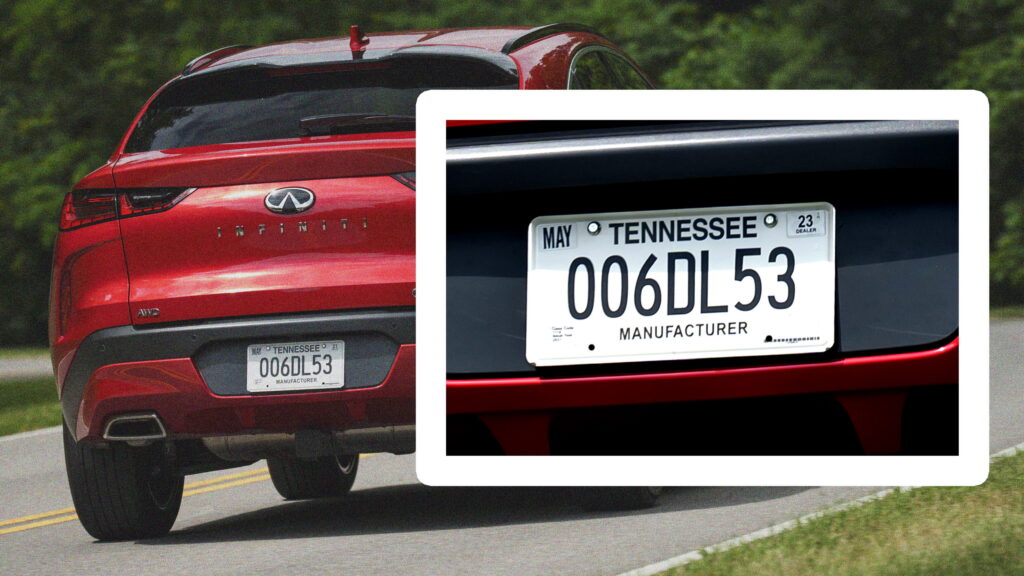


Fourteen times. That’s the documented floor, not the ceiling, for how often law enforcement officers have abused automated license plate reader systems to stalk romantic interests, according to an investigation by the Institute for Justice.
The cases share a grim pattern. Officers with access to ALPR networks, including the widely deployed Flock Safety system, ran searches on partners, exes, and people they were romantically pursuing. Most incidents surfaced only after victims reported broader stalking behavior to police. The surveillance abuse was incidental to the complaint, not the trigger for investigation.
That distinction matters. Nobody is auditing these systems looking for stalkers with badges. The stalkers are getting caught almost by accident.
Flock Safety, the dominant player in the ALPR market, operates camera networks in thousands of communities across the country. The cameras capture plate numbers, vehicle descriptions, and timestamps, feeding them into searchable databases accessible to subscribing law enforcement agencies. The pitch is simple: catch criminals, find stolen cars, solve crimes faster.
The reality is messier. In at least one city, a civilian using public records requests was able to correlate search logs by user ID to detect unusual query behavior, the same methodology that helped expose police stalking.
Then in December 2025, Flock quietly redesigned its audit logs. Searches are now serialized and anonymized, stripping out the user-level identifiers that made independent oversight possible. The timing followed a year in which multiple stalking cases involving Flock data came to light.
Washington State went further, passing legislation that exempts Flock data from public records law entirely. The door to outside accountability didn’t just close. It got bolted.
A volunteer court watcher for domestic violence proceedings in one jurisdiction reported that cases involving state surveillance tools used for stalking or harassment are “completely routine.” Officers enjoy enormous benefit of the doubt when querying these systems and face virtually no consequences even when protection orders are granted against them. Not once had the watcher seen a follow-up criminal case against an offending officer.
Flock’s own employees may not be clean either. One independent investigation alleges that company staffers accessed private business camera feeds, including those at pools and children’s gymnastics studios, with no apparent legitimate purpose. The accounts flagged reportedly belonged not to junior technicians but to senior executives with titles like Director of Growth and VP of Strategic Relations.
The 14 confirmed cases represent what researchers could prove with available records. The actual number is unknowable, and deliberately so.
Officers routinely cite vague or fabricated reasons for their searches. Internal audits, where they exist, are designed to flag obvious anomalies, not systematic misuse by someone who knows where the tripwires are. And cops know where the tripwires are.
The fundamental tension here is baked into the product. ALPR systems are sold as force multipliers for public safety. They generate enormous volumes of location data on ordinary citizens who are suspected of nothing.
Access controls depend entirely on the discipline and integrity of the agencies operating them. When those agencies are also the ones investigating complaints against their own officers, the feedback loop is closed. Nobody is watching the watchers.
Flock’s response to the exposure wasn’t to add transparency. It was to subtract it. That tells you everything about whose interests the system is designed to protect. It is not yours.
Every surveillance capability ever granted to law enforcement has eventually been turned against someone it wasn’t supposed to touch. Fourteen documented cases is not a glitch. It is the system performing exactly as human nature dictates when power meets opportunity and nobody is forced to account for either.





Share this Story