
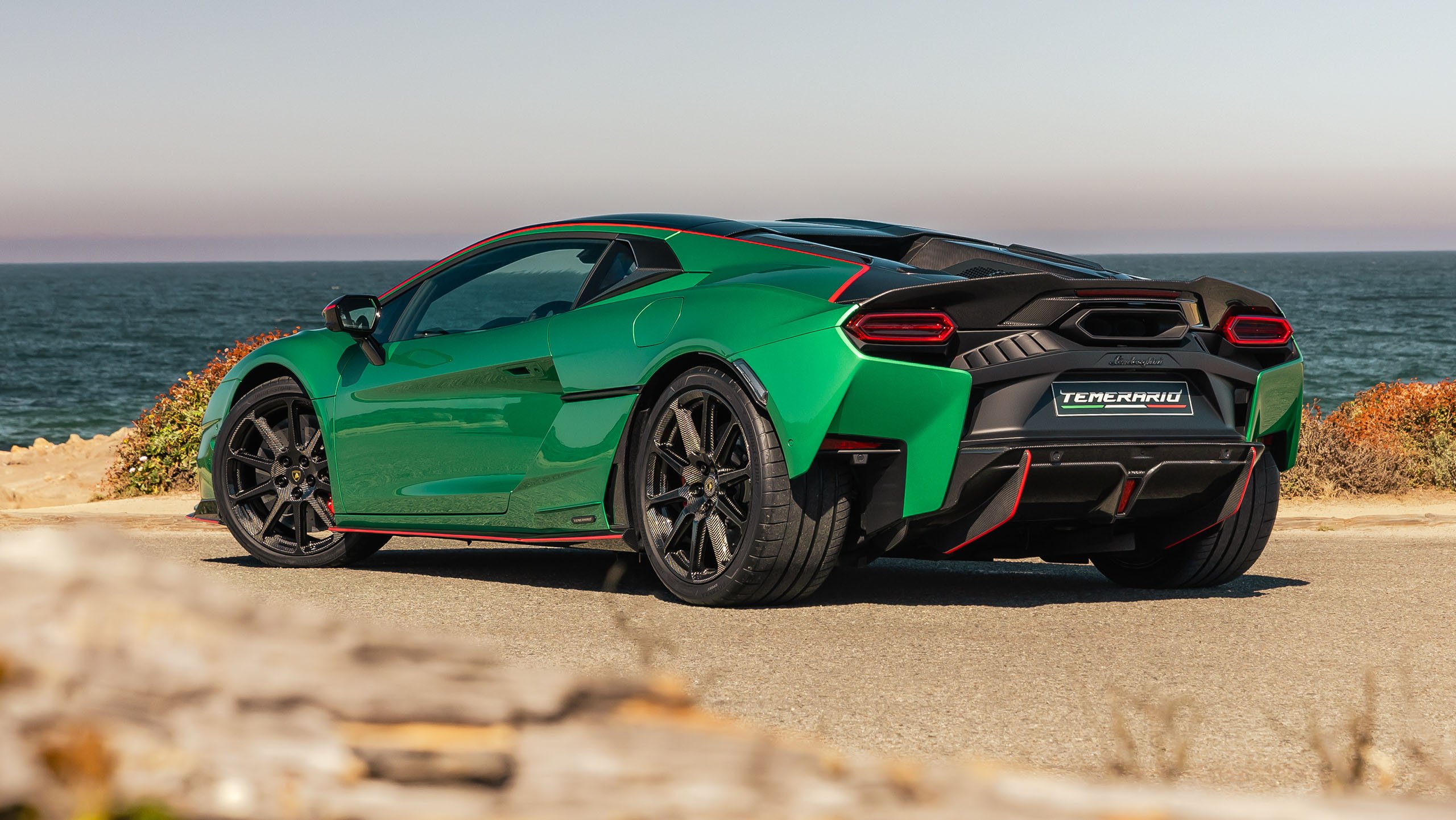


Bentley moved fewer than 150 units in the U.S. in July. Lamborghini volume is falling. Porsche customers are closing their wallets. And according to a well-connected industry insider who contacted The Drive under condition of anonymity, the luxury automotive market isn’t approaching a crisis. It’s already in one.
“People don’t see the value anymore as prices have risen for all these brands,” the source said. “Clients complain on lease payments. Many would need to pay an additional $2,000 a month to upgrade to a new vehicle, which is basically the same car as their current car.
The rot is spreading from the middle out. Ferrari and Bugatti occupy a stratosphere where market trends barely register. But one tier down, at brands like Bentley, Lamborghini, Aston Martin, and Porsche, buyers with real money are behaving like buyers who suddenly care about value. Depreciation, the source noted, is punishing. “Clients may have money, but they aren’t stupid.”
Kelley Blue Book’s July sales data tells the same story from a different angle. Consumers are gravitating hard toward subcompact SUVs, compact cars, and midsize sedans. Average transaction prices aren’t climbing as fast, not because sticker prices dropped, but because buyers are flatly refusing to be upsold.
Demand is keeping prices high on mainstream models while larger, pricier alternatives collect dust. That dynamic is brutal for automakers with heavy luxury exposure. Volkswagen Group and Mercedes-Benz are feeling it worse than BMW, whose lineup skews more toward accessible price points.
Transaction prices still inch upward, but unit sales are eroding at rates that fat margins alone cannot sustain forever.
Porsche is a telling case. The company posted only a small U.S. sales gain over 2024, while its certified pre-owned sales jumped 11 percent. Customers are bargain-hunting at a brand that built its identity on exclusivity.
Making matters worse, Porsche dealers have been tying allocation of hot 911 variants to purchases of slow-moving Taycans, layering markups on top. That game has a shelf life, and it appears to be expiring.
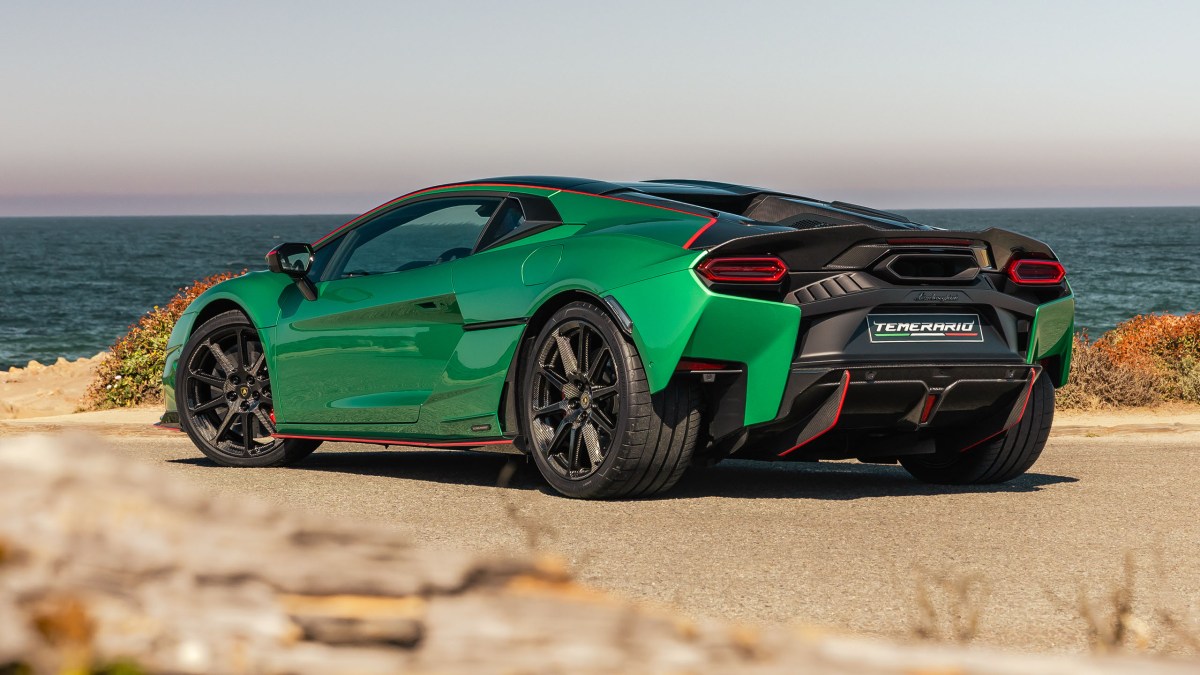
Bentley’s upcoming EV, according to the source, “will be a disaster.” Lamborghini’s profits are up on margin but volume is shrinking, a trick that works until it doesn’t. Aston Martin’s Valhalla generates excitement, but the rest of the lineup is struggling.
Model fatigue is compounding the problem. Manufacturers burned billions chasing EV mandates that shifted with presidential administrations. Reinvesting in low-volume luxury products is hard to justify when the math no longer works. Special editions, the traditional antidote to aging lineups, have been stretched past the point of diminishing returns.
Then there’s the accounting. The source described a practice called “punching,” where dealers register unsold cars into their own demo fleets to record them as retail sales. Those vehicles get used as service loaners or extended test-drive units, then cycled into certified pre-owned inventory before they show too much wear.
The sales figures that reach corporate, and eventually the public, are inflated by units that never touched a customer’s driveway. Any halfway decent retail sales months are due to dealers being forced to punch cars,” the source said. “These are not vehicles delivered to customers.”
Multiple sources confirmed that frustration is building on both the manufacturer and dealer sides. Morale is low. Traffic is thin. The tactics being used to paper over weak demand are running out of runway.
The traditional luxury playbook assumed that wealthy buyers would always absorb price increases because exclusivity justified the cost. Post-COVID pricing destroyed that assumption. When a refreshed model offers marginal improvements at a $2,000 per month premium over the outgoing version, even affluent customers start asking what exactly they’re paying for. The answer, increasingly, is not enough.



Share this Story