
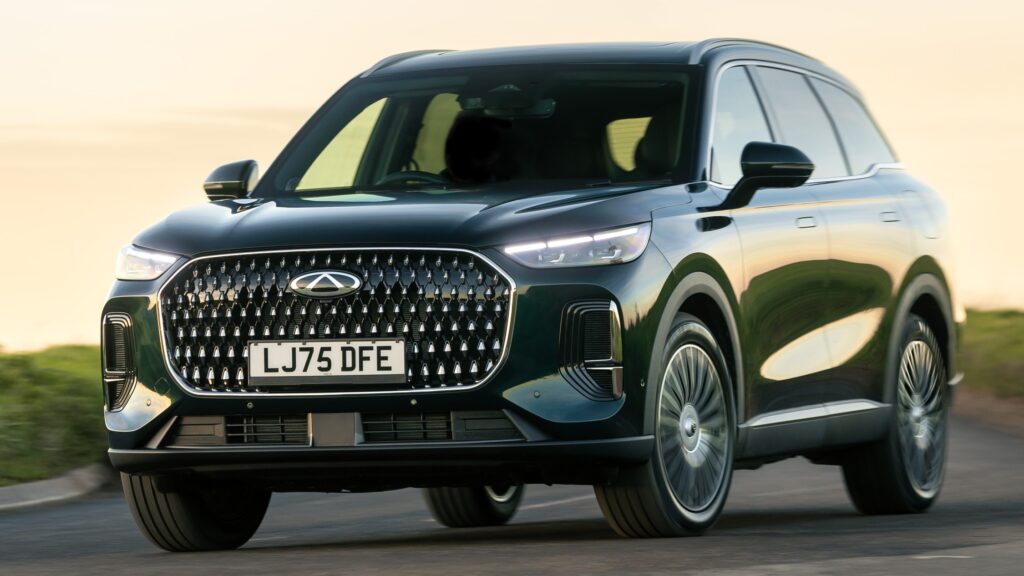


Twelve months ago, nobody in Britain had heard of Chery. Last month, the Chinese automaker registered 3,212 vehicles in the UK, beating Honda and Mazda’s combined total of 2,912. That’s not a typo.
According to the Society of Motor Manufacturers and Traders, Chery hit 2 percent market share in July, its strongest month since the brand’s first customer deliveries began last September. It also outsold Citroen, Dacia, and Suzuki, brands that have been selling cars in Britain for decades.
Year-to-date, Chery has logged 21,191 registrations. Citroen, which has been active in the UK since 1919, managed 18,324 over the same period.
The lineup is nothing exotic. Four Tiggo SUVs, all priced to undercut European and Japanese competitors. No sedans, no hatchbacks, no EVs yet. Just SUVs, delivered fast and priced right.
But the real story isn’t just Chery. It’s the family. Chery operates two sister brands in Britain, Omoda and Jaecoo.
In July, Omoda added 3,403 sales. Jaecoo contributed 5,502. Combined, the three brands moved 12,117 vehicles in a single month.
Toyota managed 6,653. Volkswagen, the UK’s perennial volume king, sold 14,054. Three Chinese brands that didn’t exist in British showrooms 14 months ago nearly matched VW.
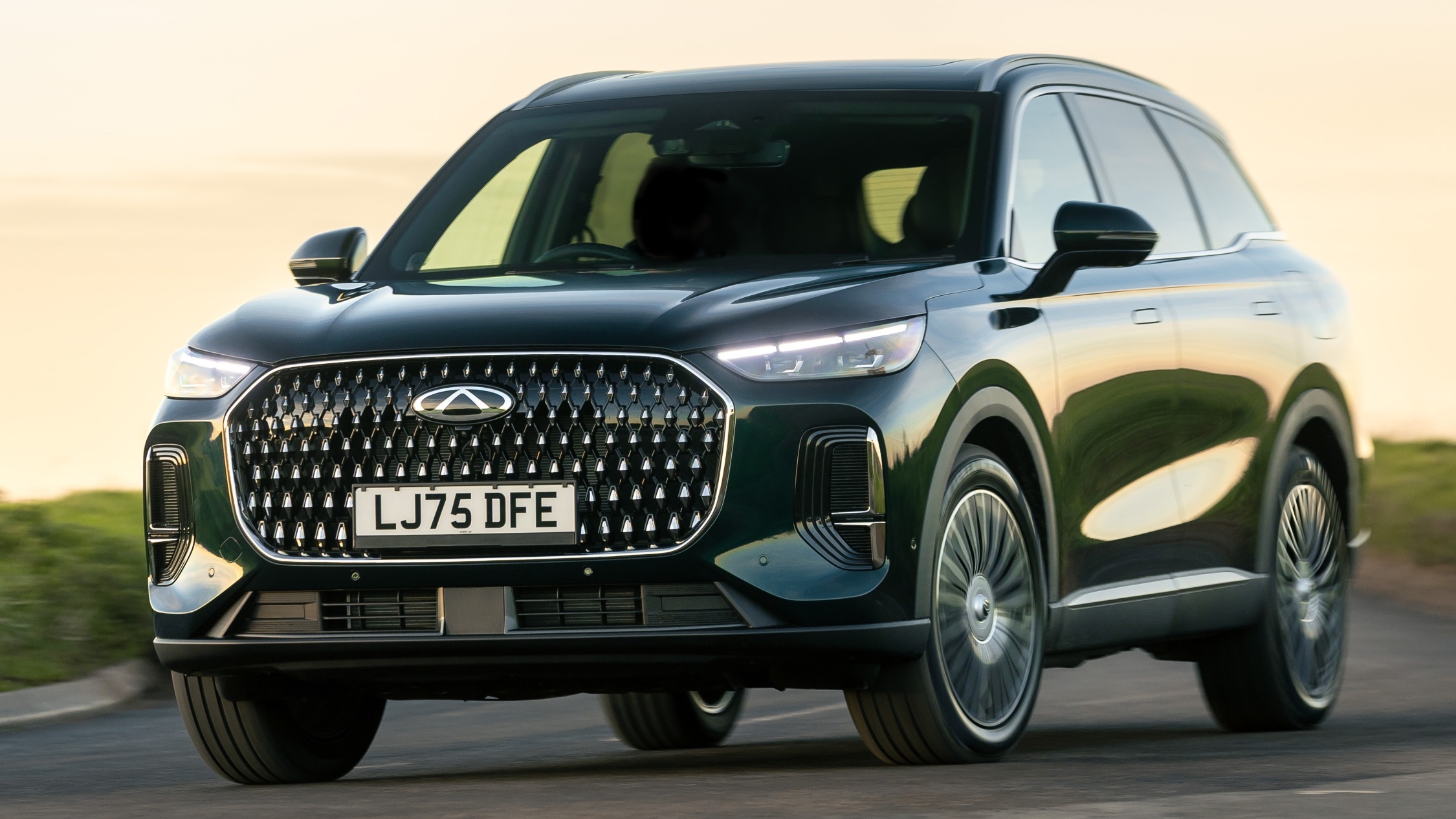
Jaecoo has been the sharpest weapon. Its Jaecoo 7, which the internet has christened the “Temu Range Rover” for its unmistakable resemblance to Land Rover’s styling language, became the first Chinese vehicle ever to top the UK’s monthly sales chart when it hit number one in March. That looked like it could be a novelty spike. It wasn’t.
The Jaecoo 7 currently sits third in the year-to-date model rankings. In July, it placed fourth, with the smaller Jaecoo 5 landing in seventh. Two models from a brand most Brits couldn’t have named a year ago are sitting in the top ten alongside the Ford Puma and Nissan Qashqai.
The pattern should look familiar. Chinese automakers did this in Southeast Asia, Australia, Latin America, and the Middle East. Enter a market with attractively priced SUVs that look like they cost more than they do, undercut the locals, and build volume before the establishment can react. The UK is just the latest domino, and it fell fast.
Ford CEO Jim Farley has publicly warned his employees that Chinese brands will likely reach the American market within five to ten years, even with tariffs and regulatory barriers in place. Watching Chery’s trajectory in Britain gives that warning some teeth. The company didn’t need a decade to build awareness, a motorsport program, or a celebrity endorsement campaign. It needed competitive pricing and SUVs that look the part.
Britain’s market is smaller than America’s, and it lacks the 100-plus percent tariffs currently shielding Detroit. But it does have established Japanese and European brands with loyal customer bases and dense dealer networks, the same kind of competitive moat that US automakers assume will protect them.
Chery walked right through it. The Freelander revival, built on Chery’s platform and reportedly targeting export markets, hasn’t even arrived yet. If that model reaches British dealers with the same pricing strategy, the 2 percent market share number is going to look quaint by this time next year.

Share this Story