
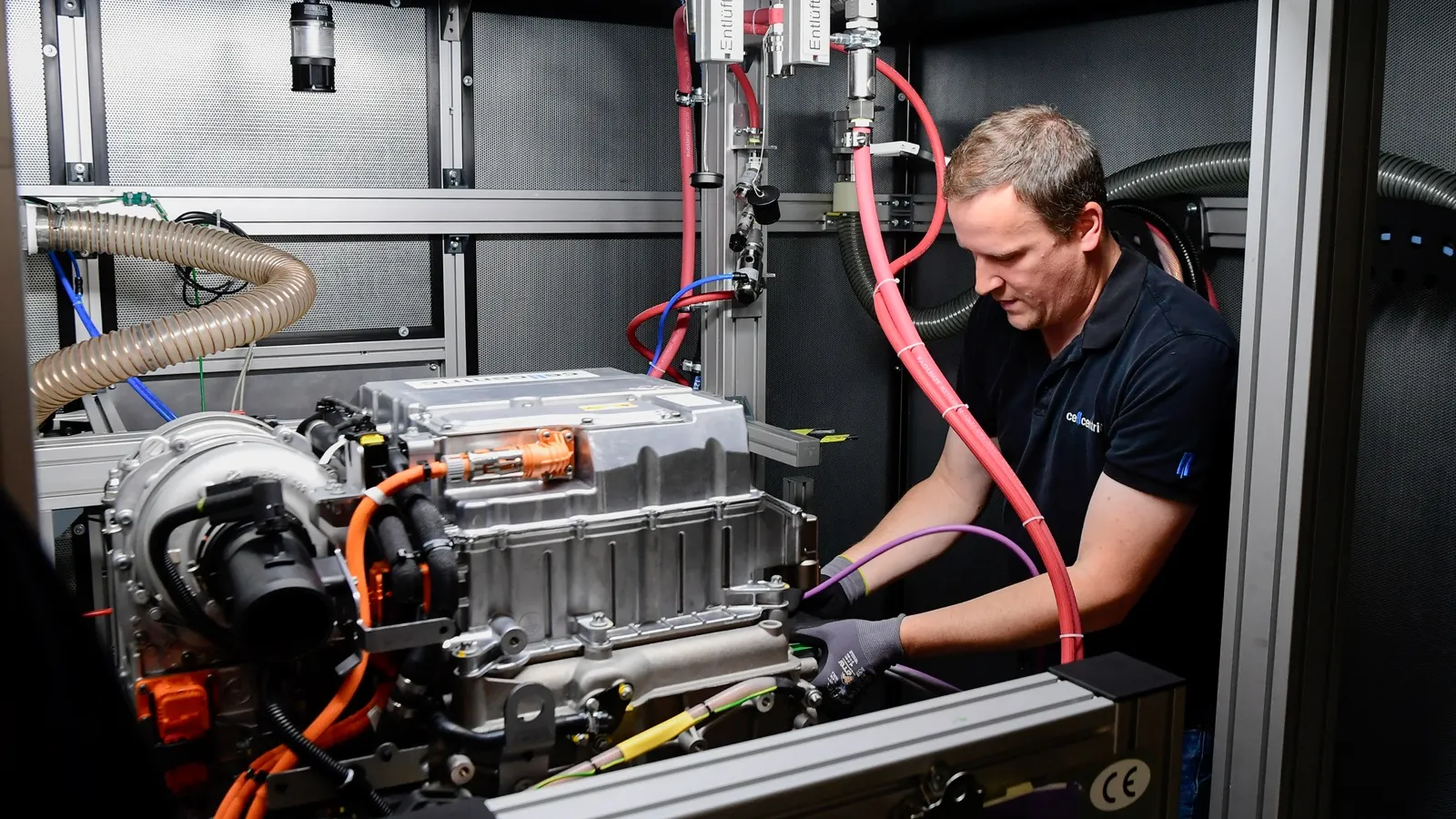


Toyota Motor Corp. has signed a binding agreement to become an equal partner alongside Volvo Group and Daimler Truck in cellcentric, the hydrogen fuel-cell company that has quietly built itself into the most patent-rich operation in heavy-duty hydrogen propulsion. The deal, finalized on July 27, converts a non-binding agreement signed in March into something with real teeth.
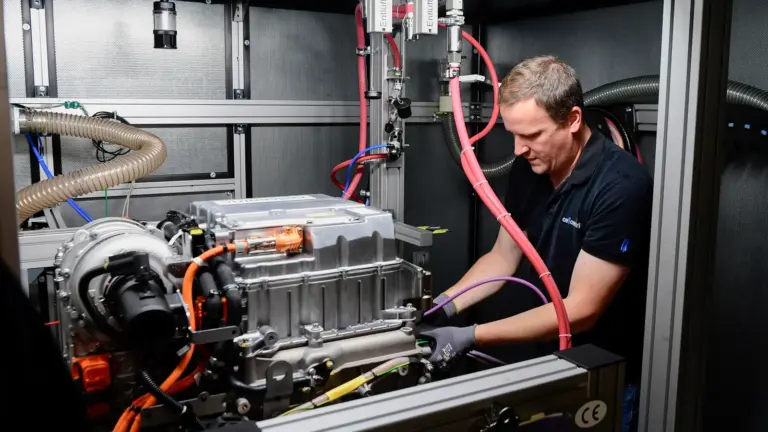
Cellcentric holds roughly 700 patents and employs more than 560 people across facilities in Esslingen, Germany, and Burnaby, British Columbia. Founded in 2021 as a Volvo-Daimler creation, the company now gets a third heavyweight owner with decades of hydrogen experience and very deep pockets.
The timing is hard to ignore. In January, Honda dissolved its fuel-cell partnership with General Motors, walking away from a collaboration that once looked like America’s best shot at commercializing the technology. That retreat left a vacuum. Toyota is filling it, but not in passenger cars.
The focus here is squarely on heavy-duty commercial vehicles, where hydrogen’s advantages over battery-electric drivetrains are hardest to dismiss.
Long-haul trucks hauling 40 tons need energy density that current battery packs struggle to deliver without crippling payload penalties. Hydrogen fuel cells solve that weight equation. The problem has always been everything else: the cost of the cells, the scarcity of fueling infrastructure, and the price of green hydrogen itself.
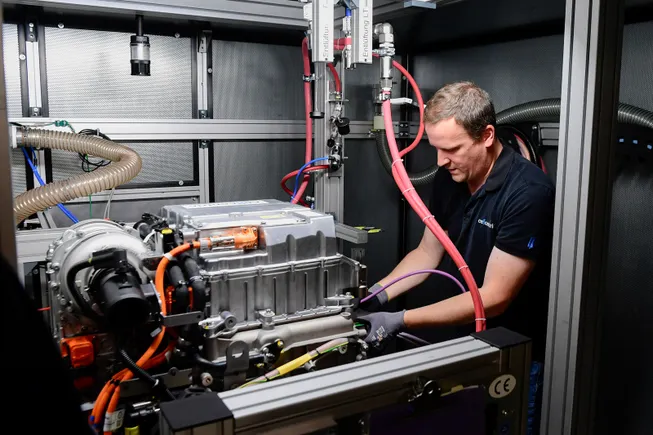
Toyota, Volvo, and Daimler Truck are betting that consolidation is the answer. Three of the world’s largest vehicle manufacturers pooling resources into a single, independent fuel-cell supplier creates the kind of industrial scale that can actually bend cost curves. Cellcentric will continue operating autonomously and selling to a broad customer base, not just its three parent companies.
That open-market model matters. A captive supplier dies when its parent loses interest. An independent one with 700 patents and three global backers has a longer runway.
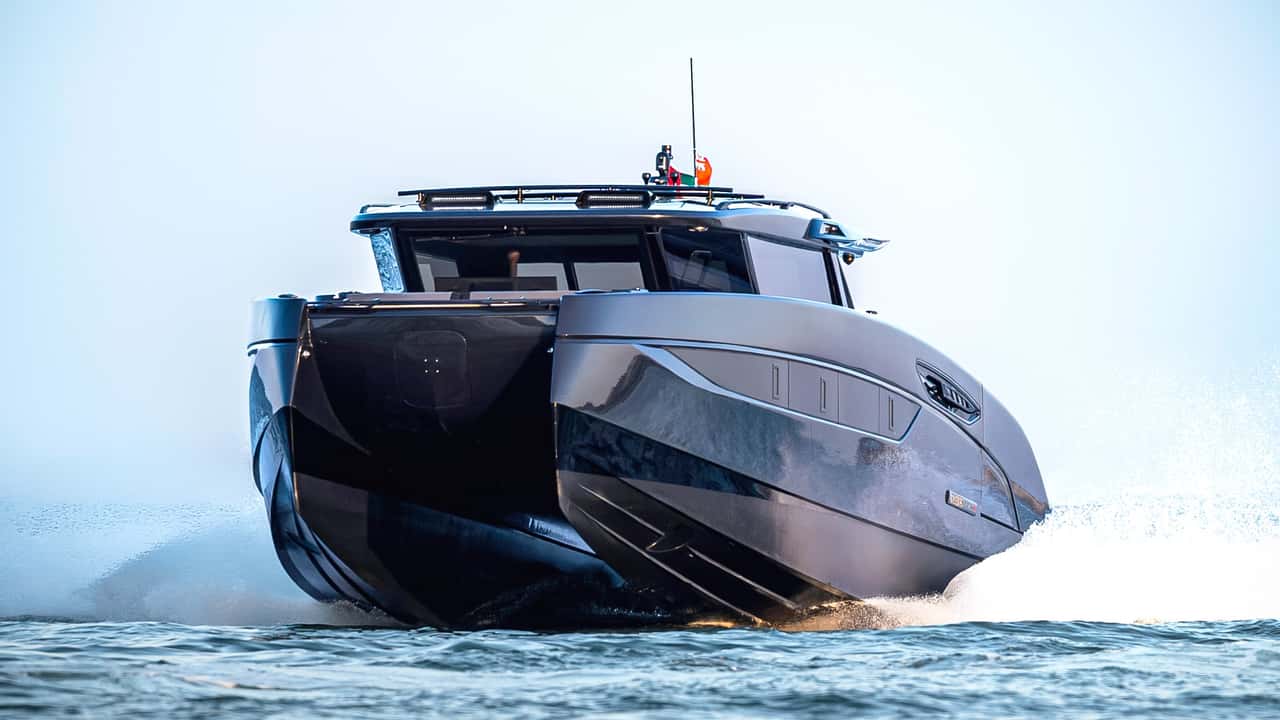
The scope extends well beyond highway trucks. Cellcentric targets coaches, marine applications, rail, stationary power generation, and heavy off-highway equipment. Each of those sectors faces its own decarbonization pressure, and each one represents a potential volume play that helps spread development costs across a wider base.
Toyota is also building hydrogen fueling infrastructure in Southern California, a move that addresses the chicken-and-egg problem that has strangled fuel-cell adoption for years. You cannot sell hydrogen trucks without stations, and nobody builds stations without trucks to use them. Having a truck manufacturer invest directly in fueling infrastructure signals a willingness to absorb risk that pure-play energy companies have avoided.
The transaction requires regulatory approval and is expected to close no later than early 2027. When it does, cellcentric will be backed by companies that collectively manufacture millions of vehicles a year across virtually every commercial segment on earth.
The hydrogen skeptics have plenty of ammunition. Costs remain high. Green hydrogen production is still scaling.
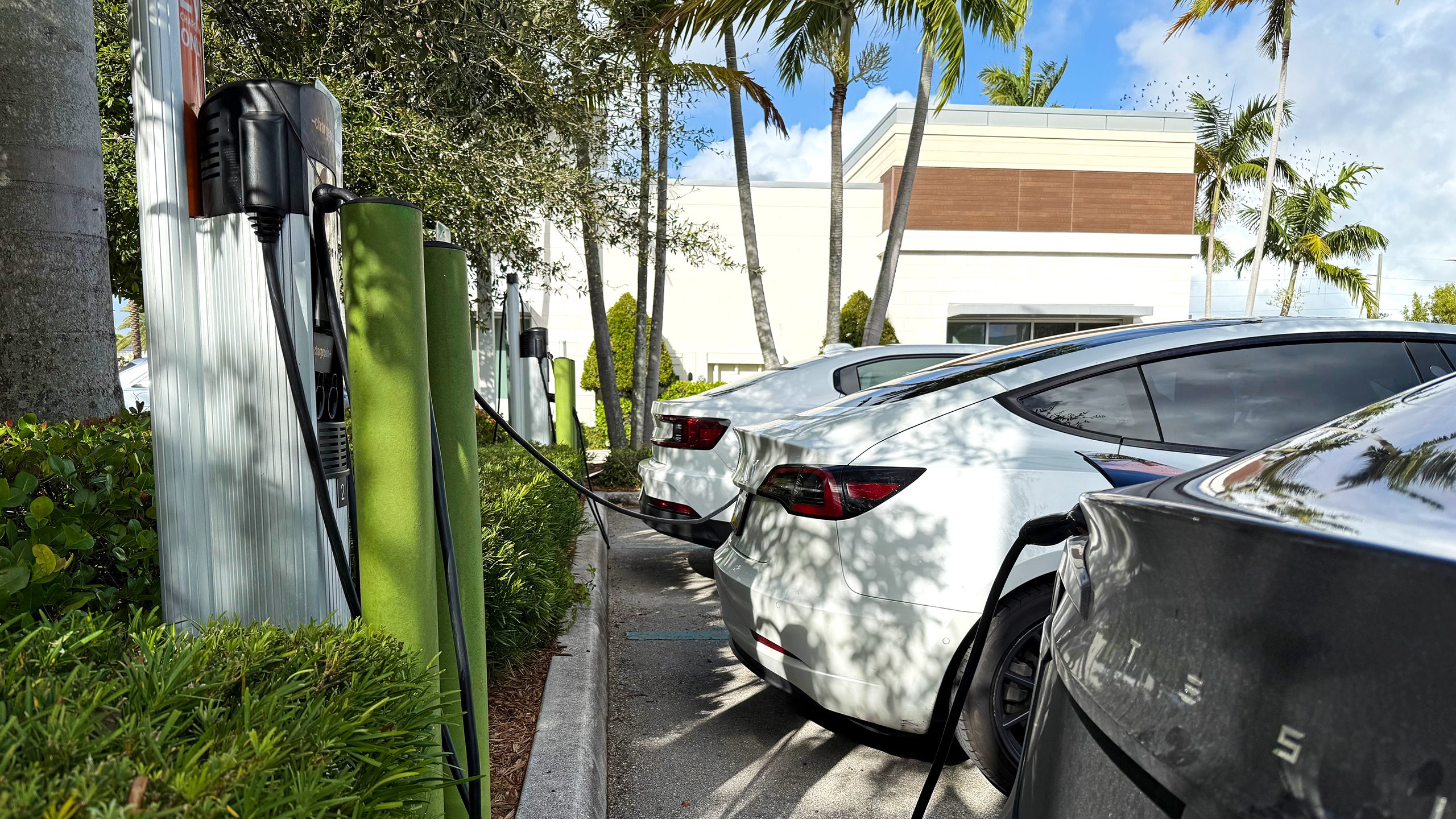
Battery-electric trucks from companies like Tesla, Volvo itself, and Daimler’s own Freightliner brand are already rolling off assembly lines and plugging into existing electrical grids. But those same skeptics said similar things about diesel particulate filters and SCR systems two decades ago, and the truck industry figured those out when regulation forced the issue.
What regulation will demand of long-haul trucking by 2035 is still taking shape. Toyota, Volvo, and Daimler are placing their chips early.
Share this Story