
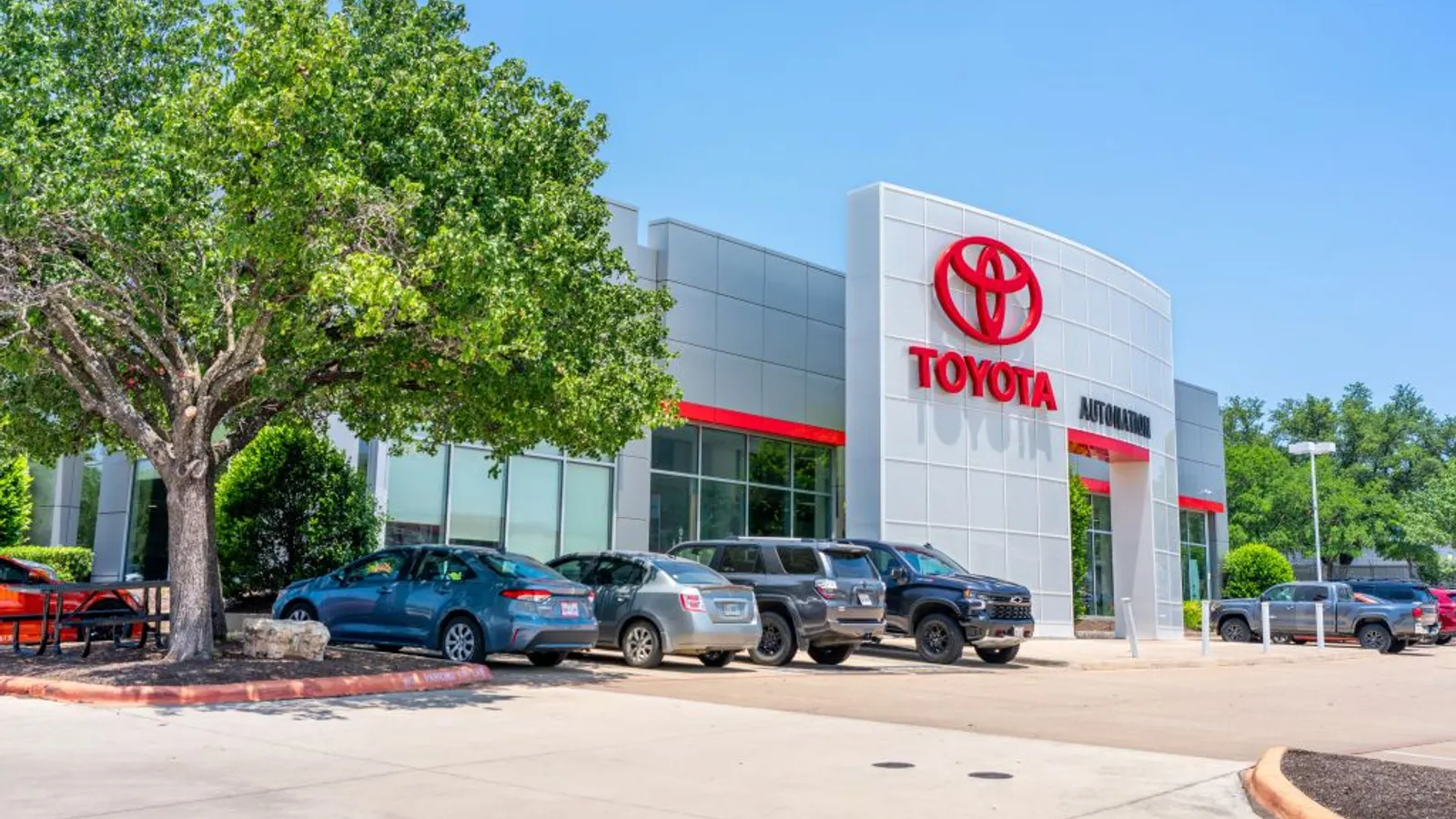


The demand for Toyota franchises is “quite frankly insatiable.” That’s not a car buyer talking. That’s Erin Kerrigan, one of the most-watched dealership mergers and acquisitions advisors in the country, describing the frenzy among dealer groups trying to acquire stores.
The first half of 2026 saw roughly 215 buy-sell transactions involving about 315 dealerships, according to the Presidio Group. That’s a 23 percent jump in transactions and a 47 percent surge in rooftops changing hands compared to the same period last year. George Karolis, Presidio’s president, says 2026 could be a record year for dealership M&A, or at minimum a top-three finish.
But this isn’t a rising tide lifting all boats. It’s a K-shaped market, and the split is getting sharper.
BMW’s share of buy-sell activity in the first quarter of 2026 leaped 228 percent over its 2025 average. Porsche jumped 207 percent. Lexus rose 123 percent, Honda 89 percent, and Toyota 37 percent.
Those five brands, a mix of luxury stalwarts and bulletproof volume imports, are commanding record blue sky values. That’s the premium buyers pay above hard assets for the franchise itself.
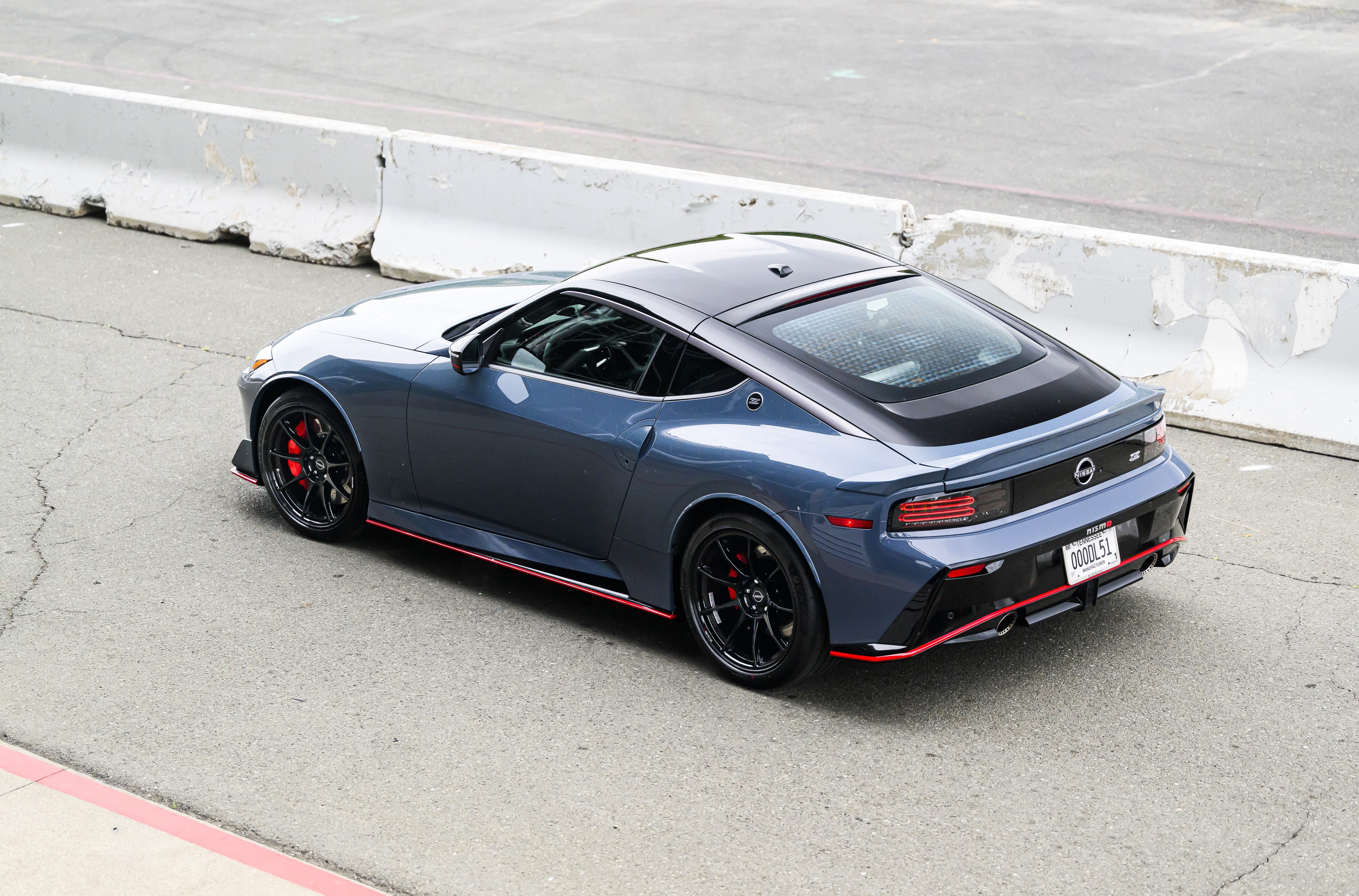
Meanwhile, brands on the other side of the K are getting dumped. Presidio downgraded its valuation guidelines for Audi in its second-quarter update and flagged Nissan as a franchise worth watching after years of underperformance. In a June survey, 18 percent of dealers said they were open to selling in the next year, up from 11 percent a year earlier.
The flight to quality is real, but it’s not the only force driving volume. Record franchise values for coveted brands are pulling longtime owners off the fence. When someone offers generational wealth for your Toyota store, the math gets simple.
Sellers also face a thickening wall of risk. Higher gas prices, deteriorating vehicle affordability, and Middle East instability all figure into the calculus. Layer those threats onto a business already navigating EV transition uncertainty and tariff-driven cost pressures, and the appeal of cashing out grows.
Then there’s the oldest driver of all: age. The average dealership principal is over 70, and many lack succession plans. Karolis says that dynamic remains the number-one reason owners sell, more than valuations or market anxiety.
The buyers are a familiar cast: publicly traded groups, well-capitalized private consolidators, and ambitious regional operators all competing for the same short list of premium franchises. The scarcity of high-quality stores for sale is compressing timelines and inflating multiples. Karolis put it bluntly: “There’s a lot more demand for the high-quality stuff, and there’s a lot less of it available.”
This is a market rewarding strength and punishing weakness at the same time. A dealer group holding Toyota, Honda, and BMW stores is sitting on a portfolio that buyers will fight over. A group anchored by struggling domestic or second-tier import brands faces fewer interested buyers, lower multiples, and less leverage at the negotiating table.
The gap is widening fast enough to reshape the industry’s ownership map. The dealers who built empires around the right brands decades ago are now harvesting that bet at peak prices. Everyone else is doing the math on what their stores are actually worth in a market that has made its preferences clear.

Share this Story