
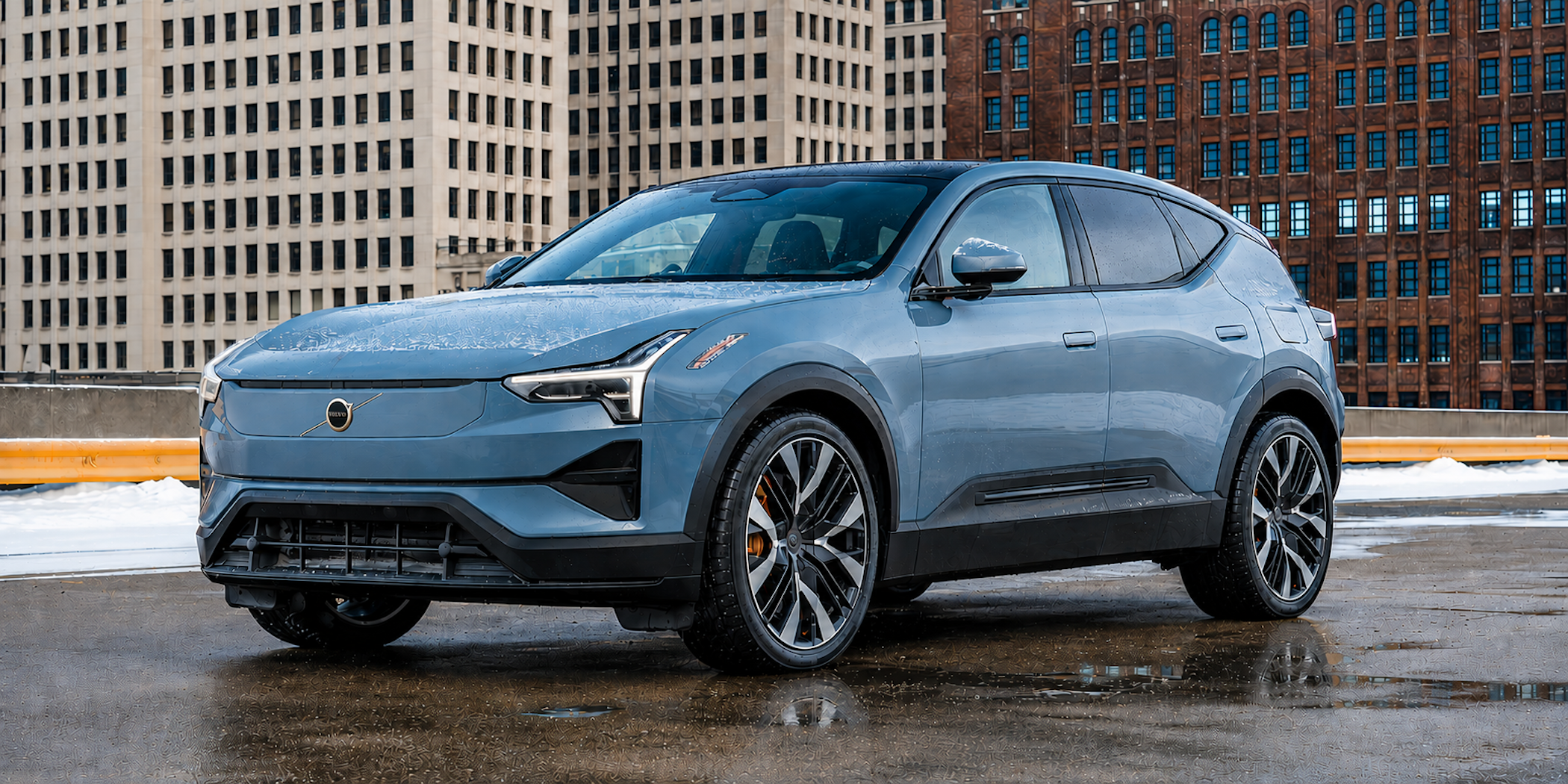


The 2027 Polestar 3 is dead in America. But the SUV it shares a factory floor, platform, and software with — the Volvo EX90 — is alive and well. That asymmetry is the whole story.
Polestar, the Geely-owned performance EV brand based in China, was denied a Connected Vehicle waiver by the Department of Commerce’s Bureau of Industry and Security, banning it from selling cars in the United States starting with the 2027 model year. Volvo, also owned by Geely, received its waiver. Both vehicles roll off the same assembly line in Ridgeville, South Carolina, share key hardware and software, yet one gets to stay and the other doesn’t.
The timing makes the situation almost absurd. Polestar had just consolidated global production of the 3 to that very South Carolina plant — a massive logistical commitment that only makes sense if you expect to sell the vehicle in the country where you’re building it. Either Polestar’s leadership was blindsided by the federal decision, or someone approved a factory consolidation they knew was doomed. Neither explanation inspires confidence.
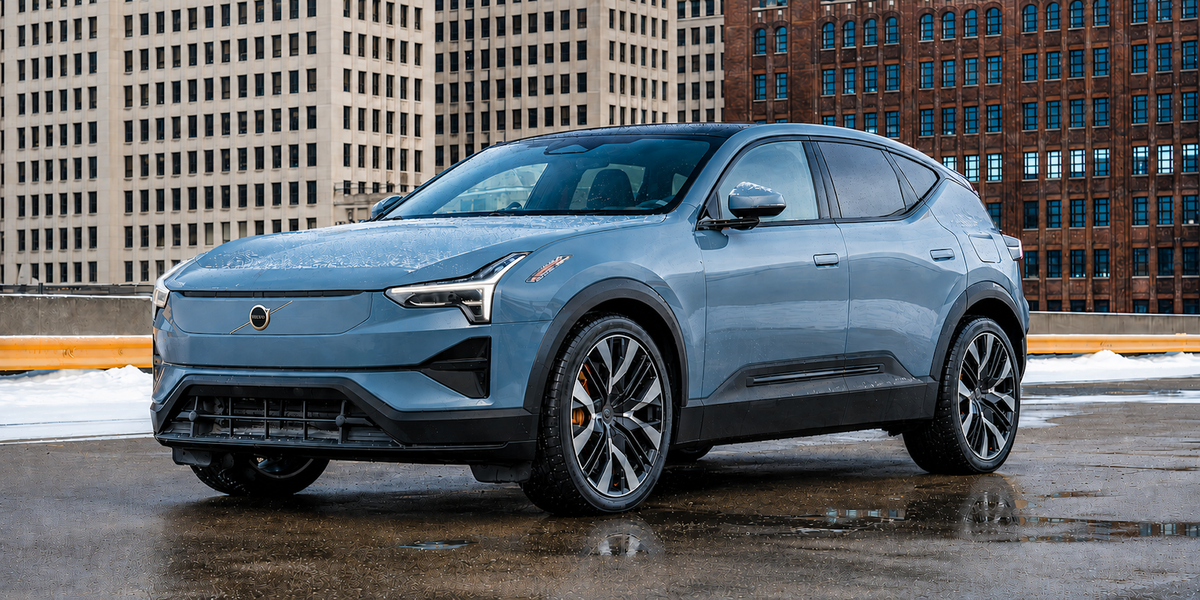
Car and Driver’s Greg Fink floated a theory that deserves attention: the Polestar 3 could simply be rebadged as a Volvo. Strip the Polestar logos, swap out the plastic surround on the front camera, and ship it as a Volvo product. The bones are identical, and the software stack is apparently clean enough for the federal government to approve Volvo’s waiver. If the issue isn’t the car itself but the brand behind it, a badge swap is the logical escape hatch.
Neither Polestar nor Volvo nor the BIS has commented. That silence is telling. It suggests conversations are happening, or at minimum that nobody wants to close the door publicly.
The real tension here is what the ban actually targets. The Polestar 4, built in South Korea, runs on a different software stack than the 3. If the government’s concern centers on Polestar’s broader connected-vehicle architecture — the stuff that doesn’t overlap with Volvo — then the 3 might genuinely be collateral damage, a car built in America, on approved software, killed by its parent company’s other products.
There are jobs on the line in Ridgeville. The Volvo plant needs volume to justify its existence, and pulling Polestar 3 production out of South Carolina would be a blow to a facility that was supposed to be the brand’s American anchor. Keeping the car alive under Volvo’s umbrella would help fill capacity and preserve employment — practical considerations that tend to matter when federal agencies start getting calls from congressional delegations.
If it happens, a rebadged Polestar 3 would likely arrive as a 2028 model. That’s a tight turnaround, but the engineering work is done. You’re not developing a new vehicle — you’re changing nameplates.
The connected-vehicle rule was designed to address national security concerns about Chinese-linked technology embedded in cars sold to American consumers. It was always going to create strange outcomes — vehicles built on American soil by American workers getting blocked because of corporate parentage. The Polestar-Volvo split is the first glaring example of how messy that line gets when two brands share everything except a name.
Polestar’s American chapter may be over. But the car it staked that chapter on might outlive the brand that built it, wearing someone else’s badge on a dealer lot ten miles from the factory where it was born. The auto industry has seen stranger things, but not many.

Share this Story