
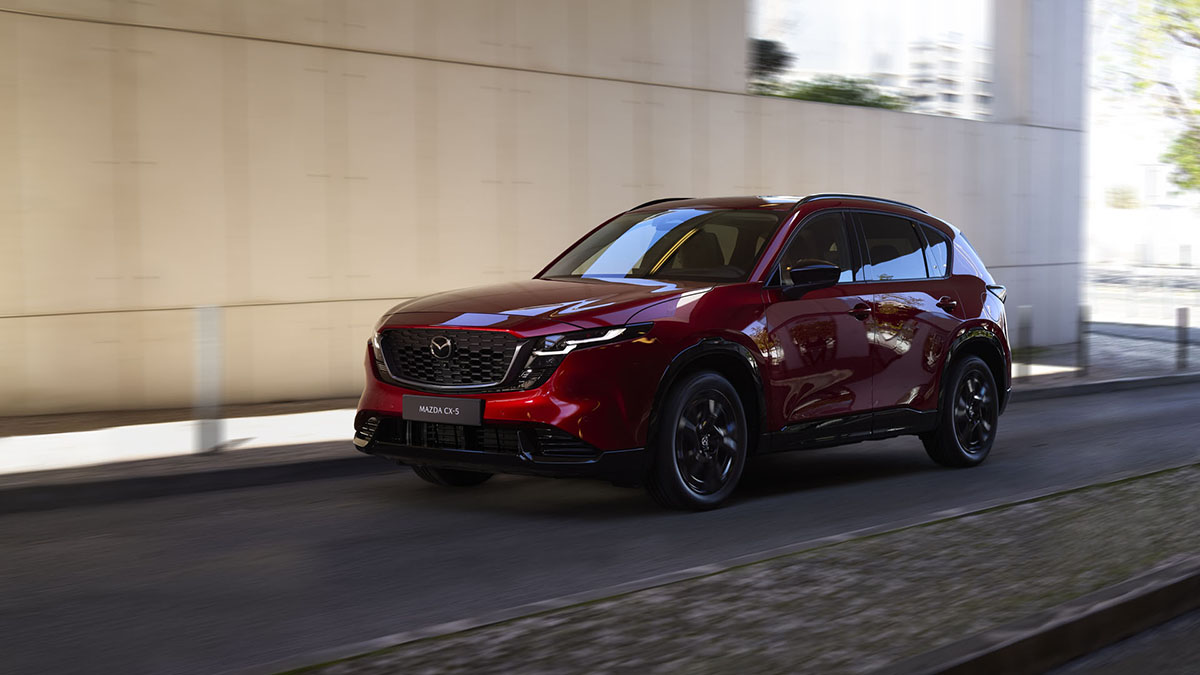


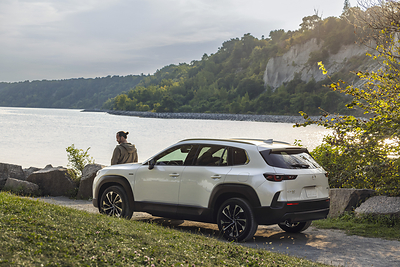
The 2026 Mazda CX-5 just picked up a TOP SAFETY PICK+ rating from the Insurance Institute for Highway Safety, and with it, Mazda quietly crossed a number no other automaker seems eager to talk about: 100 total IIHS safety awards since the program launched in 2008. Seventy-four of those have been the top-tier Plus designation. That’s not a hot streak. That’s a pattern.
The CX-5 award gives Mazda nine TOP SAFETY PICK+ winners for the 2026 model year, more than any other brand. The lineup reads like a near-clean sweep: Mazda3 sedan and hatchback, CX-30, CX-50 (including the hybrid), CX-70, CX-70 PHEV, CX-90, CX-90 PHEV, and now the CX-5. Every crossover and car Mazda sells in the U.S. carries the institute’s highest rating.
IIHS President David Harkey noted that Mazda “acted quickly to improve its vehicles as our award criteria have evolved.” That’s a diplomatic way of saying the goalposts keep moving and Mazda keeps clearing them.
The 2026 criteria are no joke. Good ratings are required in small overlap front, moderate overlap front, and side crash tests. Headlights must earn acceptable or good marks across every trim level, not just the top-dollar ones.
Front crash prevention systems need good pedestrian test ratings and at least acceptable scores in the updated vehicle-to-vehicle 2.0 evaluation. Optional safety packages must meet the same bar as standard equipment, closing a loophole some brands have exploited by dangling base models with lesser tech.
This is where Mazda’s approach diverges from most of the industry. Larger automakers tend to reserve their best safety hardware for higher trims or pricier nameplates. Mazda standardizes it.
The CX-5 starts under $32,000. The Mazda3 is cheaper still. Earning Plus awards across price points says more about engineering philosophy than any press release ever could.
Jennifer Morrison, Mazda’s director of vehicle safety strategy, pointed to the brand’s stated goal of zero fatalities in Mazda vehicles by 2040. It’s an ambitious target, and the kind of corporate aspiration that usually invites skepticism. But 100 awards over 17 years suggests the company is at least building the foundation to back it up.
Mazda remains a small-volume player in North America, moving a fraction of the units Toyota, Honda, or Hyundai ship. It doesn’t have the R&D budget of a global giant. It doesn’t splash nine-figure advertising campaigns around the Super Bowl. What it does is engineer cars with obsessive consistency and an apparent refusal to cut corners where occupant protection is concerned.
The CX-5 itself is freshly redesigned for 2026, and this IIHS nod arrives early in its lifecycle. Getting the Plus rating out of the gate, rather than after a mid-cycle refresh, signals the safety engineering was baked in from the start rather than bolted on after testing exposed weaknesses.
Nobody throws a parade for 100 safety awards. But in a market drowning in horsepower wars, screen-size contests, and EV range anxiety, Mazda keeps stacking the one metric that matters most when metal meets metal. The scoreboard speaks for itself.
Share this Story