
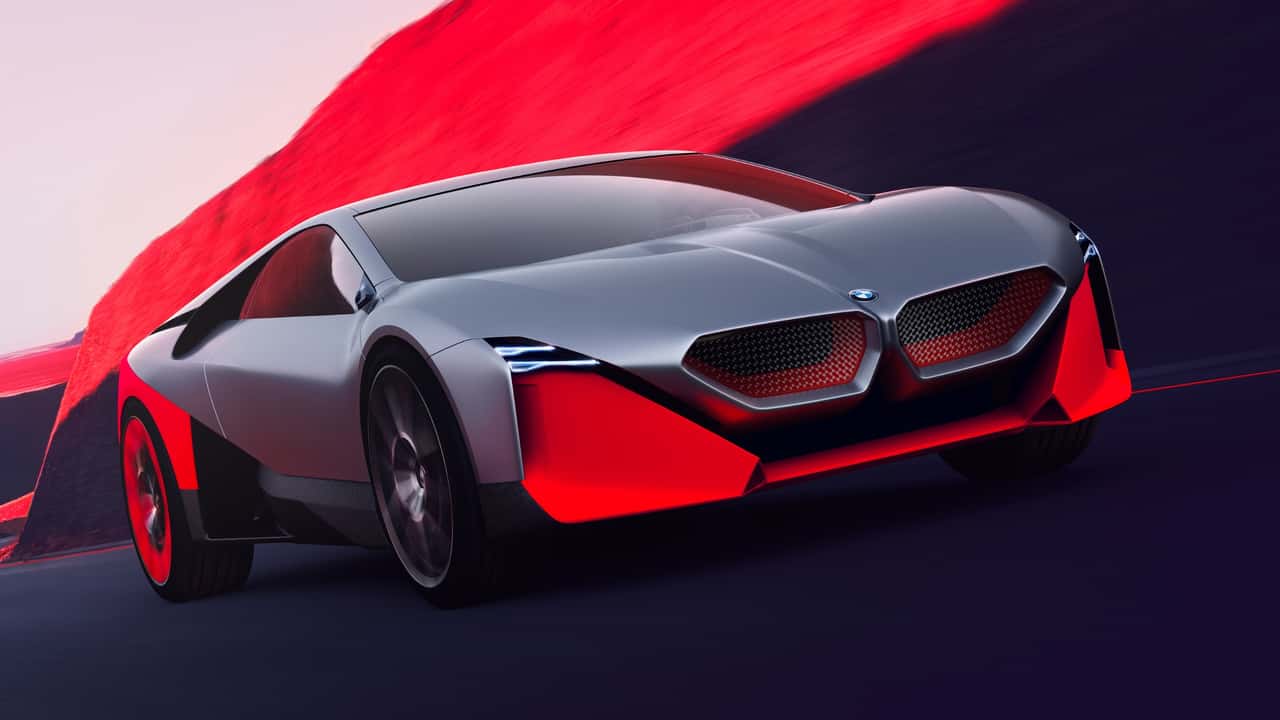


Frank van Meel says he’s in love. The BMW M CEO told BMWBlog he would “love” to build a new M1, nearly half a century after the original mid-engined wedge stopped production. Oliver Heilmer, head of M Design, reportedly shares the infatuation.
It’s a romance BMW keeps revisiting but never consummating.
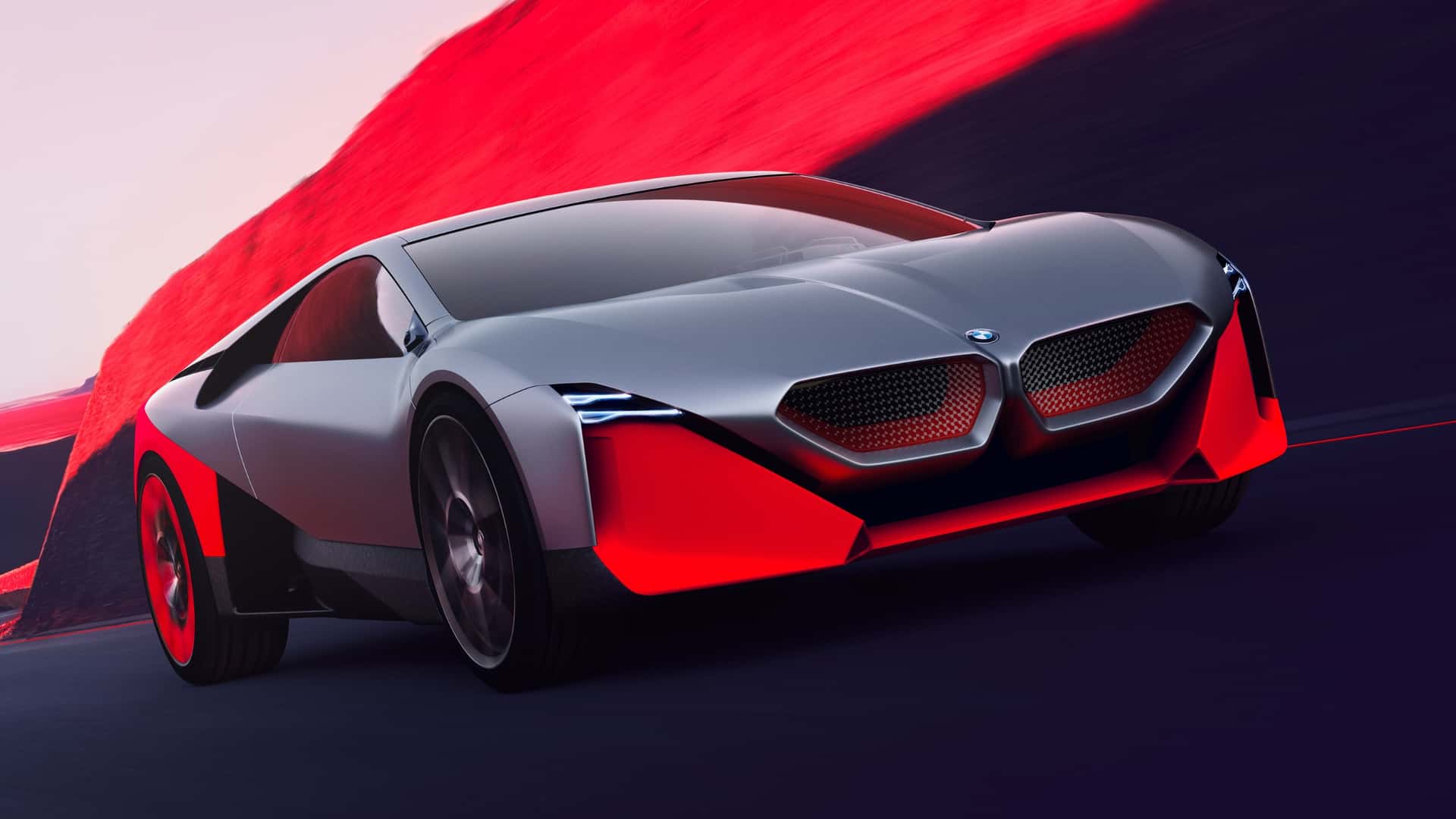
The company got tantalizingly close with the 2019 Vision M Next Concept, a 600-horsepower four-cylinder plug-in hybrid that BMW author and historian Steve Saxty described as “95 percent finished.” A production version was slated for 2022. It never happened.
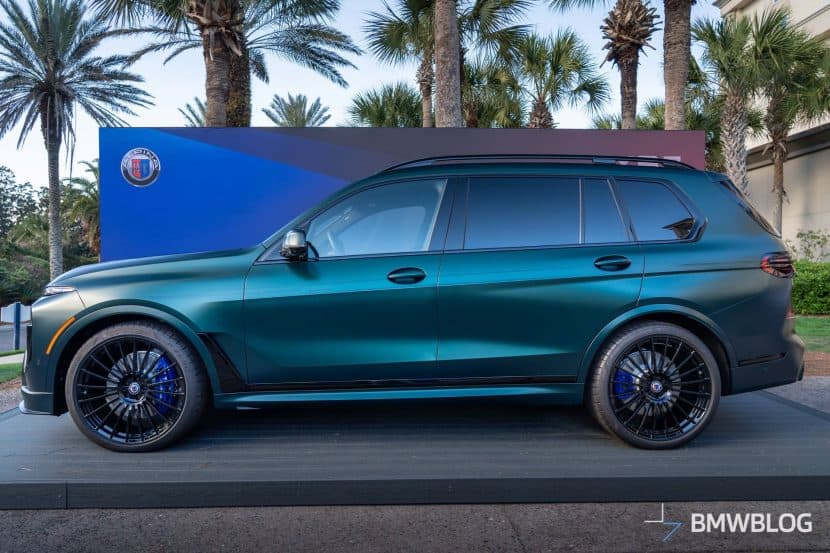
Instead, BMW pivoted to the XM, a hulking crossover SUV that the company had the audacity to market as the M1’s spiritual successor. A mid-engined Italian-designed supercar reborn as a 6,000-pound luxury truck — that’s not a successor, that’s a hostage negotiation with the balance sheet.
The XM has been a slow-motion disaster. BMW has already axed the base model for 2026 and slashed prices on the XM Black Label. The car that replaced the M1’s dream slot couldn’t even hold its own in a segment BMW created for it.
So now we’re back to executives waxing poetic about the original. Van Meel’s comments are the kind of thing that sounds great in an interview and means absolutely nothing on a product planning board. BMW knows exactly what a new M1 would cost to develop — a bespoke mid-engine platform, low volume, enormous certification expenses — and the math hasn’t changed since they killed the Vision M Next.
The automotive landscape has only gotten more hostile to passion projects. BMW is simultaneously navigating an electric transition, preparing an all-new electric M3 that van Meel himself recently called “amazing to drive,” and managing a product portfolio that already stretches across dozens of nameplates. Every engineering dollar has a line item attached to it, and a halo supercar competing against the Ferrari 296, McLaren 750S, and Lamborghini Temerario is a fight BMW has no infrastructure to win.
That’s the quiet truth behind every “we’d love to” quote from Munich. The original M1 was a product of collaboration with Lamborghini that nearly bankrupted the project. Only 453 were built between 1978 and 1981. It became a legend precisely because it was a beautiful accident that BMW never repeated.
There’s also the question of what a modern M1 would even be. Combustion? Hybrid? Fully electric? BMW just confirmed the next M3 won’t be a hybrid, which suggests the company is still sorting out its own powertrain theology. Committing to a supercar architecture when you can’t decide what powers your bread-and-butter sedan seems premature at best.
Van Meel is a car guy running an enthusiast division inside a publicly traded company answering to shareholders who care about margins on X3s, not track times at the Nürburgring. His love for the M1 is genuine. His ability to act on it is essentially zero.
BMW will keep teasing. They’ll show concepts, drop hints at Monterey Car Week, and let executives say the right things in carefully staged interviews. The M1’s ghost is too valuable as mythology to risk building a car that might not live up to it — or worse, that might sell like the XM.
The original M1 was lightning in a bottle. BMW keeps holding up the empty bottle and asking everyone to admire it.


Share this Story