
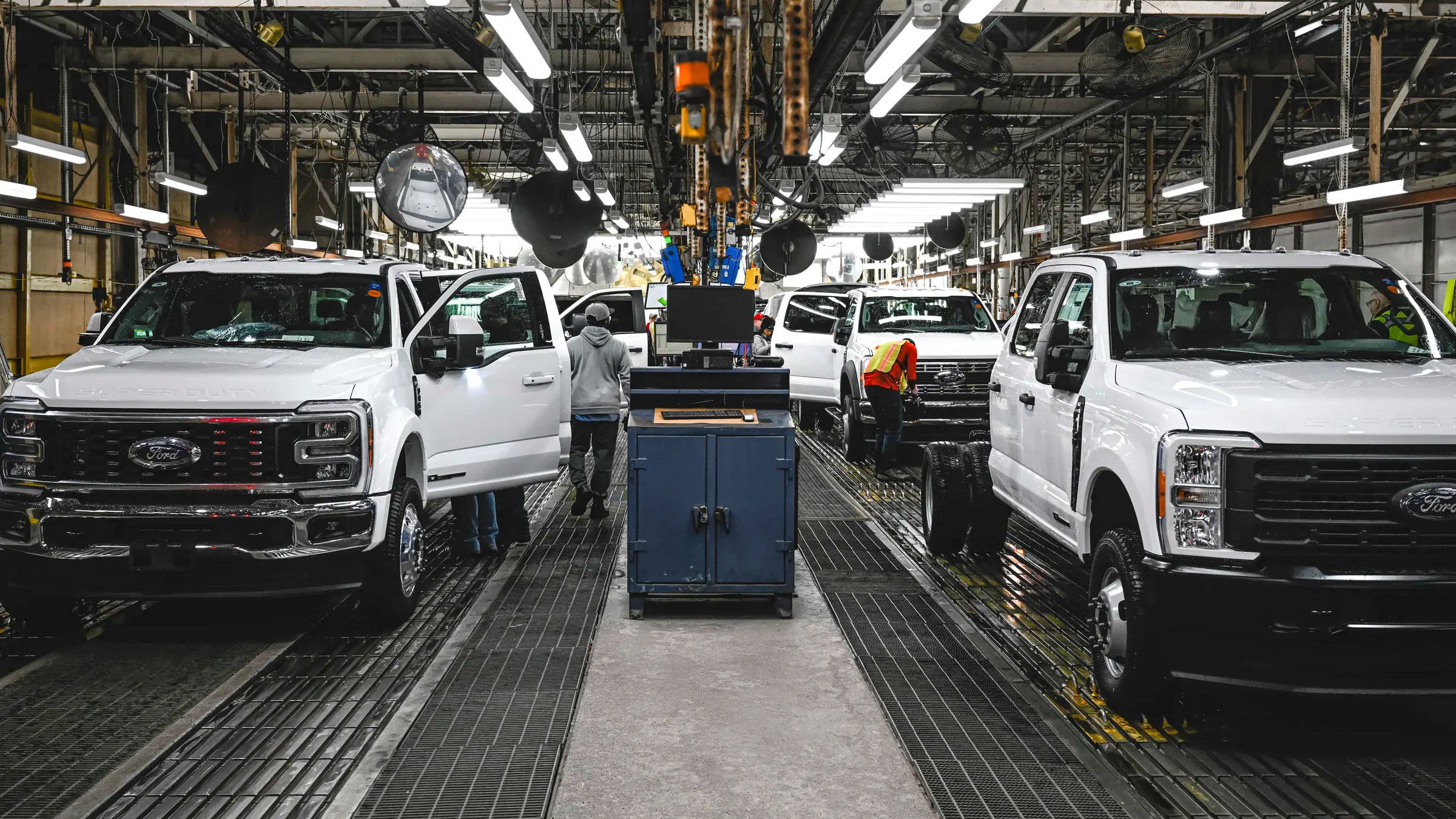


The Novelis aluminum plant in Oswego, New York, finally restarted production this week, ending a nine-month supply drought that forced Ford to scramble for one of the most critical materials in its truck-building empire.
The plant supplies aluminum sheet to multiple automakers but is particularly vital to Ford’s F-150 and Super Duty programs. It went dark last fall after multiple fires disrupted operations. For the better part of a year, Ford has been limping along, importing aluminum from overseas suppliers at significantly inflated costs, made worse by new tariffs and ongoing conflict in the Middle East.
That’s a brutal combination for the company that bet its entire truck franchise on aluminum bodies starting with the 2015 F-150.
Ford made that famous pivot more than a decade ago, shedding roughly 700 pounds from its best-selling vehicle by switching from steel to military-grade aluminum alloy. It was a bold, expensive gamble that paid off handsomely in fuel economy and capability. But it also created a dependency, one that a plant fire in upstate New York just exposed in painful detail.
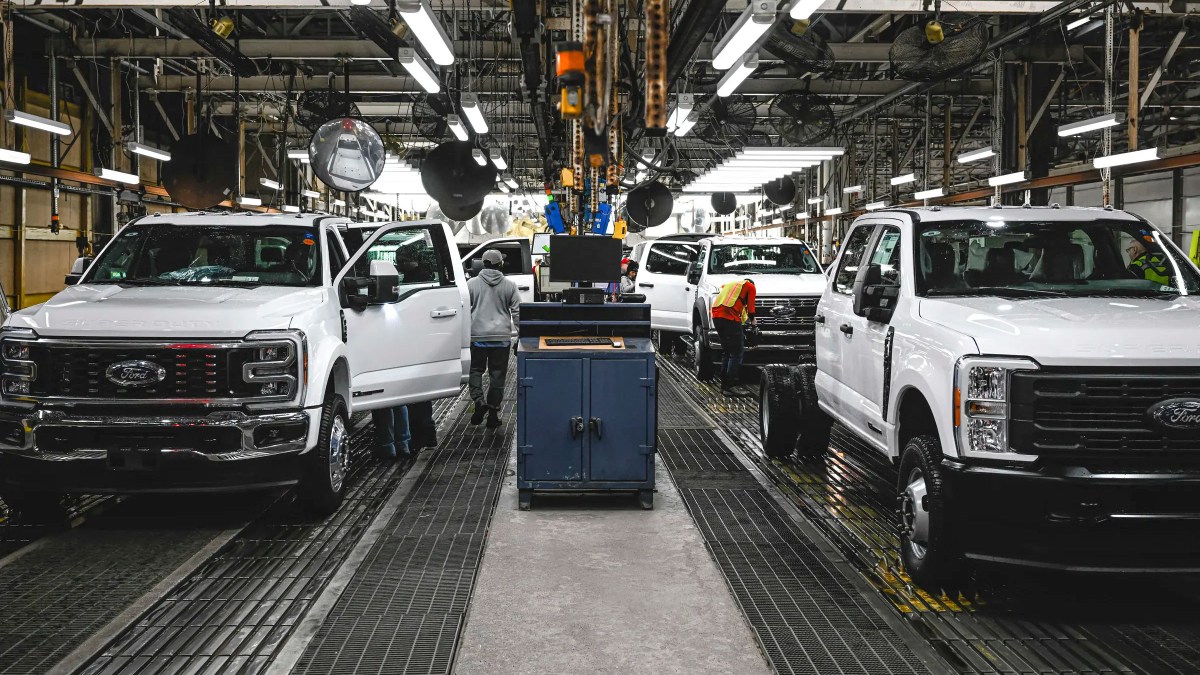
The supply crunch constrained production of Ford’s most profitable vehicles at exactly the wrong time. Full-size pickups remain the cash engines that fund everything else in Dearborn, from EV development to the new Super Duty platform. Every unit Ford couldn’t build was money left on the table.
Importing aluminum as a stopgap was never going to be cheap, but the current trade environment turned it into something closer to punitive. Tariffs on imported metals have ratcheted up over the past year, and shipping costs remain elevated thanks to instability in Middle Eastern shipping lanes. Ford absorbed those costs or passed them along, and neither option is painless when you’re selling trucks by the hundreds of thousands.
The Novelis restart should begin easing pressure in the coming weeks, though the plant won’t snap back to full capacity overnight. Restarting aluminum rolling operations after an extended shutdown involves recalibrating equipment, rebuilding inventory buffers, and qualifying output before it gets stamped into truck panels. Ford’s supply chain team has been through this drill before, but never for this long.
The episode raises a question Detroit would rather not answer: how resilient is the aluminum supply chain that now underpins America’s best-selling vehicle? A single plant going offline shouldn’t be able to rattle a $50 billion truck business for the better part of a year. Yet here we are.
Ford isn’t alone in feeling the sting. Other automakers source from Novelis too, though none are as exposed as the company that builds more aluminum-bodied trucks than anyone else on the planet. GM and Ram still rely heavily on steel for their full-size pickups, a fact that looked old-fashioned in 2014 and looks rather prudent in 2026.
The restart is welcome news for Ford dealers sitting on thin truck inventory and for buyers who’ve been paying over sticker for months. But the vulnerability isn’t theoretical anymore. It played out in real time, over nine long months, and the bill in lost production, higher material costs, and constrained dealer lots won’t be tallied for quarters to come.





Share this Story