
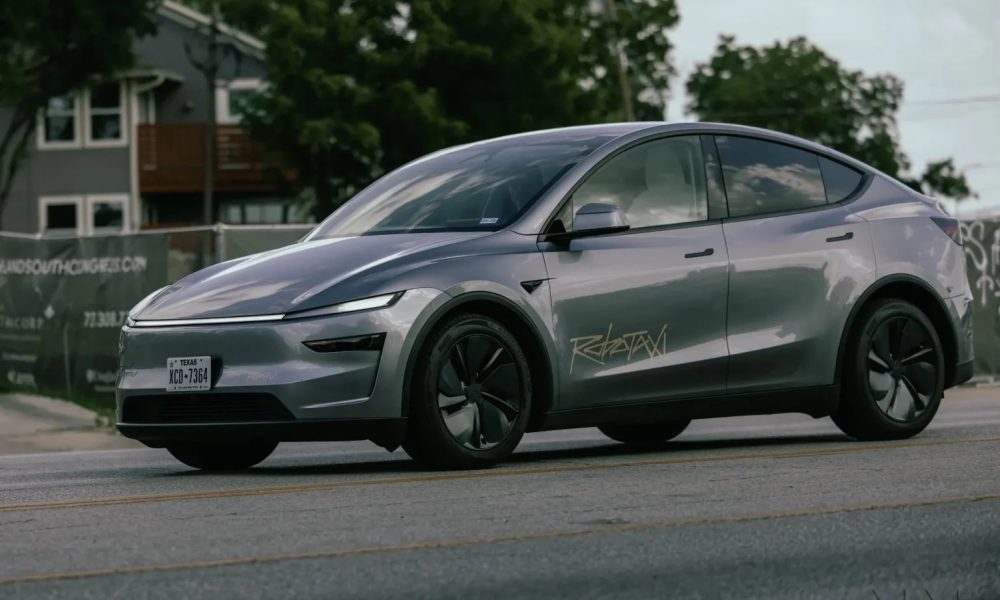


Two low-speed crashes disclosed by Tesla to the National Highway Traffic Safety Administration share an awkward common thread: neither was caused by the autonomous driving system. Both were caused by human teleoperators remotely steering the vehicle.
The first incident dates back to July 2025, weeks after Tesla launched its Robotaxi service in Austin. The car’s self-driving system got stuck trying to move forward on a street. A remote operator took the wheel, eased the car left, hopped a curb, and hit a metal fence.
The second, in January 2026, played out similarly: the system flagged it needed help navigating, a teleoperator took over from a stop, and drove into a temporary construction barricade at roughly 9 mph. No passengers were aboard either vehicle. No injuries. Damage amounted to a scraped fender and some wounded pride.
Tesla had previously redacted these reports. This week, the company decided to unredact all 17 Robotaxi incidents logged since the Austin launch last summer. Most of the other crashes involved Tesla vehicles being hit by other drivers.
Two involved the autonomous system clipping side mirrors on parked cars. One Robotaxi struck a dog that ran into the road — the dog was fine. Another botched an unprotected left turn into a parking lot and caught a metal chain.
The teleoperator detail matters. Tesla has told lawmakers these remote pilots are only authorized to drive below 10 mph for repositioning maneuvers — pulling a stuck car out of an awkward spot so a tow truck or field tech doesn’t have to roll out. The company framed it as a practical safety valve.
That two of the self-caused incidents happened under human control, not machine control, is a data point regulators will chew on carefully.
Waymo and Zoox have reported more total crashes, but they also operate larger fleets. Tesla’s Austin deployment remains deliberately small. CEO Elon Musk said last month that “making sure things are completely safe” is the primary bottleneck to expansion, calling the company’s posture “very cautious.”
The timing of the disclosure is not accidental. NHTSA recently closed a separate investigation into Tesla’s Full Self-Driving software repeatedly striking parking-lot obstacles like bollards and chains — a category of mistake that also triggered a Waymo recall last year. Transparency now, while regulators are watching closely, is a strategic move.
Meanwhile, Tesla is quietly building infrastructure that suggests it expects the Austin experiment to scale fast. Permit filings show the company is converting a 36,000-square-foot warehouse near Las Vegas into a dedicated Cybercab car wash — a fully automated cleaning and maintenance hub designed to cycle driverless vehicles through servicing with minimal human involvement. Sources suggest similar facilities may follow in Texas.
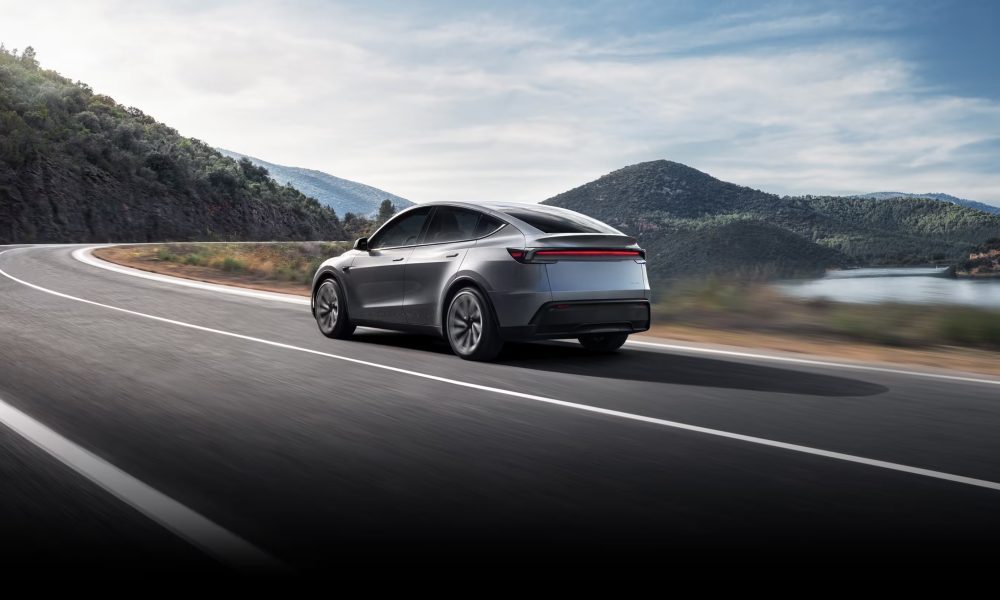
At Gigafactory Berlin, Tesla just doubled down with an additional $250 million investment in 4680 battery cell production, pushing on-site capacity to 18 gigawatt-hours annually and adding 1,500 battery jobs. A 20 percent increase in Model Y production starts in July. The plant is hiring 1,000 workers and converting 500 temps to permanent roles.
The picture that emerges is a company building at enormous scale while its most ambitious product — the driverless taxi — is still learning to navigate construction barricades at walking speed. Seventeen incidents in roughly ten months of operation, most not Tesla’s fault, is a reasonable safety record for an infant autonomous fleet.
But the gap between Tesla’s manufacturing velocity and its Robotaxi’s operational caution tells you everything about where the real risk lives. The factory side is in Plaid Mode. The autonomy side is still crawling at 9 mph, sometimes into a barricade.
Share this Story