
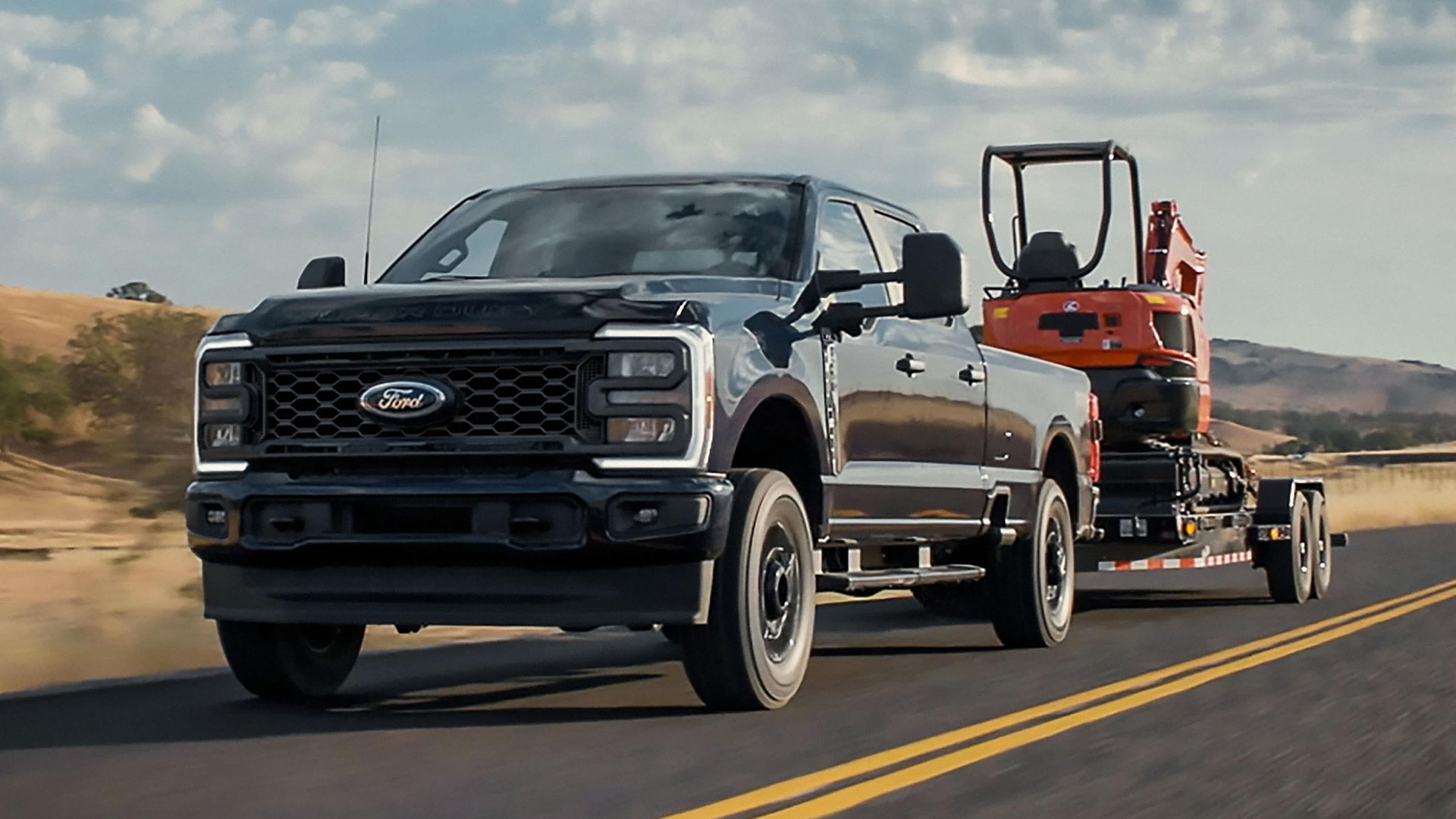


The 6.8-liter V8 in the Ford Super Duty is dead. Introduced only in 2023, it’s already been axed from the lineup for 2027, replaced as the standard gas engine by the bigger, meaner 7.3-liter “Godzilla” V8. That’s one of the shortest production runs for a base engine in recent Ford truck history.
A 2027 Super Duty order guide first surfaced on Ford Truck Enthusiasts, and Ford confirmed the change directly to The Drive. To better align with the needs of our customers, we are making the Ford 7.3L V8—our most powerful and popular gas engine—the standard gas engine across our Super Duty lineup,” a Ford spokesperson said.
The 6.8-liter was a destroked version of the 7.3, producing 405 horsepower and 445 lb-ft of torque. Perfectly adequate for heavy-duty work. But the Godzilla puts out 430 hp and 485 lb-ft, and at just a $1,000 upcharge, customers were voting with their wallets.
Enough of them—and crucially, enough dealers—chose the bigger engine to make the smaller one expendable.
Nobody complained much about the 6.8. It didn’t fail. It just got ignored at the order bank.
In the heavy-duty truck world, “good enough” has never been a compelling sales pitch when “more” is sitting right next to it on the options sheet.
Ford isn’t stopping there. The standard-output 6.7-liter Power Stroke diesel is also gone. The version that made 475 horsepower and 1,050 lb-ft of torque has been replaced entirely by what was previously the high-output option, now the sole diesel offering at 500 hp and 1,200 lb-ft.
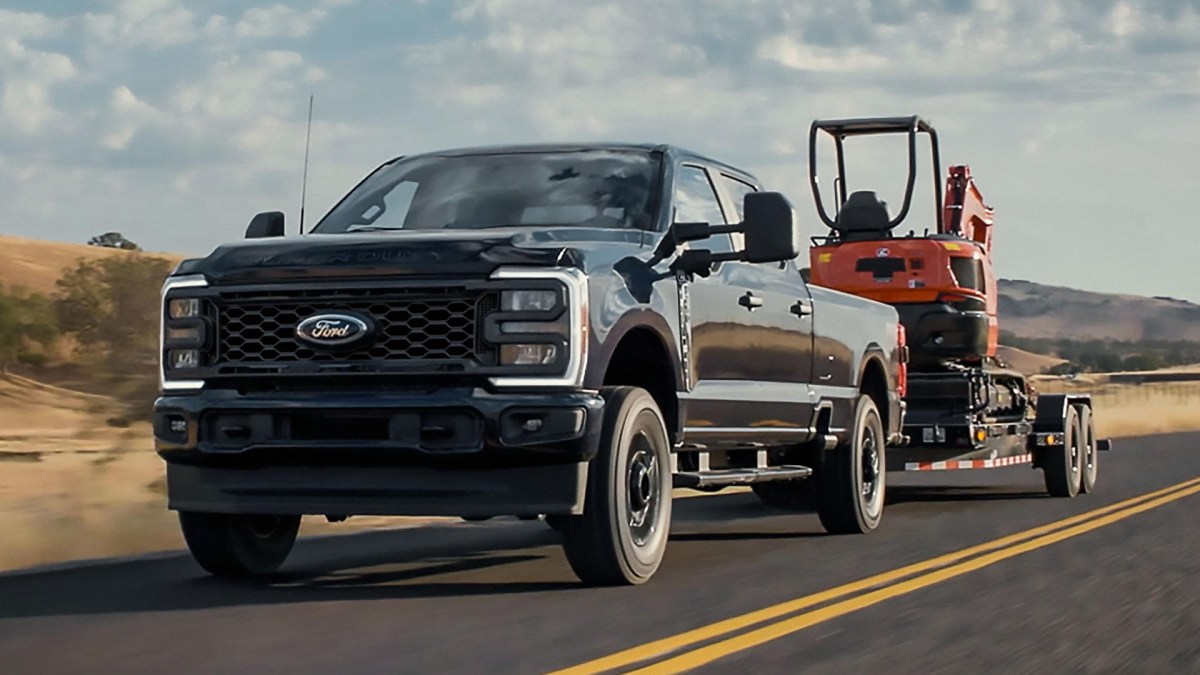
That engine carried a $2,500 premium over the base diesel. Now it’s just the diesel, period.
Ram pulled the same move for 2025, dropping its lower-output Cummins in favor of the more powerful version as standard. There’s a pattern forming across the heavy-duty segment: consolidate around the top-tier powertrain, simplify the lineup, and bake the upgrade cost into the base price.
This is smart business dressed up as customer service. Ford gets to streamline production by cutting two engines from the Super Duty program simultaneously. Fewer variants mean fewer assembly complications, fewer parts to stock, and fewer warranty headaches.
The price of those formerly optional engines doesn’t vanish—it gets folded into the truck’s MSRP, where it’s less visible and less negotiable.
Super Duty buyers won’t shed tears. The people shopping F-250s and F-350s are towing fifth wheels, hauling equipment, and running commercial fleets. They want the strongest thing available and they’ll pay for it. Ford just removed the step where they had to ask.
Four years is all the 6.8-liter got. It did nothing wrong except exist in the shadow of an engine people liked better. In the truck wars, that’s a death sentence.



Share this Story