
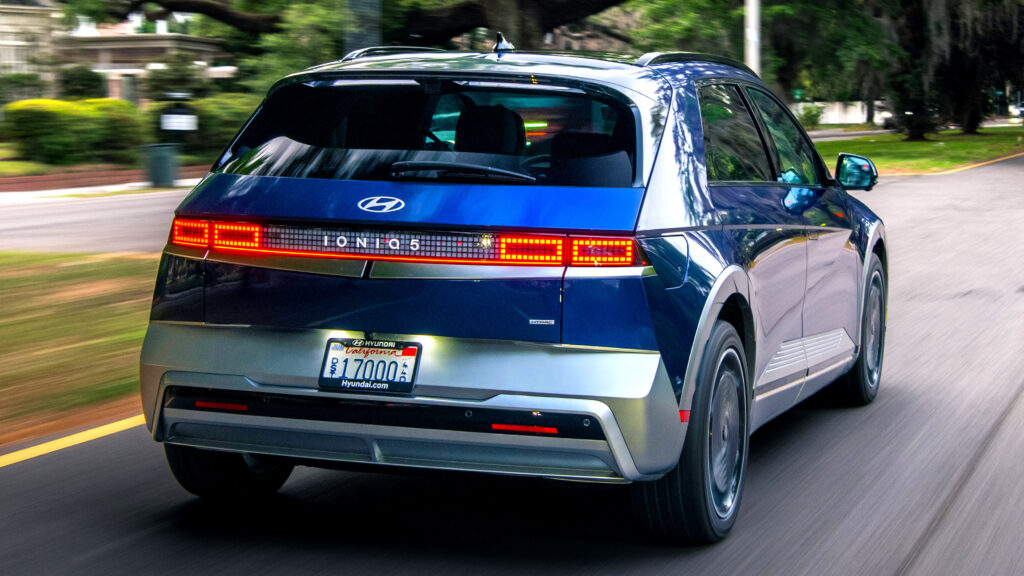


Hyundai just stretched warranty coverage on the Integrated Charging Control Unit to 15 years or 180,000 miles for certain U.S. electric vehicles. That’s a 50 percent jump over the previous 10-year, 100,000-mile powertrain protection. And it still might not be enough.
The ICCU is the EV equivalent of an alternator. It converts high voltage to low voltage, keeps the 12-volt battery alive, and manages onboard charging. When it fails, the car can lose power mid-drive, refuse to charge, or simply brick itself. Two recalls in 2024 covering roughly 146,000 Hyundai, Kia, and Genesis EVs confirmed the scope of the problem.
Hyundai’s statement to multiple outlets was polished and deliberate: “Customer safety and confidence remain our top priorities.” The automaker encouraged owners experiencing warning lights, reduced power, or charging issues to visit their local dealer and check VIN status through an online lookup tool.
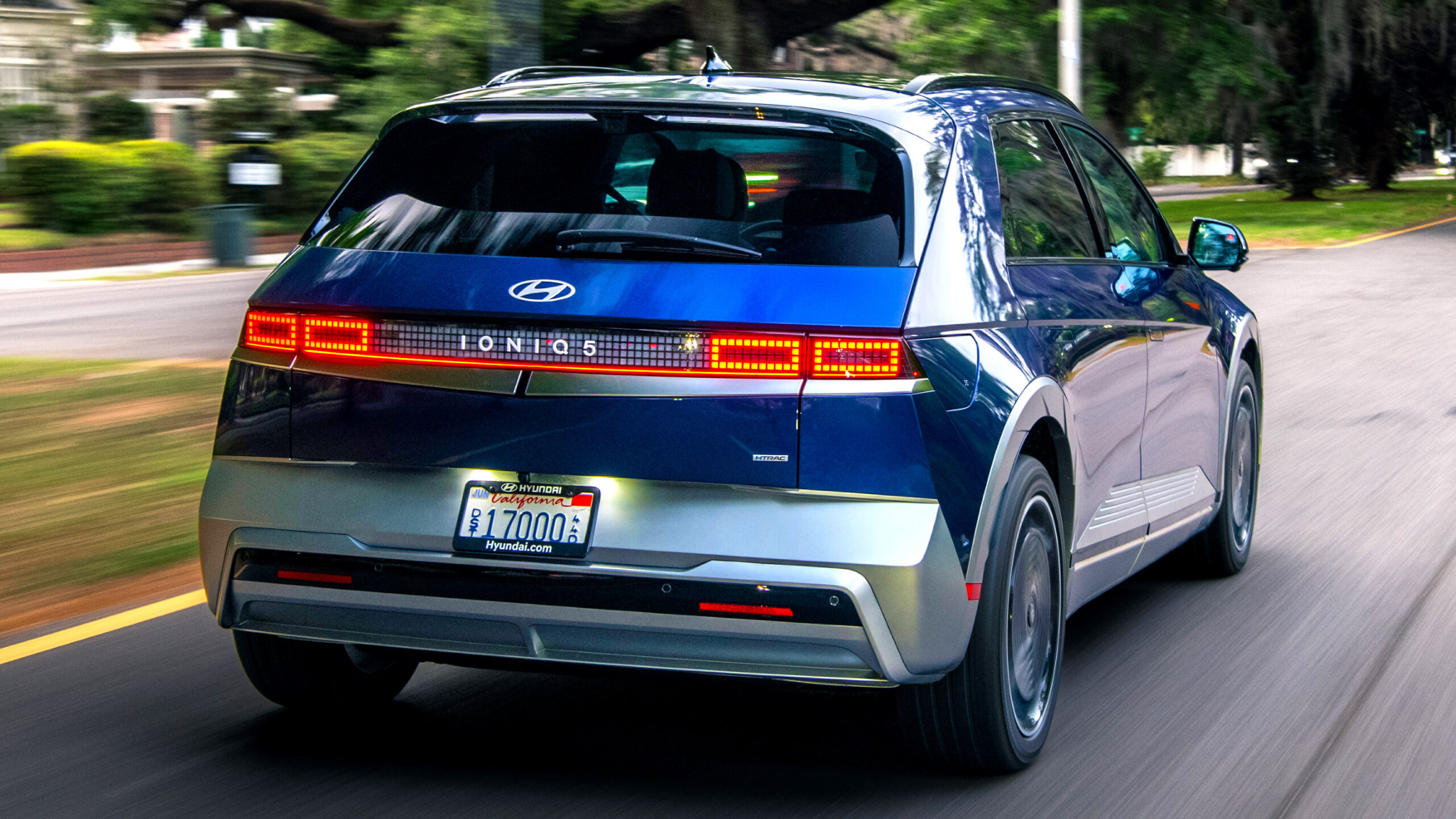
Here’s where it gets sticky. Owners who actually try the VIN tool are reporting it shows nothing. Multiple Ioniq 5 owners with 2022, 2023, and even 2025 models say no ICCU campaign appears when they enter their vehicle identification numbers. A warranty extension that owners can’t verify might as well not exist.
Kia, which shares the same E-GMP platform and the same ICCU hardware, told Electrek it would “update our dealers and EV6 owners on a similar program in the coming days.” Genesis hasn’t said a word. Three brands, one defective part, and only one has publicly committed to extended coverage so far.
The failure rate is disputed. Some owners cite figures as high as 10 percent. Electrek pegs it closer to 1 percent. Either number is troubling for a component that can leave a family stranded without warning.
The real pain point isn’t just the failure itself — it’s the aftermath. Replacement parts have been backordered for months. Some owners report multiple ICCU replacements on the same vehicle, each one eventually failing again.
That’s the question Hyundai hasn’t answered: did they actually fix the part? Extending a warranty is an acknowledgment that a problem exists. It is not evidence that the problem has been solved. A new lawsuit is pressing exactly this point, and Hyundai has yet to respond.
Fifteen years of coverage sounds generous until you realize it may just mean 15 years of potential dealer visits, loaner cars, and anxious highway drives wondering if the dash is about to light up like a Christmas tree. The warranty doesn’t eliminate the defect. It subsidizes living with it.
Hyundai, Kia, and Genesis build genuinely excellent electric vehicles. The Ioniq 5, EV6, and GV60 have earned praise for their design, performance, and value. That makes the ICCU saga more frustrating, not less. These aren’t marginal products from marginal companies. They’re vehicles good enough to deserve better components.
The extended warranty is a step. But owners aren’t asking for more time. They’re asking for a part that works.
Until Hyundai can demonstrate that replacement ICCUs are fundamentally different from the ones that failed, a longer warranty is just a longer leash on the same problem. Some owners are already walking away from the brand entirely. The ones who stay deserve a VIN tool that actually works and a straight answer about whether the fix is real.


Share this Story