
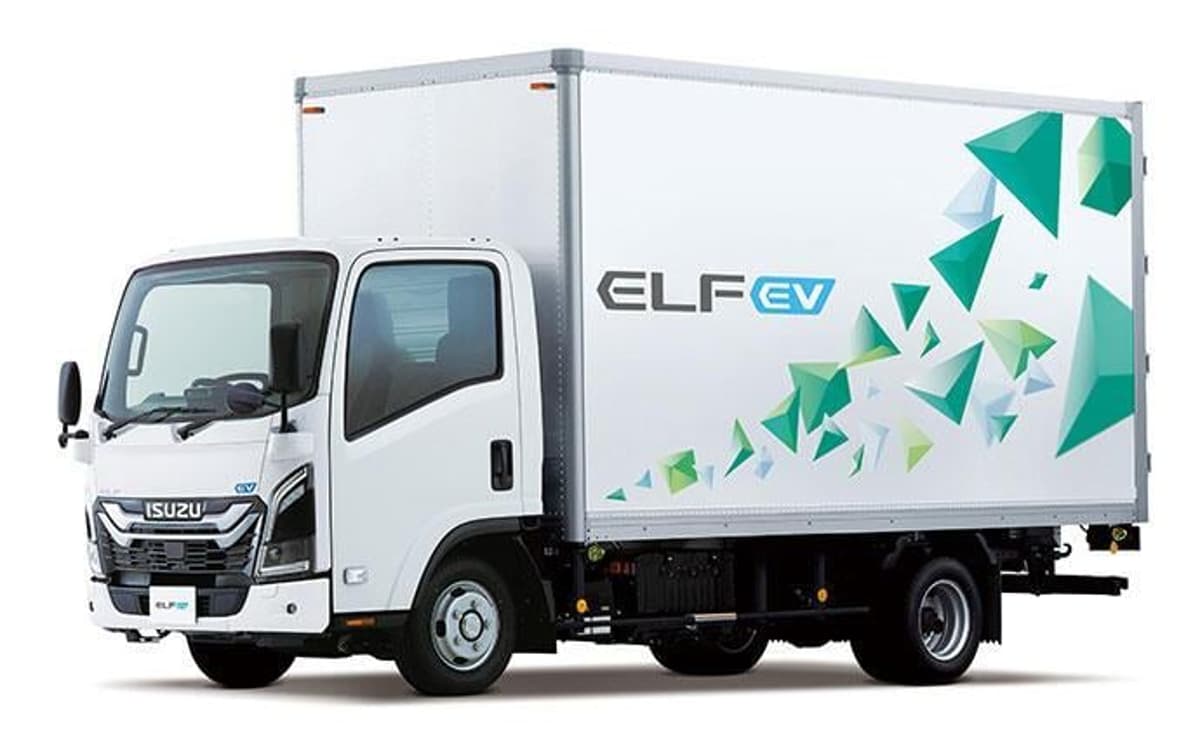


Toyota and Isuzu have agreed to jointly develop what they’re calling Japan’s first mass-produced light-duty fuel cell electric truck. The announcement pairs the world’s largest automaker with Japan’s dominant commercial vehicle manufacturer in a bet that hydrogen, not batteries alone, will define the future of urban freight.
Details remain thin. Toyota’s release is heavy on ambition and light on specifications, timelines, and pricing. That’s the usual formula when two corporate giants want credit for a handshake before the engineering is done.
Toyota has spent decades and billions defending hydrogen fuel cell technology against a market that has largely moved toward battery electric vehicles. The Mirai sedan, now in its second generation, remains a niche product with negligible sales volume outside of government fleets and subsidized lease programs. Hydrogen refueling infrastructure in Japan, once the centerpiece of a national strategy, has stalled. Stations are closing, and public enthusiasm is muted at best.
So Toyota is pivoting the pitch. If passenger cars won’t carry the hydrogen torch, maybe trucks will.
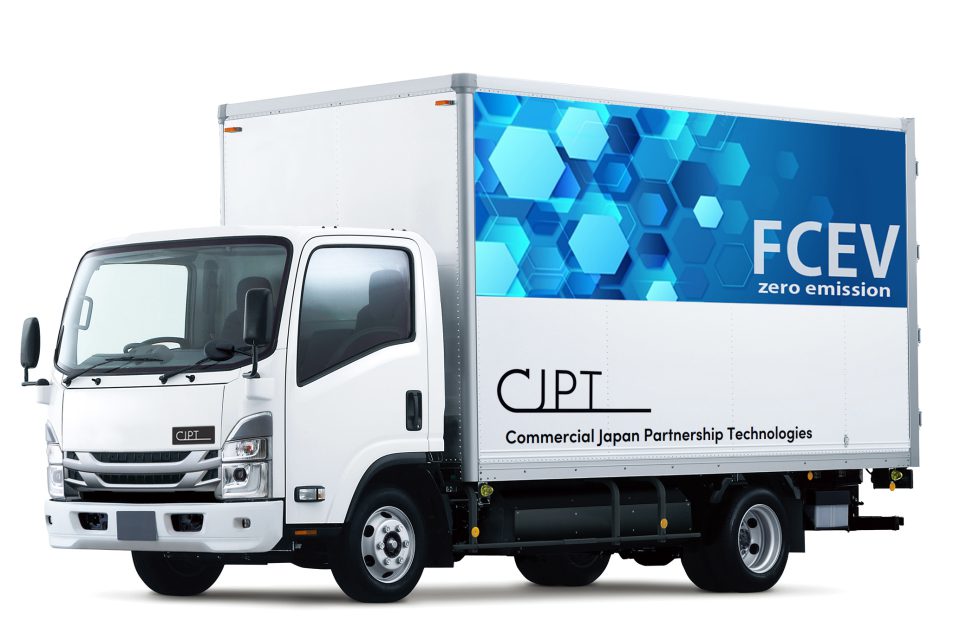
Light-duty trucks are the workhorses of Japanese logistics — delivery vans, refrigerated units, construction haulers. They run fixed urban routes with predictable mileage, which partially solves hydrogen’s chicken-and-egg infrastructure problem. A fleet operator doesn’t need a thousand stations. It needs one, at the depot.
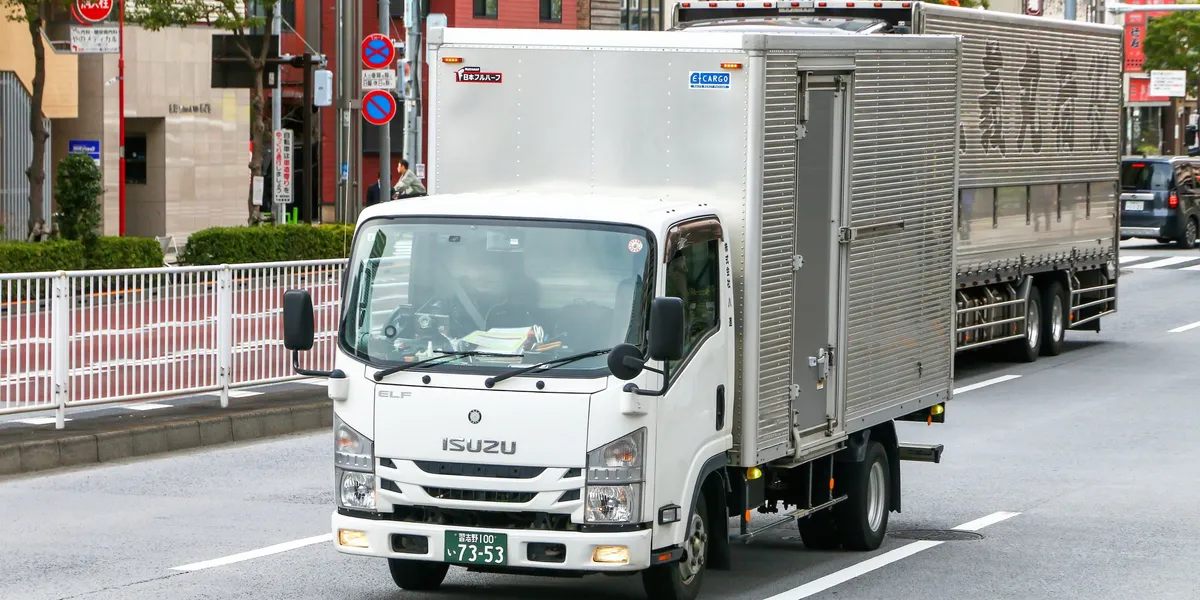
Isuzu brings the truck expertise Toyota lacks. Its Elf series dominates the Japanese light-duty segment the way the Camry once owned American midsize sedans. What Isuzu doesn’t have is a mature fuel cell powertrain, and that’s exactly what Toyota has been refining into commercial relevance for over 30 years.
The partnership also reflects a broader consolidation pattern in Japanese commercial vehicles. Toyota already holds a stake in Isuzu, and the two companies previously established the Commercial Japan Partnership Technologies corporation, known as CJPT, alongside Hino and Suzuki. CJPT was designed to accelerate carbon-neutral transport solutions, and this fuel cell truck is the latest product of that framework.
But here’s the tension no press release will acknowledge: battery electric light-duty trucks are already arriving. Chinese manufacturers like BYD and Foton are shipping them now, at competitive prices, with proven technology. Mitsubishi Fuso’s eCanter has been on the road for years.
The electricity grid exists. The charging hardware is commoditized. Hydrogen, by contrast, still requires expensive production, compression, transportation, and specialized dispensing equipment.
Toyota and Isuzu are betting that fuel cells offer advantages batteries cannot match in commercial duty cycles — faster refueling, longer range under load, less payload penalty from heavy battery packs. Those arguments have theoretical merit. Whether they survive contact with real-world fleet economics is another question entirely.
Japan’s government continues to back hydrogen as a pillar of its energy strategy, which means subsidies and regulatory tailwinds will likely smooth the path for this truck. That political support is not a small factor. It may, in fact, be the decisive one.
The joint development announcement contains no confirmed production date, no target pricing, no range figures, and no indication of when prototypes will hit public roads. It is, for now, a statement of intent from two companies that need each other. Toyota needs to prove hydrogen has a commercial future, and Isuzu needs to hedge against electrification it cannot afford to lead alone.
The truck itself will eventually have to answer the only question that matters: can it do the job cheaper and better than a battery? Everything else is corporate theater.
Share this Story