


Five years ago, the destination charge on a full-size pickup truck was a line item most buyers glossed over. It was background noise, a cost of doing business, somewhere south of $2,000. Not anymore.
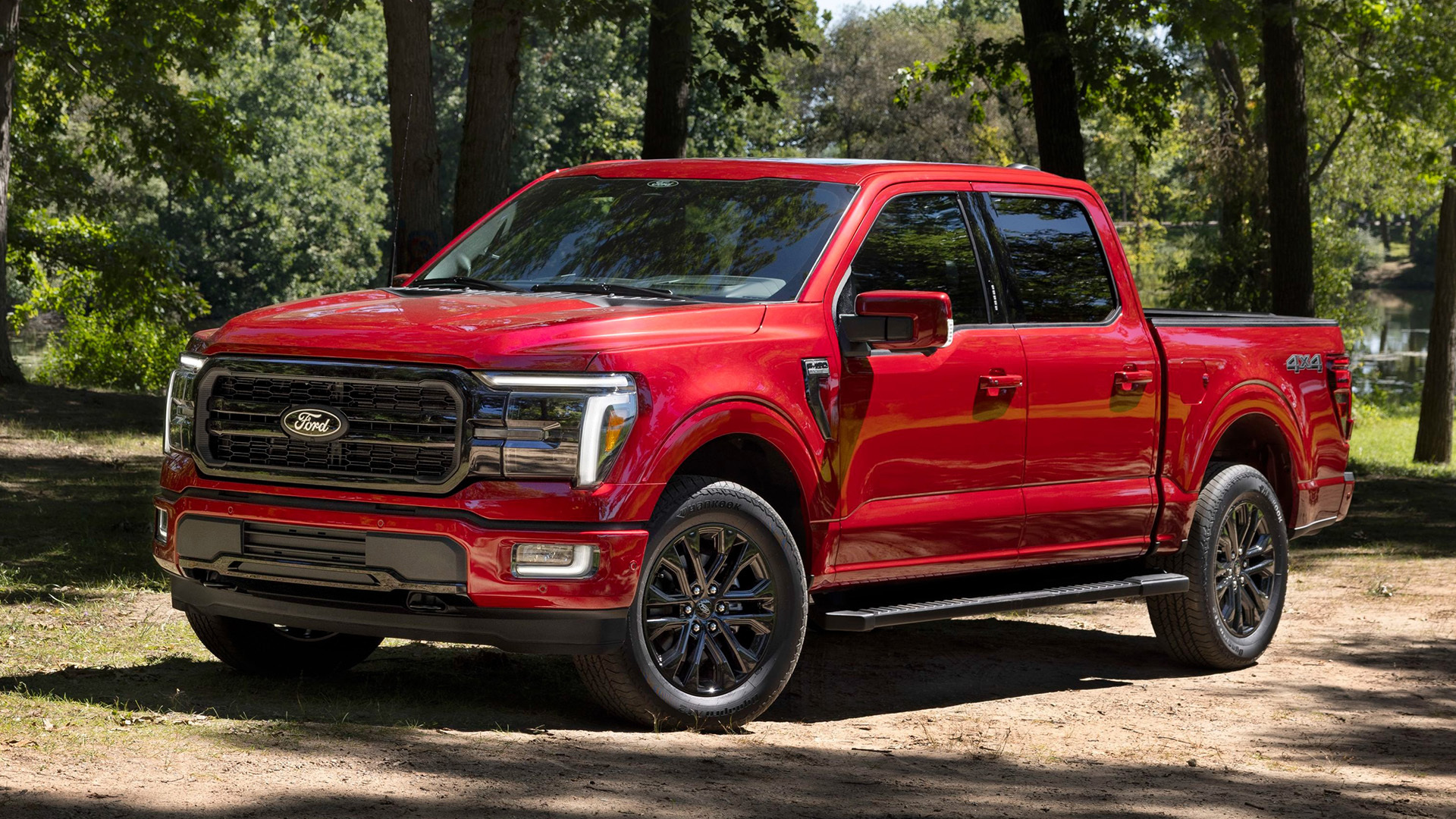
Ford and General Motors have bumped destination fees on their full-size pickups, heavy-duty trucks, and full-size SUVs to $2,795. That’s a 48% increase since 2021, and it applies across the board — F-150, Silverado 1500, Sierra, Super Duty, Expedition, Tahoe, Suburban, and their luxury siblings at Lincoln and GMC. Cadillac, never one to be outdone, tacks on $2,895 for the Escalade.
The fee is mandatory. Non-negotiable. Every buyer pays it whether their dealer is five miles from the assembly plant or five hundred.
TFL Truck first spotted the increase through online configurator screenshots, and both automakers confirmed the new numbers without offering much explanation. Ford’s spokesperson delivered the kind of corporate non-answer that’s become standard: “These charges, which reflect factory to dealer vehicle shipping costs, are reviewed and adjusted as necessary to keep consistent with the industry.” GM’s version was equally bland: “We review and adjust destination and freight charges in relation to market conditions and costs.”
Neither company cited tariffs, fuel costs, carrier shortages, or any specific pressure point. Just “market conditions.” That vagueness is telling when you consider the current trade environment and the relentless upward pressure on transaction prices that has defined the truck market since the pandemic.
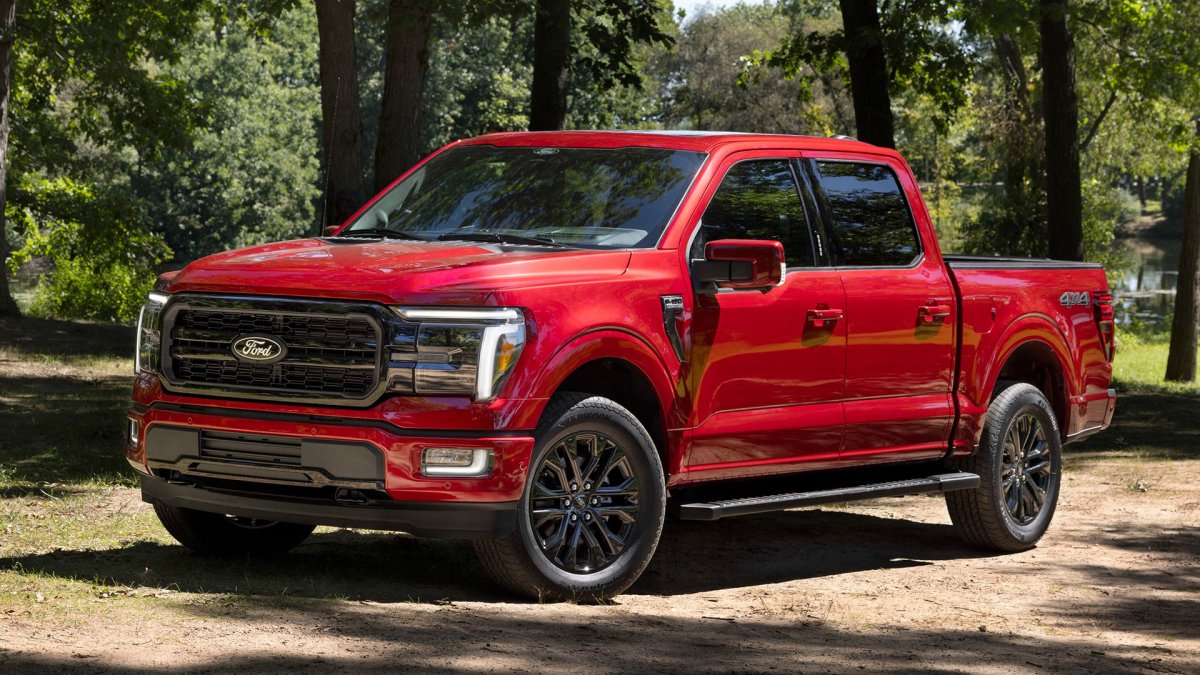
Ram and Toyota haven’t followed — yet. The Ram 1500 carries a $2,595 destination charge, and the Toyota Tundra sits at $2,095. That $700 gap between a Tundra and an F-150 is real money, though it’s easy to lose in the noise of a $60,000-plus purchase. Which, of course, is exactly the point.
Destination charges are the perfect place to bury a price increase. They don’t show up in MSRP comparisons. They don’t trigger the same sticker shock as a higher base price. And because every manufacturer charges them, consumers have been trained to accept them as unavoidable — like taxes or dealer doc fees.
Ford even frames its approach as consumer-friendly, noting it averages the cost nationally so a buyer in Dearborn pays the same as a buyer in Boise. In practice, it means someone whose dealer is a short haul from the Kansas City or Flint assembly plant subsidizes a delivery to Anchorage. The averaging also makes it impossible for any individual buyer to verify whether the charge reflects actual logistics costs or something more creative.
The smaller-vehicle comparison is instructive. Ford charges $1,495 to ship a Lincoln Corsair built in Louisville, Kentucky. The F-150 is built in Dearborn and Kansas City — the trucks are bigger and heavier, sure, but $1,300 worth of bigger and heavier? The math doesn’t add up neatly, and nobody at Ford or GM is showing their work.
What’s clear is that the ratchet only turns one direction. Destination charges have climbed steadily through supply chain chaos, inventory recovery, and now tariff uncertainty. Not once in the past five years has a major truck maker reduced this fee.
Ram and Toyota are watching. If history is any guide, they’ll match or close the gap within a model year. The truck market moves in lockstep on pricing because it can — demand remains strong, inventory remains tight relative to pre-pandemic levels, and buyers keep signing.
Nearly $2,800 just to move the truck from the factory to the lot. That’s a set of all-terrain tires. That’s a bed cover and a spray-in liner. That’s real money dressed up as a clerical line item, and it’s not going anywhere but up.



Share this Story