



Lucid Motors is pushing Apple CarPlay and Android Auto to its Gravity SUV starting March 12, plugging what had become an embarrassing gap in an $80,000-plus luxury electric vehicle. The update arrives via Lucid UX version 3.5, rolling out first in North America with Europe and the Middle East following later in March.
That these features are arriving now, months after the Gravity started reaching customers, tells you everything about how rough this launch has been.
The Gravity is, on paper, a remarkable machine. It charges at 400 kilowatts, the fastest of any EV sold in the United States. It can add 200 miles of range in 11 minutes.
It’ll travel 450 miles on a full battery. It is genuinely quick, genuinely spacious, and genuinely luxurious.
And yet its software was so broken at launch that Lucid’s interim CEO had to publicly apologize to owners. Key fobs wouldn’t respond. Screens glitched. The basics were failing while the spec sheet dazzled.
Lucid’s response was severe. The company gutted its software leadership, letting top executives go. CEO Marc Winterhoff said bluntly that he “replaced the software team.”
Then, last month, Lucid laid off 12 percent of its entire workforce, a cut first reported by TechCrunch. This is a company still trying to find its footing while burning through Saudi-backed cash.
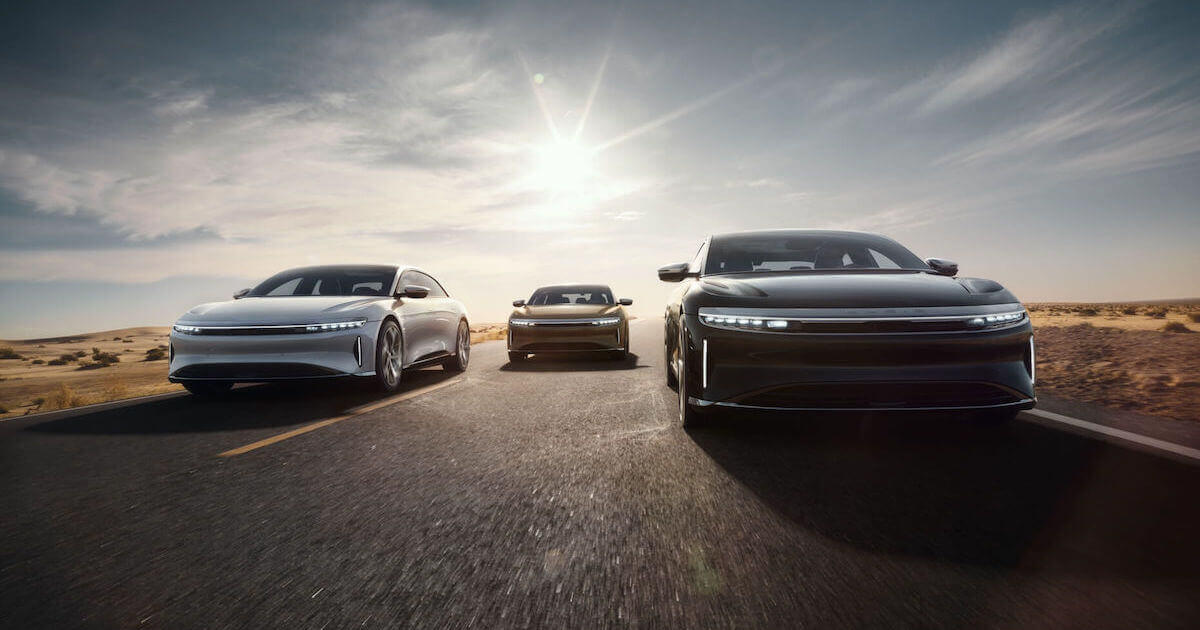
The timing of this CarPlay and Android Auto announcement is not accidental. It landed on the same day Lucid held an investor day in New York City, where the company pitched its upcoming midsize EV platform, its path to profitability, and the launch of a luxury robotaxi service with Uber and Nuro. A feel-good software update makes for a convenient headline on a day when you’re asking investors for patience.
Both wireless and wired connections are supported, displayed on the Gravity’s massive 6K-resolution Clearview Cockpit screen. New Gravity SUVs rolling off the line in Casa Grande, Arizona, now ship with the features baked in. The Lucid Air sedan has had them for some time.
Lucid’s SVP of Engineering and Software, Emad Dlala, called CarPlay and Android Auto “two of the most sought-after features by our customers.” That sentence deserves to be read twice. The most sought-after features weren’t the 400-kW charging or the 450-mile range — they were the ability to see Google Maps and Apple Music on the dashboard.
Customers will tolerate a lot, but they will not tolerate being cut off from their phones.
General Motors tried that experiment, killing CarPlay and Android Auto in favor of its own infotainment ecosystem, and has been paying for it in customer satisfaction surveys ever since. Lucid at least had the sense to course-correct, even if it took longer than it should have.
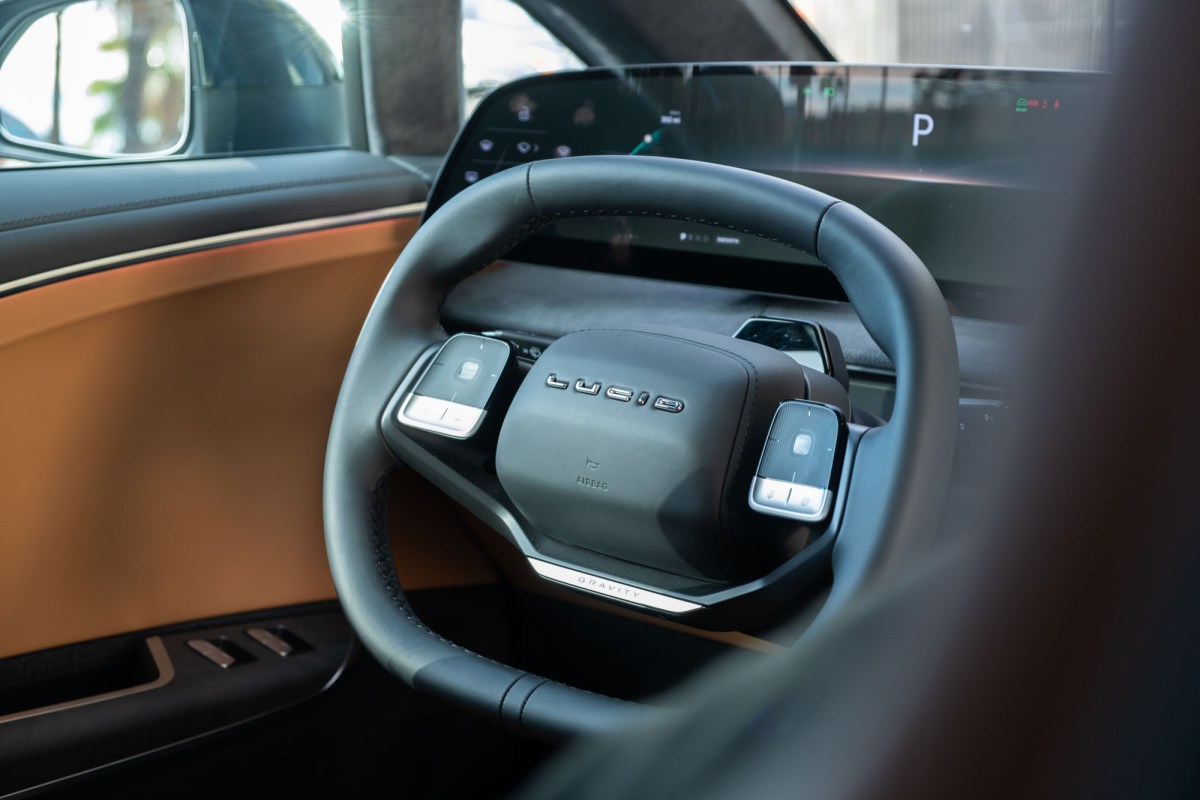
The broader picture here is a startup that builds extraordinary hardware but has repeatedly stumbled on the software that ties it all together. The Gravity’s powertrain engineering is world-class. Its charging architecture leads the industry.
But none of that matters if owners are fighting frozen screens and dead key fobs in a parking lot.
Lucid has now fixed the worst of those early bugs through successive over-the-air updates, and CarPlay and Android Auto represent a return to baseline expectations rather than any great leap forward. For a company pitching itself as the maker of “the world’s most advanced electric vehicles,” getting phone mirroring into its flagship SUV months after launch is not a victory lap. It’s a patch.
The real test comes next: the midsize platform that could bring Lucid vehicles closer to $50,000, a price point where software quality and feature completeness aren’t aspirational. They’re table stakes. Lucid has the engineering talent to build a spectacular car, but whether it can ship one that works perfectly on day one remains an open question.

Share this Story