
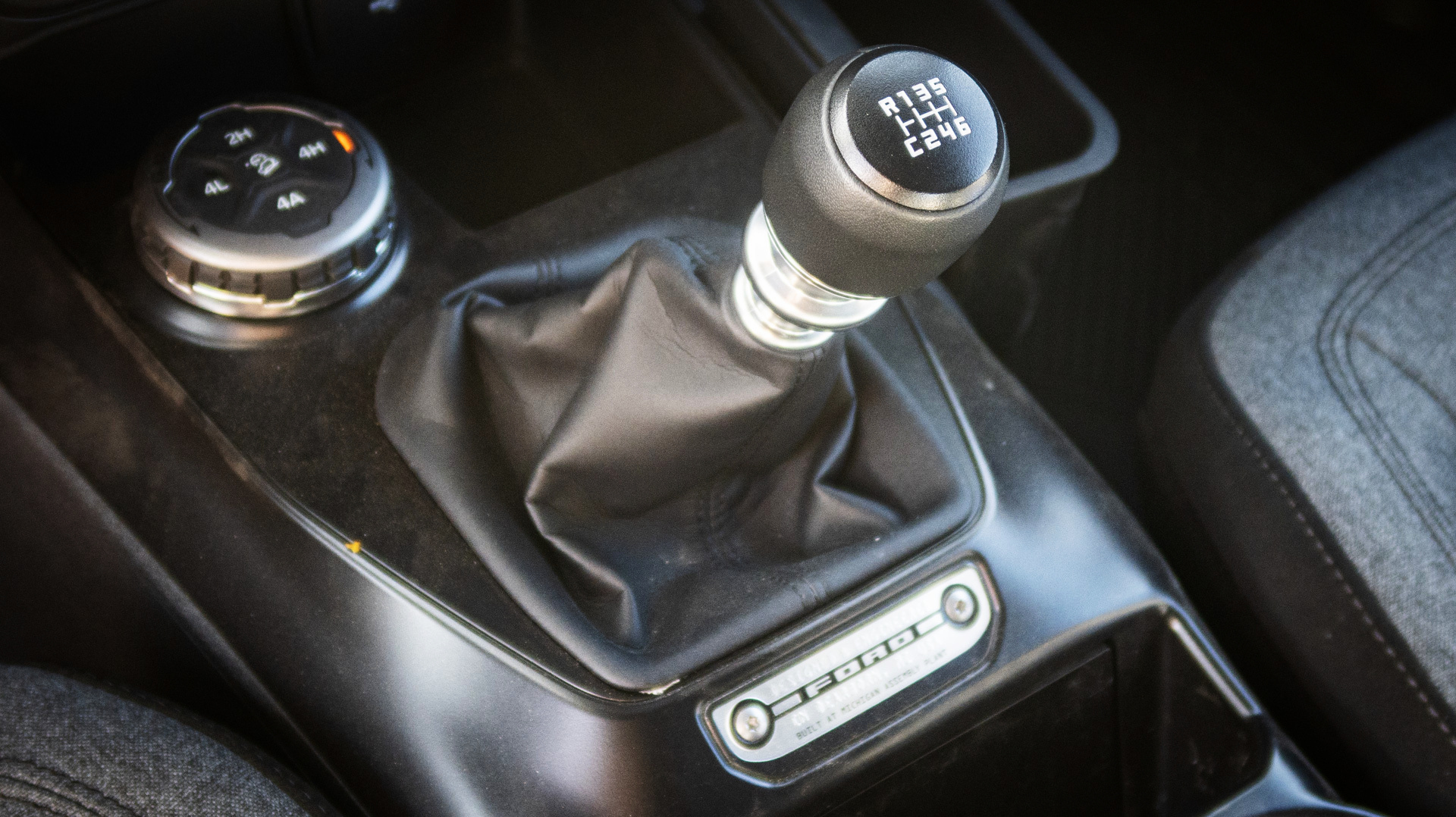


Ford’s Bronco revival has been one of the company’s most celebrated moves in years, carving out real territory against the Jeep Wrangler and giving off-road buyers something they’d been starving for. But even a hit product comes with regrets, and Ford’s is a specific one: it should have offered the Sasquatch package with the manual transmission from day one.
That’s according to Bronco development engineer Seth Goslawski, who told The Drive in an exclusive interview that the company wishes it had never separated the two in the first place.
When the Bronco launched in 2021, Ford made a big deal about its à la carte approach. Customers could bolt the Sasquatch package — with its 35-inch tires, upgraded suspension, and beefier drivetrain components — onto nearly every trim level. The catch? You had to take the automatic.
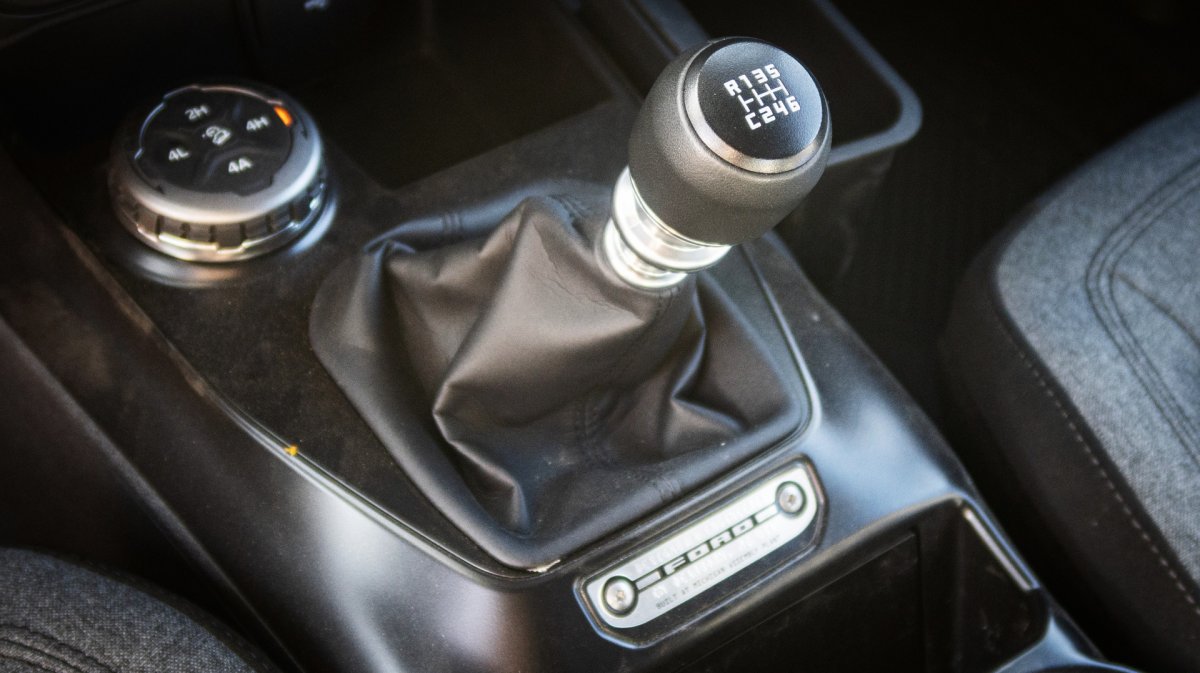
The seven-speed manual, one of the truck’s most celebrated features, was locked out of the equation entirely. For a vehicle built on the promise of letting buyers spec it however they wanted, the restriction felt like a betrayal. Enthusiasts weren’t quiet about it.
“There was almost like an outcry from all the enthusiasts,” Goslawski said. “And we reacted — pretty much within a model year.”
By 2022, Ford had reshuffled things so buyers could pair the six-speed with the Sasquatch package across multiple trims, including the base Bronco, Big Bend, Black Diamond, and Badlands. It wasn’t confined to some limited-run special edition or a $60,000 trim. Ford put it where the people actually wanted it.
Goslawski was candid about the internal reckoning. “Okay, we hear you, we should have launched with the Sasquatch manual,” he recalled thinking at the time.
There’s a well-worn cynicism in the auto industry about enthusiast demand. Forums and comment sections light up demanding manual transmissions and lightweight sports cars, but when it comes time to actually sign purchase orders, those same voices often vanish. Plenty of automakers have been burned by building what the internet asked for, only to watch it collect dust on dealer lots.
So when asked if Ford regretted reversing course on the Sasquatch manual, Goslawski didn’t hesitate. “Not at all,” he said. If anything, the only regret was not doing it sooner.
The Sasquatch saga also changed how Ford approaches the Bronco lineup more broadly. Goslawski emphasized that the company is now better prepared to pivot when customer preferences shift, rather than waiting for a full model-year overhaul to make changes.
“If you’re wanting to do something crazy, you can go get a base Bronco, check that, and build it up the way that you want to do it,” he said. The philosophy is simple: give people the building blocks and get out of the way.
Ford’s 2025 lineup consolidation represents the most significant shakeup the current-generation Bronco has received, functioning almost like a mid-cycle refresh without a full redesign. The à la carte promise that was slightly compromised at launch now genuinely delivers.
It’s a rare thing to hear an automaker openly admit a launch-day mistake and credit the customer base for forcing the correction. Most companies spin these pivots as planned all along or bury the history entirely. Goslawski’s honesty is refreshing, and it suggests that whoever is steering the Bronco program actually pays attention to the people buying them.
The manual Bronco Sasquatch didn’t just validate enthusiast demand. It proved that sometimes the loud voices on the internet actually do put their money where their mouths are. Ford listened, Ford delivered, and Ford hasn’t looked back. The only lesson? Next time, listen a little faster.

Share this Story