



Stellantis rolled out six concept cars at Paris’s Hangar Y on the eve of the 2026 Paris Motor Show, and the one that will generate the most noise isn’t the sexiest. It’s a €15,000 fully electric Citroën 2 CV, built in Europe, aimed squarely at the affordable end of a market that has been sprinting in the opposite direction for years.
CEO Antonio Filosa, Chairman John Elkann, and Enlarged Europe COO Emanuele Cappellano used the event to frame the concepts as proof that the company’s FaSTLAne 2030 strategic plan is producing real output, not just slide decks. Cappellano promised more than 50 new products by 2030 and a 25 percent expansion in European market coverage. Those are big numbers from a company that spent 2024 and much of 2025 bleeding market share and executive credibility.
The six brands represented, Alfa Romeo, Citroën, DS Automobiles, FIAT, Opel, and Peugeot, each brought a distinct concept. But the tension running through all of them is a company trying to prove it can do everything at once: cheap EVs and V6 hybrids, utilitarian pickups and grand touring coupes, accessible runabouts and bespoke luxury.
Start with the Alfa Romeo Cuorerosso. It teases a future Quadrifoglio variant powered by a 2.9-liter V6 full-hybrid with Q4 all-wheel drive and a carbon fiber driveshaft. In a world where Alfa has been reduced to a single crossover lineup, this is a declaration that the brand still wants to play in the performance space. Whether Stellantis will actually fund it is another question entirely.
The Citroën 2 CV Concept is the polar opposite. It doesn’t pretend to be exotic. It channels the original 2 CV’s philosophy of radical simplicity and pitches itself as the people’s EV.
At €15,000 and manufactured in Europe, it takes direct aim at Chinese competitors flooding the continent with low-cost electric cars. If Citroën can actually deliver this at that price point without gutting margins, it changes the conversation about who can compete at the bottom of the EV market.
FIAT brought the Multiplay, a pickup-SUV hybrid inspired by the old Multipla’s anything-goes ethos. Opel showed the STX estate concept, a nod toward wagons at a time when every other brand is chasing crossover margins. DS Automobiles unveiled the F3VER, aiming for a luxury-meets-versatility niche the brand has never convincingly occupied.
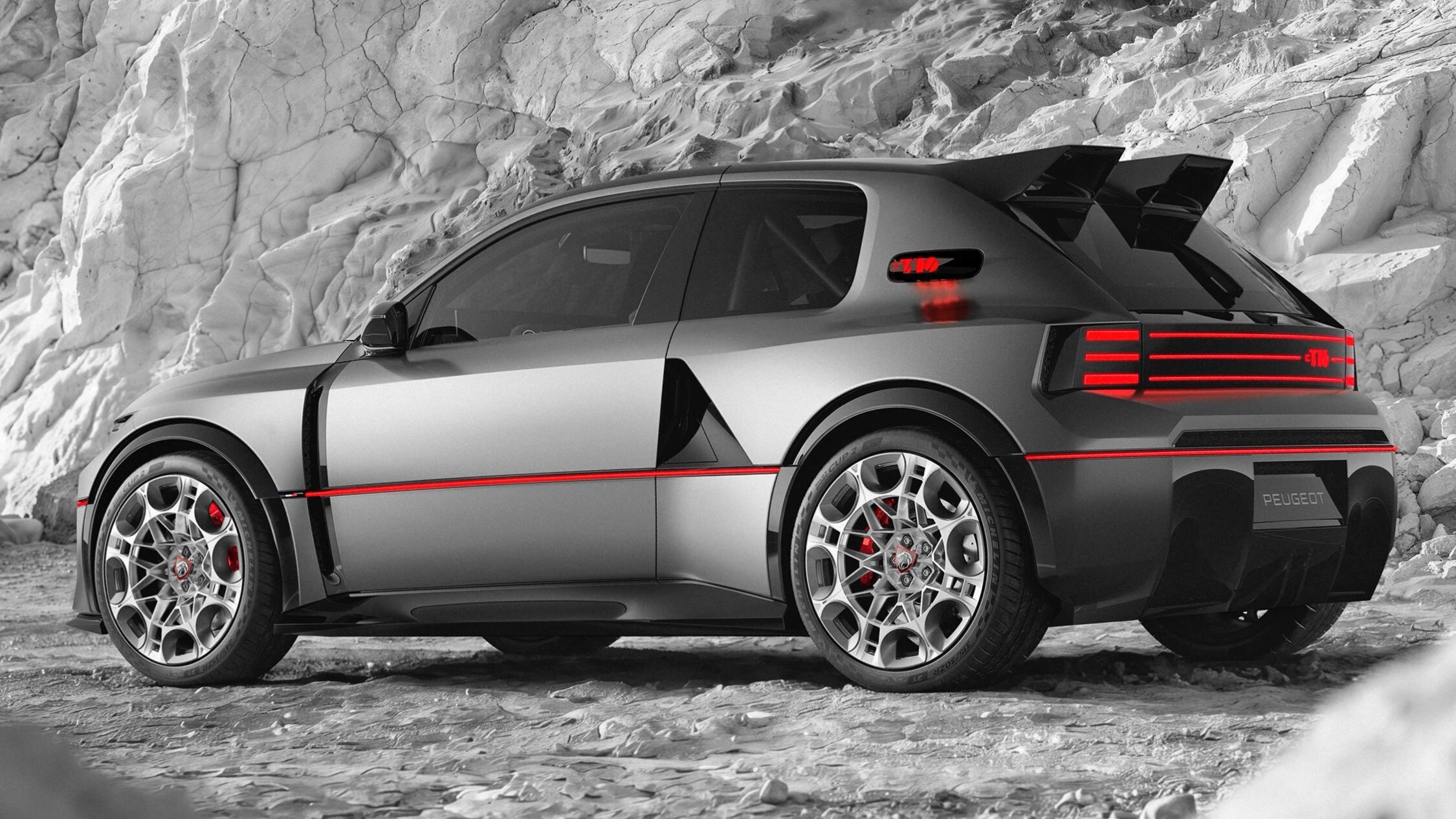
Peugeot closed with the RCZ Vision, built on the STLA One platform with steer-by-wire tech and the next evolution of its i-Cockpit interior.
Gilles Vidal, heading design for Enlarged Europe, described the mission as making “people fall in love with cars again.” That phrase does a lot of heavy lifting when your parent company has spent recent years rationalizing platforms, cutting costs, and watching its stock crater.
The Paris Motor Show booth will be the largest at the exhibition, with more than 60 vehicles across eight brands, including Leapmotor, Stellantis’s Chinese EV partner. Three additional concepts will debut when the show opens to the public.
Stellantis is betting that sheer volume of product and brand diversity can paper over a turbulent recent history. Six concepts in one evening is a statement of ambition. Shipping them as production vehicles that hit their price and performance targets is something else entirely, and that chapter hasn’t been written yet.



Share this Story