
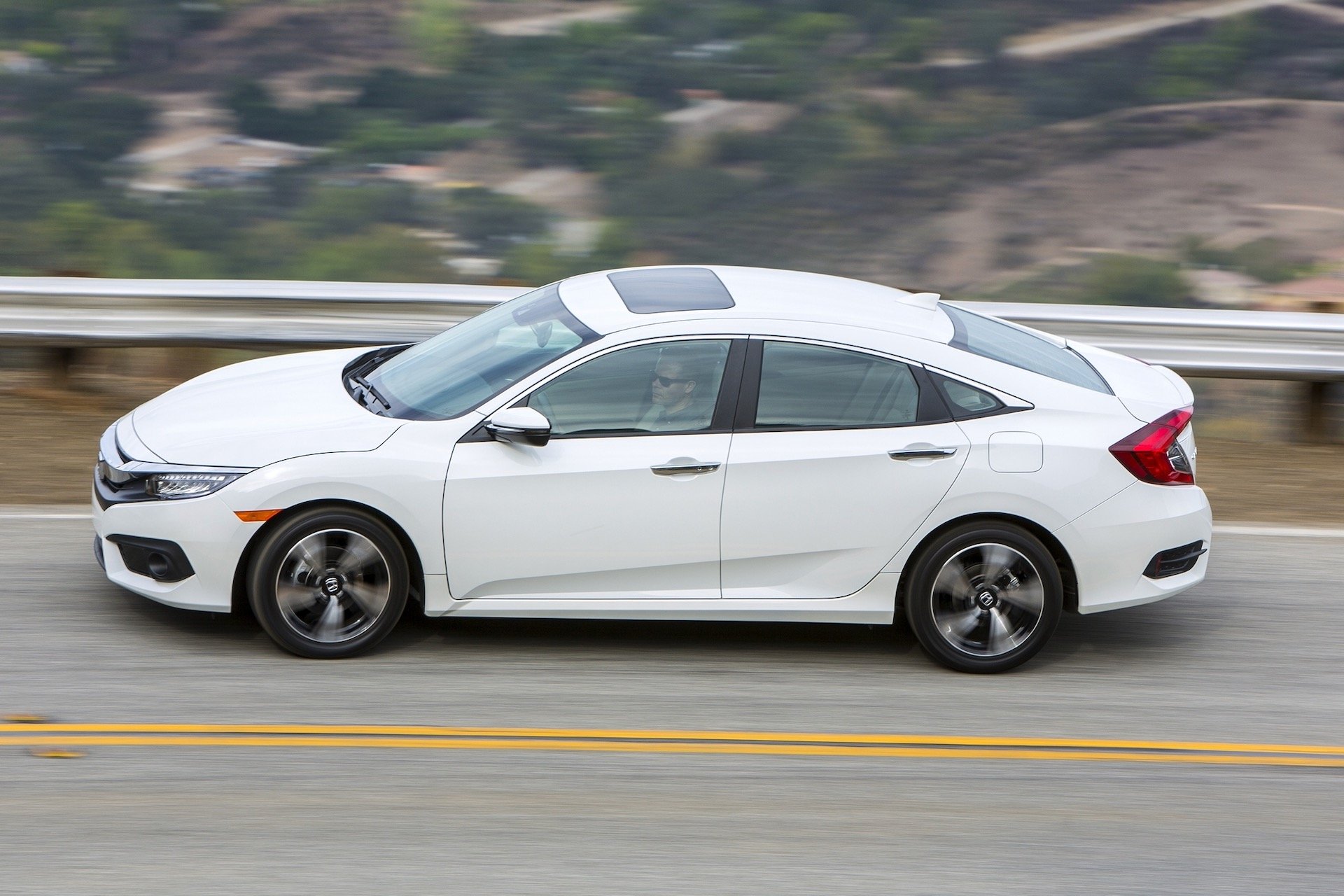


A used car priced between $10,000 and $15,000 now averages nearly 98,000 miles on the odometer. That’s according to a new Edmunds study, and it represents roughly 40,000 more miles than a car in the same price bracket carried just six years ago.
In 2019, a buyer shopping in that range could expect a vehicle about five years old with around 58,000 miles. Today, the same money buys a car that’s nearly nine years old and closing in on six figures. The math is brutal for anyone trying to buy reliable transportation on a working budget.
The broader used market has compressed upward in ways that punish shoppers at every level. Cars sold for under $20,000 made up 55.2% of all used transactions in the second quarter of 2019. By Q2 2026, that share had collapsed to 31.8%, and sub-$15,000 vehicles went from 31.6% of the market to just 17.8%.
At the other end, used cars selling for $50,000 or more nearly quadrupled their market share, jumping from 2.3% to 8.3% over the same period. The used market is starting to look a lot like the new one, where average transaction prices have settled around $50,000 and show no signs of retreating.
The engine behind this is simple supply economics. Pandemic-era production shutdowns meant millions of vehicles were never built. Those missing cars created a permanent hole in the used pipeline, and every model year that didn’t get produced at full volume means fewer three-year-old trade-ins, fewer off-lease returns, and fewer fleet vehicles cycling into dealer lots.
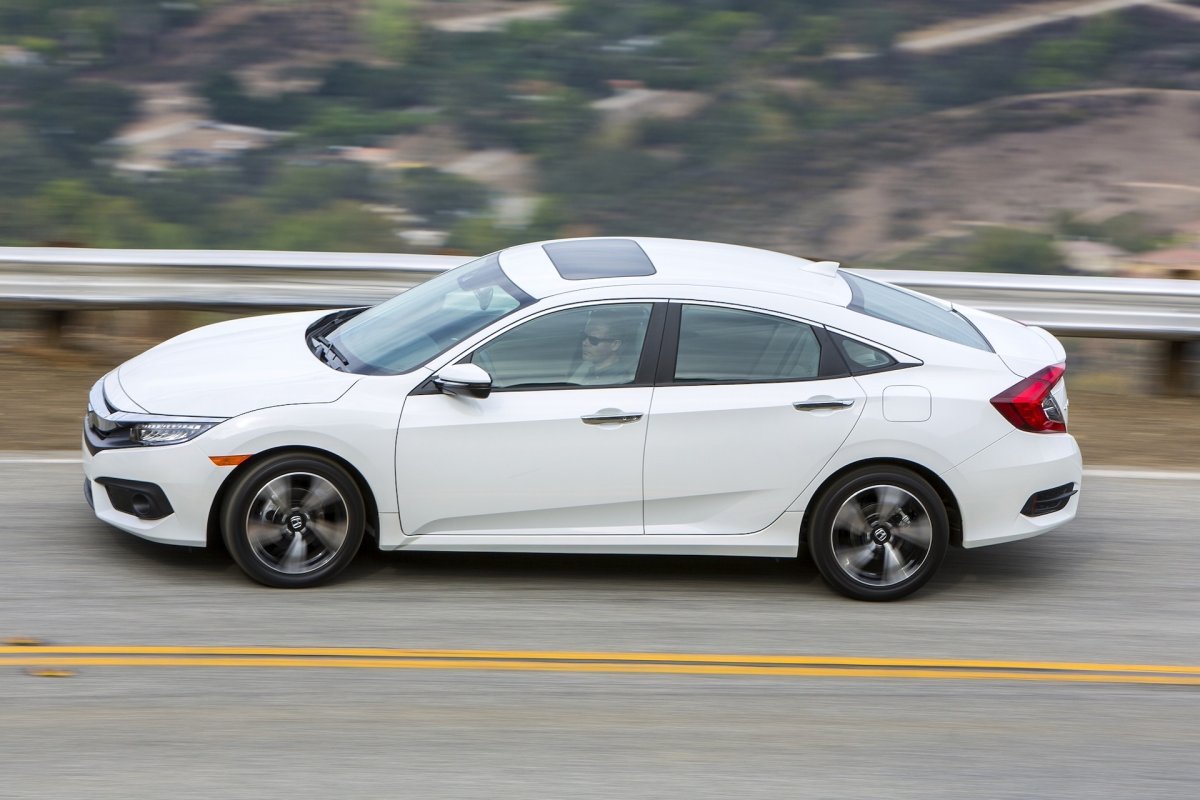
Edmunds found that the average transaction price for a three-year-old used car hit $32,461 in Q2 2026, a record high for the period. That figure is up 4% from a year ago and 15.5% higher than Q2 2021, when pandemic supply constraints first began distorting pricing. The inflation that started as a temporary disruption has become structural.
And buyers are absorbing it. Three-year-old used cars averaged 38 days on dealer lots in both Q2 2025 and Q2 2026, meaning the higher prices haven’t slowed sales velocity at all. Dealers have no incentive to cut prices when inventory moves at the same pace regardless.
New car tariffs are only making things worse. As sticker prices on new vehicles climb, more buyers get pushed into the used market, increasing demand against a supply base that isn’t growing fast enough. It creates a feedback loop where every segment of the market gets more expensive at the same time.
For the buyer who needs a car to get to work and has $12,000 to spend, the options are narrowing to vehicles that would have been considered past their prime a decade ago. A nine-year-old car with 98,000 miles can still be perfectly serviceable, especially if it’s a Honda or Toyota. But the margin for error on maintenance, timing belts, and transmission health gets razor-thin at that mileage, and one major repair can total the economics of the purchase.
The used car market used to function as the relief valve for American car buyers. Prices went up on the new side, and you could always find something reasonable on the used lot. That valve is closing.
Edmunds frames the data politely, noting shoppers “haven’t reached a breaking point yet.” The word doing the heavy lifting in that sentence is “yet.”
Share this Story