
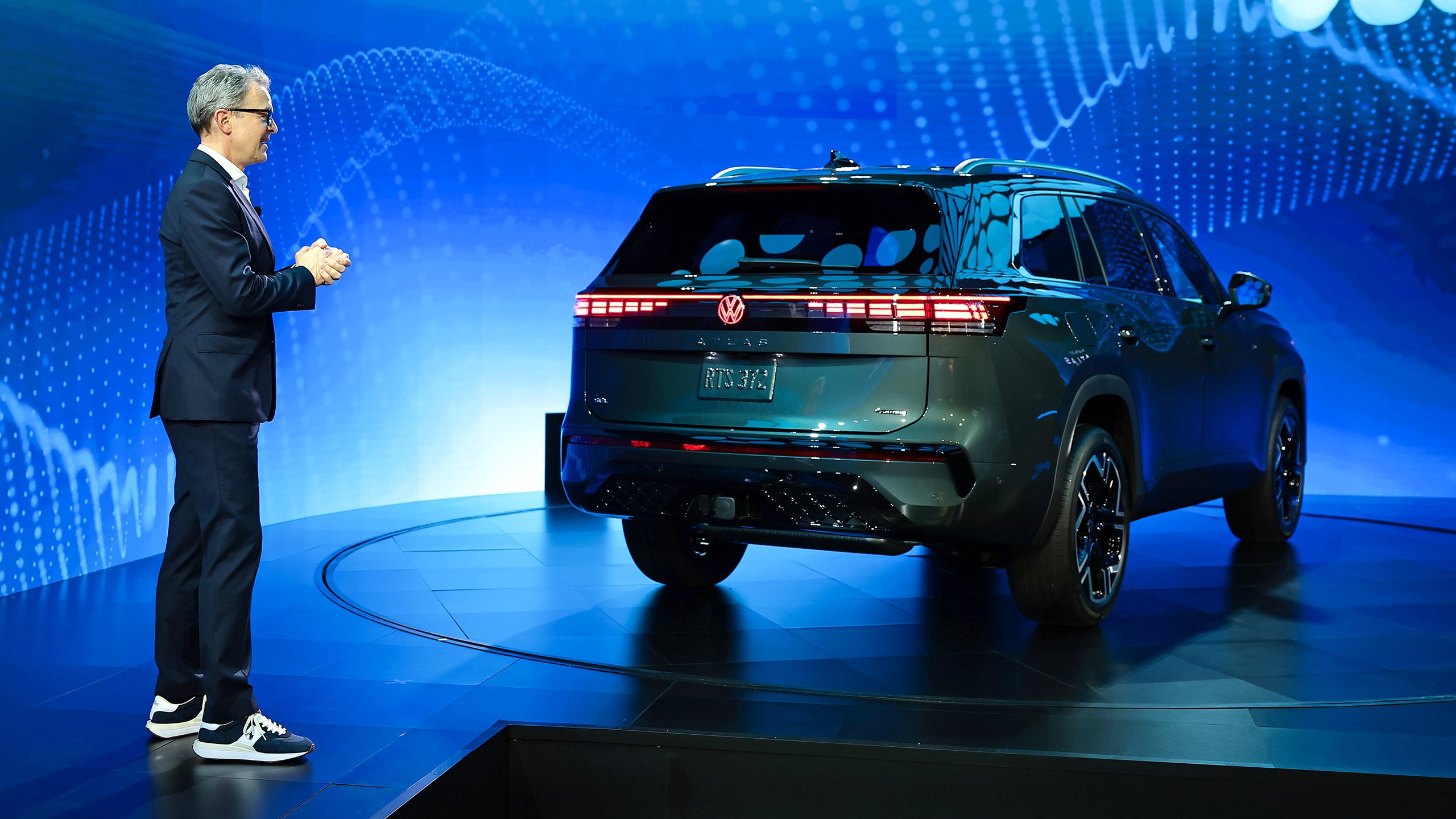


Volkswagen of America is bracing for a leadership shakeup. Automotive News reports that Audi sales chief Marco Schubert is expected to replace Kjell Gruner as the VW Group’s top executive in the United States, with Gruner departing the company entirely.
The timing tells its own story. VW’s American operation bet big on the redesigned Atlas SUV, which went on sale this past summer. That bet hasn’t paid off.
Insiders say the new Atlas is underperforming sales expectations, and worse, its profit margins trail those of the model it replaced.
Gruner had been the face of VW’s American ambitions, introducing the Atlas on stage as the vehicle that would anchor the brand’s U.S. lineup. The three-row SUV segment is the single most lucrative space in the American market, and VW needed the Atlas to compete with the Hyundai Palisade, Kia Telluride, and Chevrolet Traverse. Falling short there is not a minor stumble.
It is a strategic failure in the only segment where VW had real traction with mainstream American buyers.
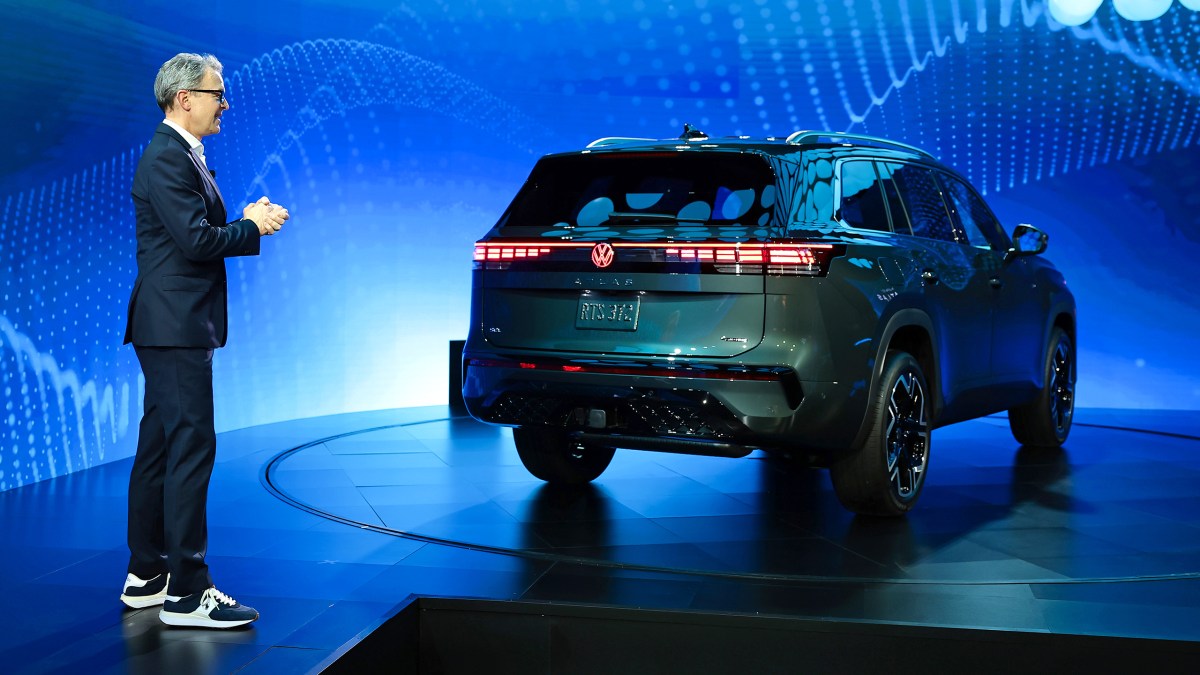
Schubert’s expected appointment signals that Wolfsburg is losing patience. Pulling a sales executive from Audi suggests VW wants someone who can move metal and protect margins, not just build brand narratives. VW’s U.S. market share remains a fraction of what the world’s second-largest automaker believes it deserves, and swapping leadership when a flagship product disappoints is the oldest play in the corporate handbook.
The broader context makes this more complicated. VW Group is simultaneously navigating potential tariff exposure, EV transition costs, and a European market that continues to soften. The American operation was supposed to be a growth engine, not another problem to manage.
An Atlas that can’t match its predecessor’s margins creates a cascading issue. Lower per-unit profit means less money to fund incentives, marketing, and dealer support. It also raises uncomfortable questions about whether VW priced the new model too aggressively to chase volume, or whether cost increases in the redesign simply ate into the bottom line.
Either answer points to decisions made under Gruner’s watch.
VW has cycled through American leadership before. The brand has a long, painful history of misreading the U.S. market, from the Phaeton debacle to the diesel emissions scandal to a revolving door of strategies that never quite stuck. Each new executive arrives with a fresh plan. Each departure carries the same lesson: selling Volkswagens in America is harder than Wolfsburg thinks it should be.
Schubert has not yet been officially confirmed, and VW has not commented publicly on the reported change. But the pattern is familiar. When the product doesn’t deliver, the person standing next to it on stage is the one who pays.
Whether a new face at the top can fix what the Atlas hasn’t remains an open question, especially when the product itself is already in showrooms and the margins are already set.


Share this Story