


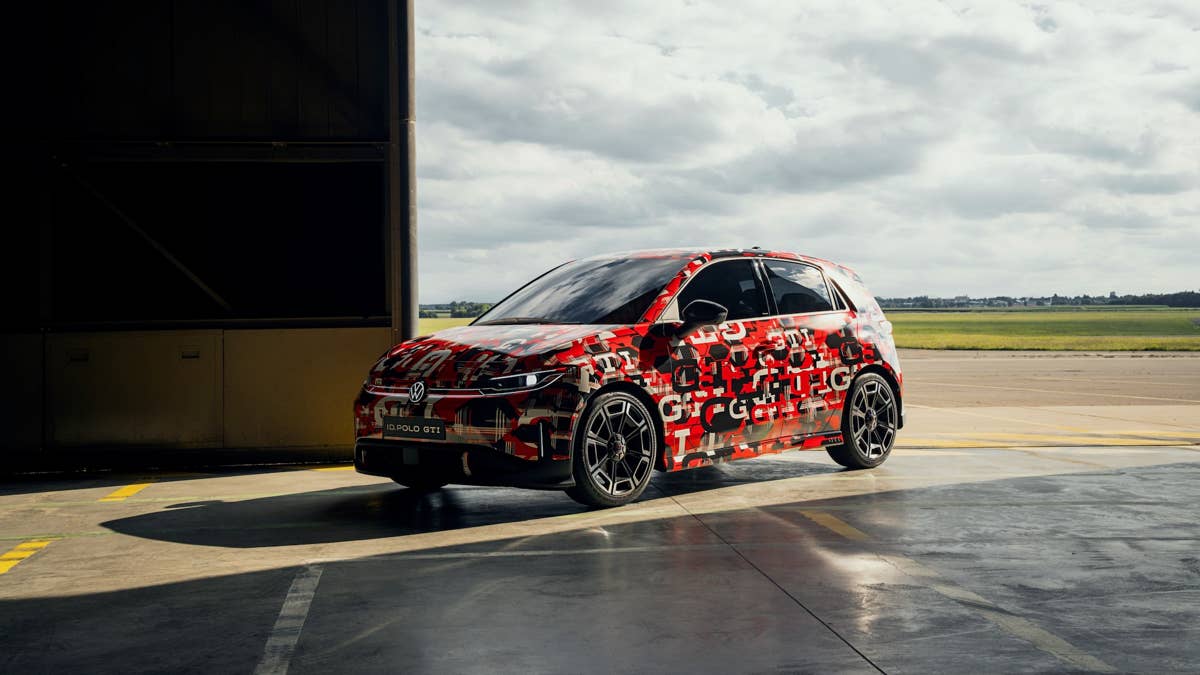
Fifty years after a scrappy hot hatch rewrote the rules of affordable performance, Volkswagen is betting that three red letters can survive the jump to battery power. The ID. Polo GTI, set for its world premiere at the Nürburgring 24-hour race weekend on May 16, 2026, will be the first all-electric car to wear the GTI badge.
That is not a small thing. The GTI nameplate has been one of the most carefully guarded brands in the automotive world since the original Golf GTI debuted in 1976. Volkswagen has resisted diluting it, even as competitors rushed to electrify their performance sub-brands. Now, the dam breaks — and the venue is telling.
The Nordschleife, Germany’s merciless 12.9-mile ribbon of asphalt, is sacred ground for GTI faithful. Volkswagen chose it deliberately, staging the unveiling on the Ring-Boulevard in front of an expected 280,000 spectators who live and breathe internal combustion. If the electric GTI can win that crowd, it can win anywhere.
Details on the ID. Polo GTI’s powertrain remain under wraps. Volkswagen describes it as a “near-production vehicle” that is “not yet available for sale” — corporate code for a car that’s real enough to drive in a parade lap but still months from a price tag. The company offered no horsepower figure, no battery capacity, no range estimate.
That silence speaks volumes. Either VW is holding back specs for maximum impact, or the numbers aren’t ready for public scrutiny.
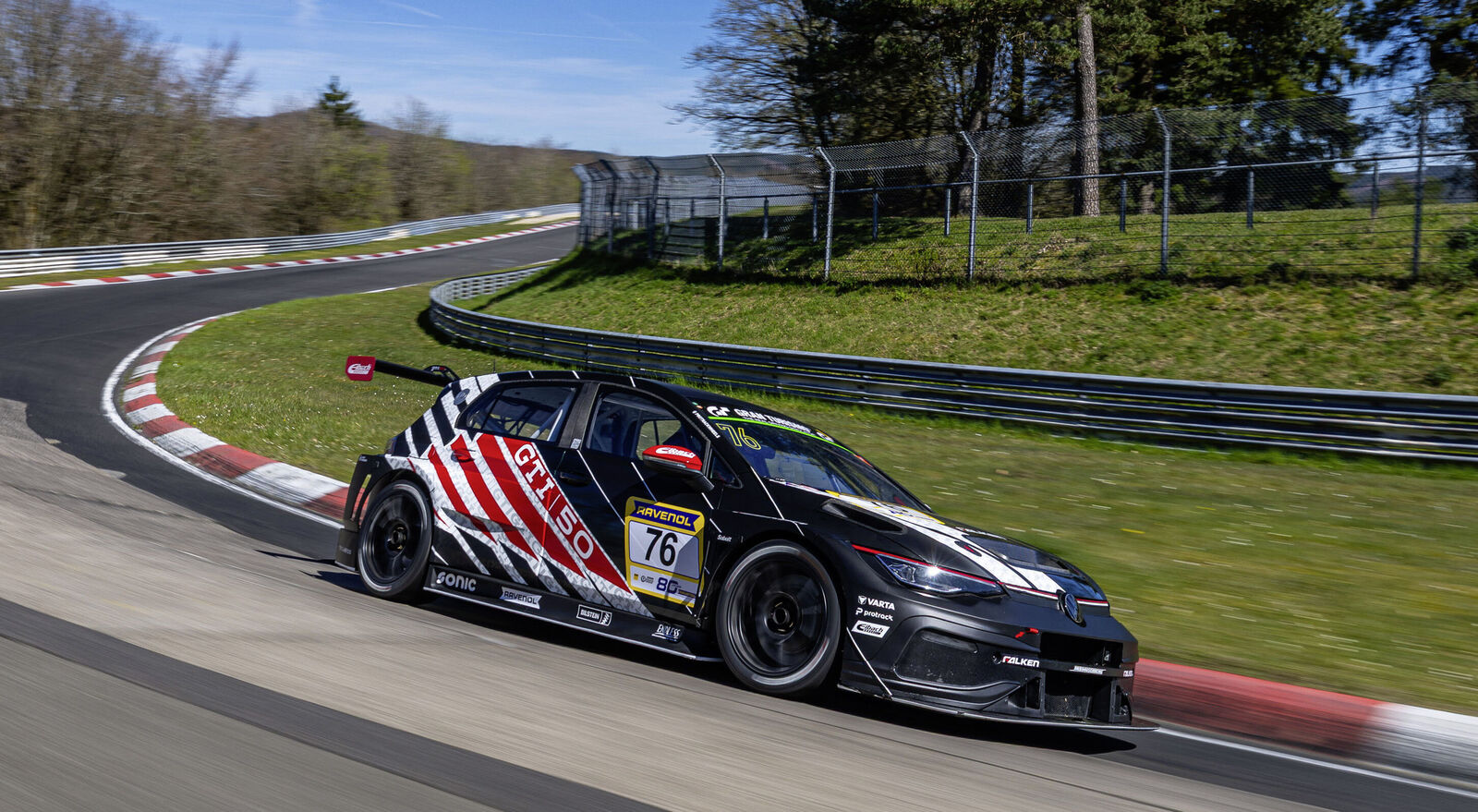
What is ready are the combustion cars. Three Golf GTI Clubsport 24h racers will contest the endurance classic, gunning for a third consecutive class victory in SP4T. The lead car, number 50, pairs VW test driver Benjamin Leuchter with eight-time World Rallycross champion Johan Kristoffersson and two Nordschleife regulars.
At 397 PS and just 1,200 kg without a driver, these stripped-out Golfs have been upgraded with active gearbox cooling and a carbon-fiber boot lid to complement last year’s carbon doors. All three race cars burn E20 fuel — 60 percent renewable — a detail VW is eager to publicize. The message is layered: the GTI’s combustion heritage isn’t dead, it’s just getting cleaner alongside its electric sibling.
The weekend also serves as a teaser reel for 2027. A Golf R 24H show car will offer a first look at Volkswagen R’s planned Nürburgring entry next year, signaling that the performance pipeline extends well beyond the ID. Polo GTI reveal. And roughly 40 historic GTIs spanning all eight generations will parade the Nordschleife before the race starts — a rolling museum lap designed to connect the electric newcomer to a lineage that includes some of the most beloved driver’s cars ever built.
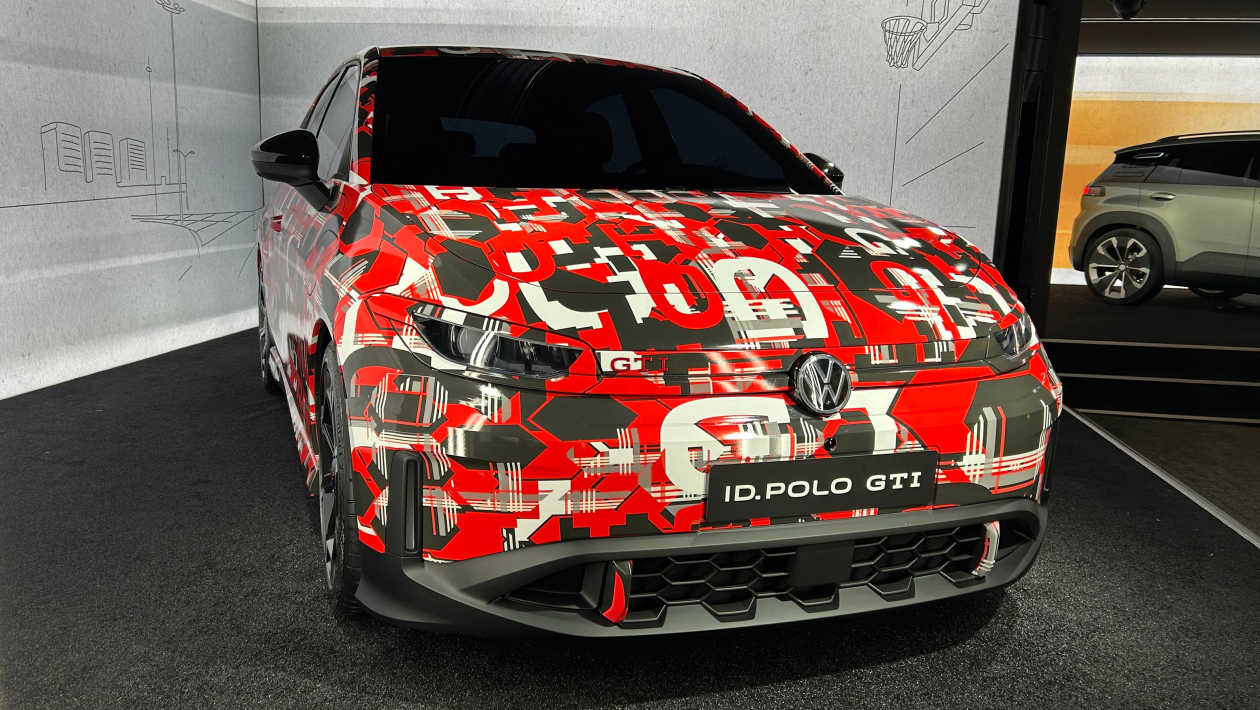
The strategic calculus here is transparent. Volkswagen needs the ID. Polo GTI to succeed commercially in a segment where affordable EVs have struggled to generate excitement. Bolting the GTI identity onto VW’s upcoming small electric platform is an attempt to do what spec sheets alone cannot: make people feel something about an affordable battery car.
Whether the ID. Polo GTI delivers the visceral kick that defines every proper GTI remains the only question that matters. The steering weight, the exhaust bark replaced by whatever sonic signature VW engineers have cooked up, the sense of being slightly faster than your money should allow. Badges are inherited. Trust is earned. The Nordschleife is an unforgiving place to start.
Share this Story