


Hyundai CEO Jose Muñoz dropped a telling detail this week. The Korean automaker doesn’t just want to build body-on-frame trucks and SUVs in the United States. It wants to ship them from American factories to the rest of the world.
That’s a reversal of the usual playbook, where Asian automakers build at home and export here. Hyundai is betting that planting its truck production in the U.S. makes strategic sense globally, not just domestically. The first vehicle off the new ladder-frame platform, a midsize pickup, is expected to debut in 2029.
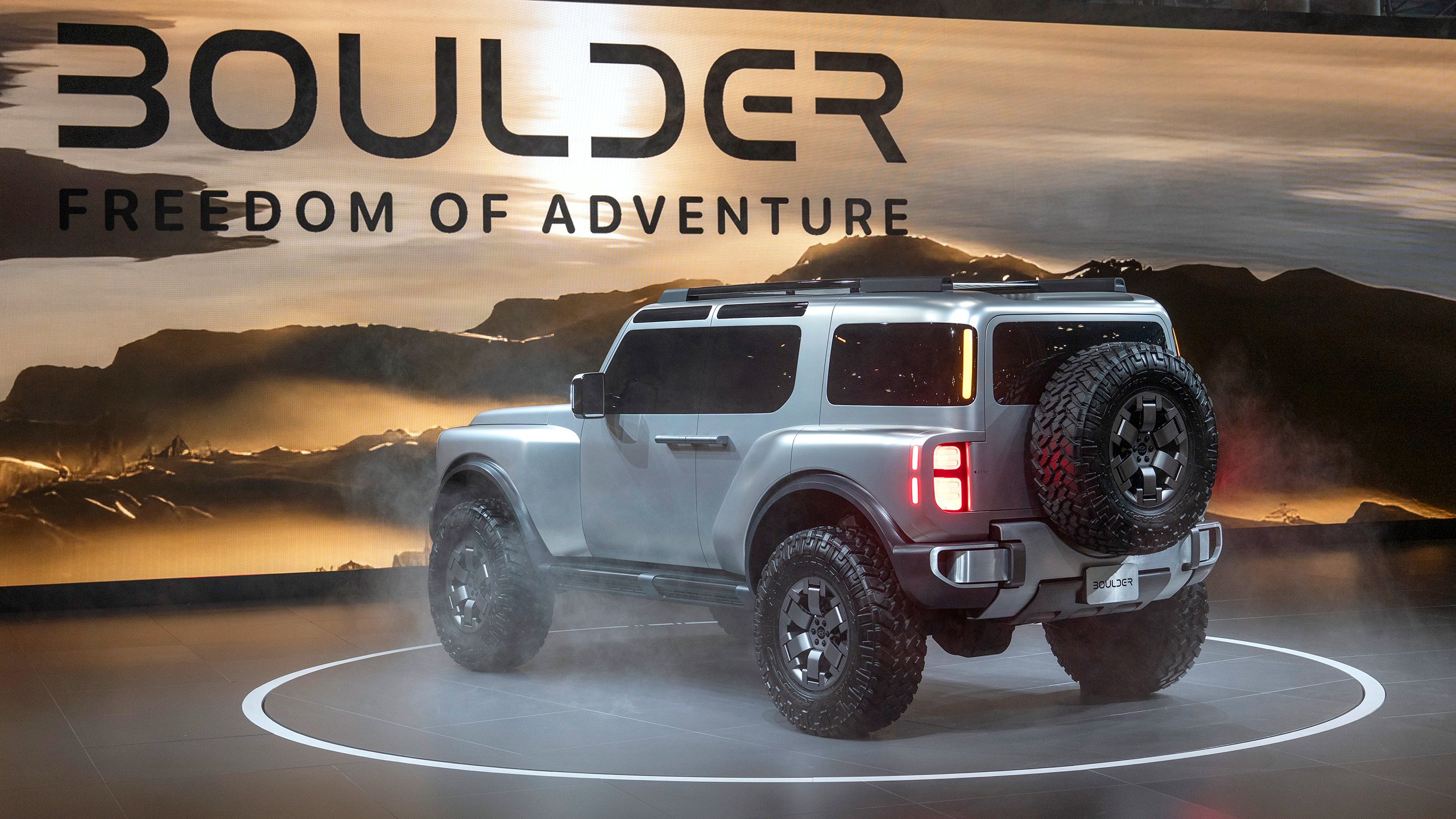
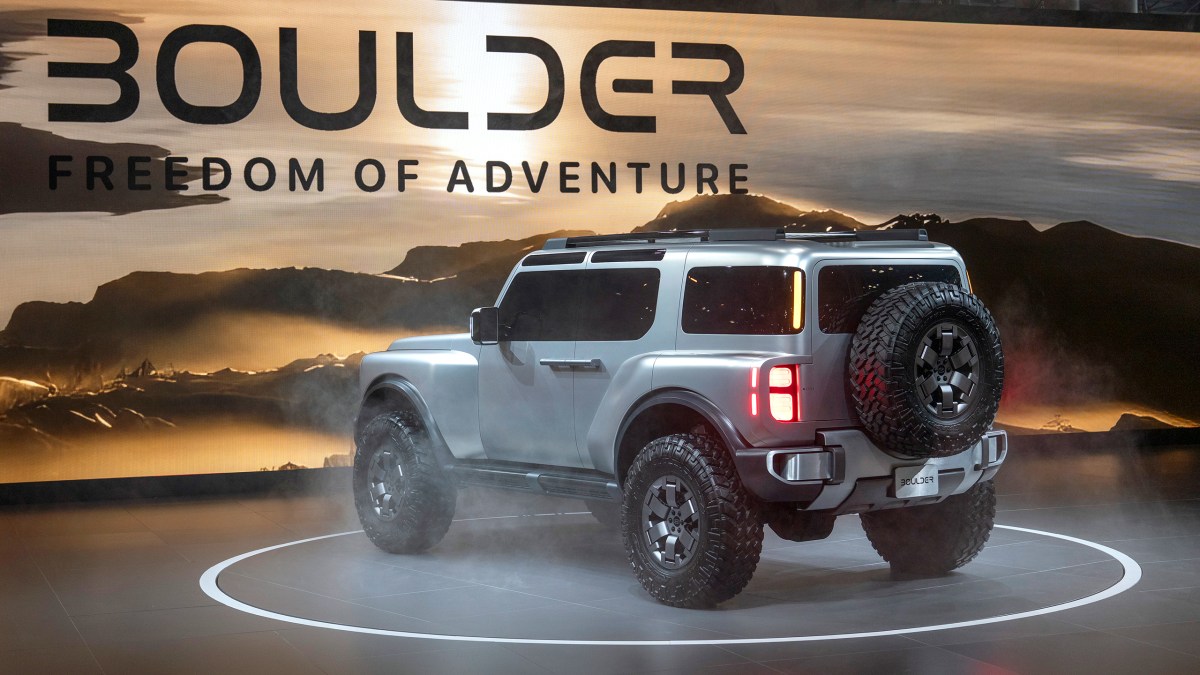
The timeline is ambitious but not reckless. Hyundai has been telegraphing this move for months, showing off the Boulder concept at the 2026 New York Auto Show and steadily building hype around its entry into a segment it has never competed in. The real question is scale.
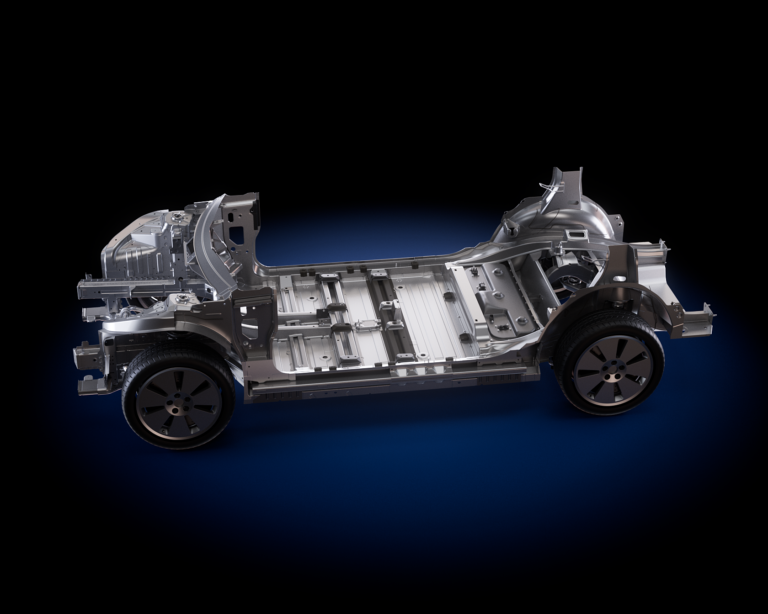
If Kia and Genesis also develop vehicles on the shared body-on-frame architecture, Hyundai’s investment starts to look like a volume play with serious legs. If the platform stays confined to a single Hyundai-branded pickup, the economics get harder to justify, especially when you factor in the cost of tooling up a U.S. plant for global export.
Muñoz, who took the CEO role after years running Hyundai’s North American operations, knows the American truck market better than most executives in Seoul ever could. He also knows it’s a bruising arena. Ford, GM, Ram, and Toyota have spent decades refining their truck lineups, supply chains, and dealer networks.
Hyundai’s angle seems to be positioning the U.S. as a manufacturing hub rather than just a sales target. With tariff pressures, supply chain shifts, and political incentives all favoring domestic production, building here and exporting outward could give Hyundai flexibility that rivals shipping from Thailand or Mexico don’t have.
The midsize pickup segment itself is in an interesting spot. The Ford Ranger, Toyota Tacoma, Chevy Colorado, and Nissan Frontier all compete there, but none have truly run away with it. A well-priced, well-equipped Hyundai entry with the brand’s current design momentum could carve out real share, particularly if it undercuts the Japanese competition on value the way Hyundai sedans and SUVs did a generation ago.
Three years is a long wait, though. Tariff regimes shift. Consumer preferences evolve. Battery technology could make an electric truck more compelling than a traditional body-on-frame by 2029, and Hyundai will need to hedge both ways.
In other news this week, Honda poured cold water on hopes for a U.S. return of the Fit subcompact, with sales boss Lance Woelfer saying there are no current plans while leaving the door slightly ajar. Kia recalled just over 20,000 EV9 SUVs over a front-passenger airbag issue. And the Mazda MX-5 Miata lost its 2.0-liter engine option in the U.K., leaving British buyers with only the 134-horsepower 1.5-liter, a casualty of tightening emissions rules that keeps chipping away at one of the last true affordable sports cars.
Hyundai building American trucks for global consumption would have sounded absurd five years ago. Muñoz is betting it won’t sound absurd five years from now.
Share this Story