
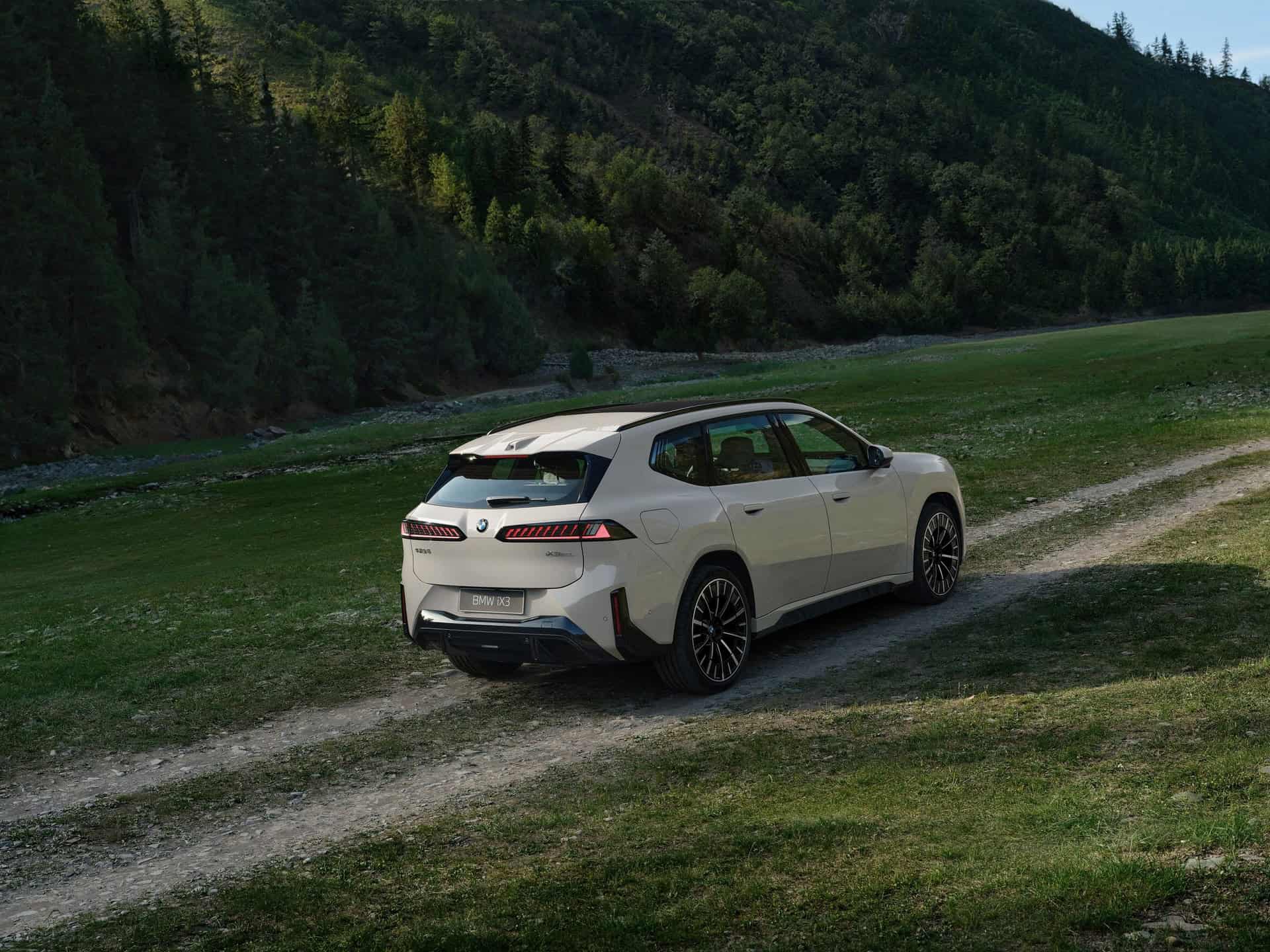


The cheapest BMW iX3 in China starts at RMB 269,900, roughly $40,200. The same SUV in Germany, albeit with a shorter wheelbase and different battery, opens at €63,400. That is not a rounding error. It is the price of desperation meeting strategy in the world’s most cutthroat car market.
New BMW CEO Milan Nedeljković, barely settled into the corner office, told Frankfurter Allgemeine Zeitung that the company “naturally assumes” it will make money on the China-spec iX3. He stopped short of providing margins. He would.
The long-wheelbase iX3 is built at BMW’s Shenyang plant using local suppliers, local engineering partners, and what the company calls a “local-for-local” strategy. That phrase has become a mantra in Munich. It is also the only credible explanation for how BMW can sell a loaded electric SUV at $40,200 in Shanghai while charging $62,850 for the shorter, less spacious iX3 50 in the United States.
Even the base Chinese model comes with heated front and rear seats, ventilated front seats, a heated steering wheel, three-zone climate control, and a Harman Kardon sound system. Step up to the iX3 40L xDrive and you’re at $44,700. The iX3 50L xDrive tops out at $50,600. In every case, the Chinese buyer gets more car, more space, and a substantially lower bill.
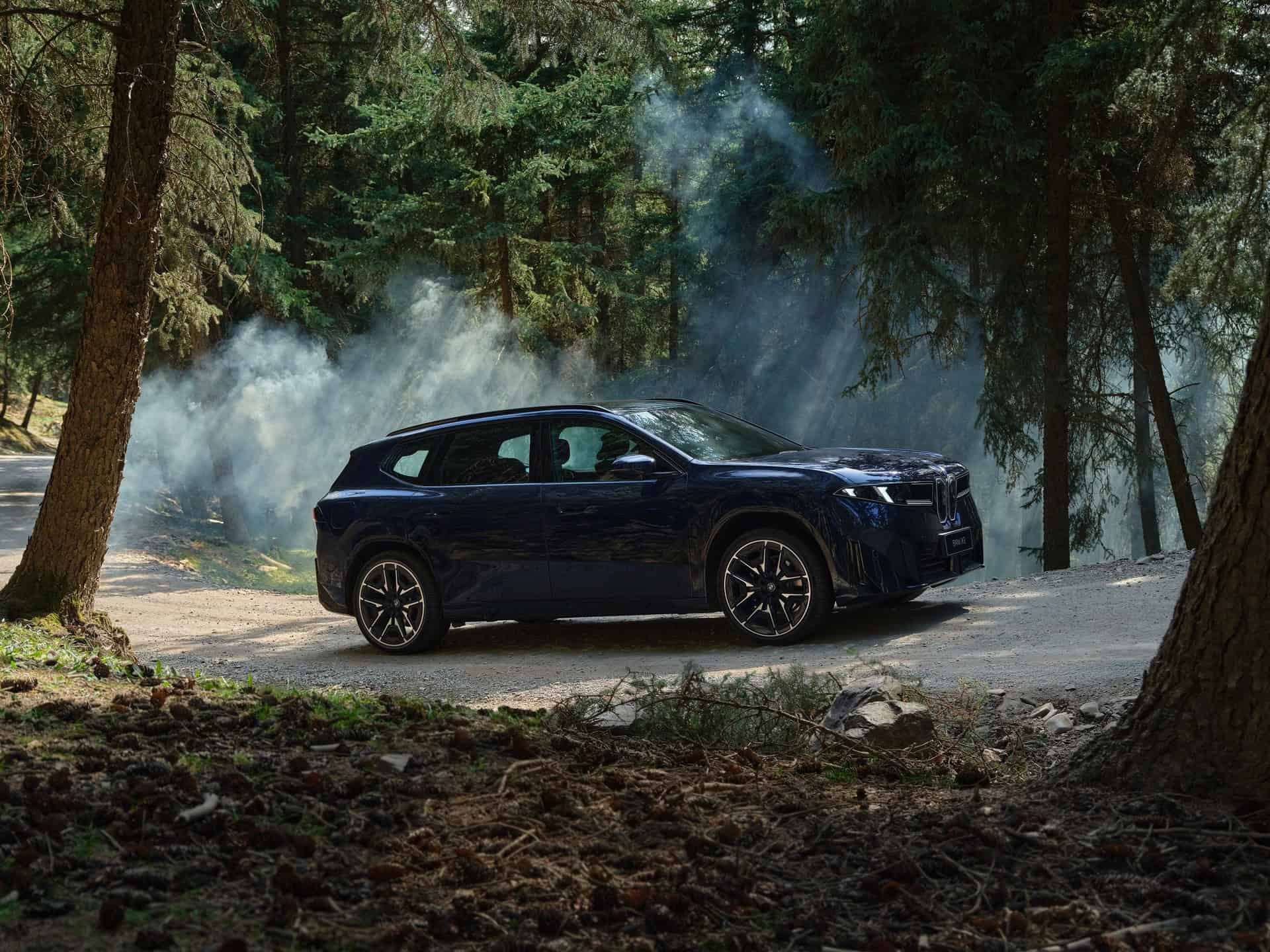
Nedeljković acknowledged that profit margins are under pressure but insisted China remains “a key pillar” of BMW’s business. He also dropped a telling line: “The current hyper-competition in China, with a price war that is at times ruinous, cannot be a permanent state of affairs.” That reads like a CEO hoping the bleeding stops before the patient needs a transfusion.
BMW’s China sales have been sliding for years. Domestic brands like BYD, Nio, and Xiaomi have hammered German and Japanese incumbents with aggressive pricing, fast product cycles, and software that actually works the way Chinese consumers expect. The Neue Klasse platform is Munich’s answer, and the iX3 is its spearhead.
Nedeljković reported “strong customer interest” ahead of the market launch, though interest and signed contracts are two very different things.
The entry-level iX3 30 in China uses an LFP battery that BMW does not offer anywhere else. LFP cells are cheaper, more durable, and produced overwhelmingly in China. That single sourcing decision shaves thousands off the bill of materials. Combine it with local assembly and local development costs spread across a huge potential volume, and you start to see how the math might work. Might.
What stings for European and American buyers is the transparency of the gap. BMW is not hiding the price difference. It is openly selling a bigger, better-equipped vehicle for 40 percent less in China and telling Western customers, essentially, that markets dictate pricing.
The long-wheelbase iX3 will reach some additional markets, but not Europe, not North America. Those regions get the standard wheelbase and the standard price.
BMW’s gamble is that Neue Klasse’s architecture is efficient enough to absorb China’s brutal pricing while still generating profit. If Nedeljković is right, it validates a model other legacy automakers will rush to copy. If he is wrong, BMW will have sold thousands of SUVs below cost in a market that may never return the favor with loyalty.
The order books are open. The margins remain a mystery Munich is not yet ready to share.
Share this Story