
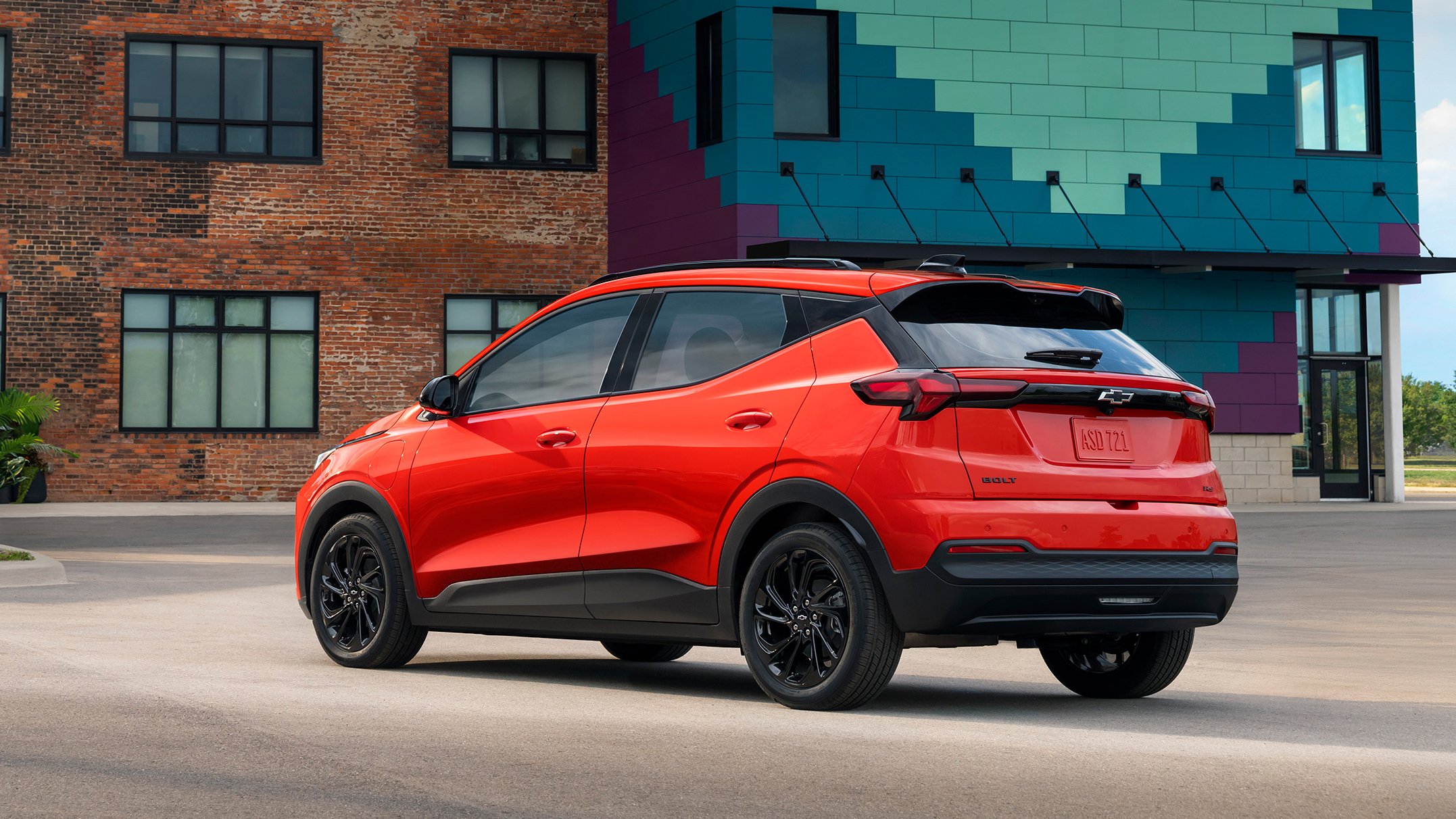


General Motors has decided to dump its 49.99% stake in a $3.5 billion joint battery plant with Samsung in Indiana, handing full ownership to the Korean company. The facility, announced three years ago, is still under construction.
The move is the latest in a string of EV retreat signals from Detroit’s largest automaker. GM once positioned itself as the company that would lead the American electric transition, with CEO Mary Barra famously declaring an “all-electric future.” Joint battery ventures were central to that vision.
Now that vision keeps getting trimmed.
Samsung will press forward with the Indiana plant on its own, which says something about where the real conviction lies in the EV battery race. Asian cell manufacturers continue to pour concrete and capital into U.S. production capacity while the domestic automakers who were supposed to anchor demand are pulling back.
GM still operates its Ultium Cells joint venture plants with LG Energy Solution, so this isn’t a complete exit from battery manufacturing partnerships. But shedding a $3.5 billion commitment is not a minor portfolio adjustment. It is a strategic choice about where to deploy capital, and batteries lost.
The timing is worth watching. Chinese automakers are flooding global markets with cheap EVs, with exports surging 88% in July alone compared to a year earlier. Domestic sales in China fell for the tenth consecutive month, dropping roughly 21%, which means Chinese manufacturers are under enormous pressure to push volume overseas. That flood is headed everywhere GM sells cars.
Meanwhile, the technology itself keeps advancing at a pace that makes long-term manufacturing bets risky. A small British outfit called V Engineering just introduced a replacement battery pack for the McLaren P1 that weighs 50 pounds less than the original while delivering more than double the energy capacity. The P1 is barely a decade old. That kind of leap makes billion-dollar factory commitments look like they could be obsolete before the paint dries.
GM finds itself caught between two uncomfortable realities. Pulling back from EV infrastructure investments saves cash in the near term but cedes ground to competitors who are not slowing down. Staying in means burning capital on technology that evolves so fast today’s factory could be tomorrow’s stranded asset.
Samsung, for its part, seems perfectly comfortable taking full ownership. The company has been aggressively expanding its battery business and likely views a fully controlled U.S. plant as a better strategic position than a joint venture with a partner whose commitment keeps wavering.
Indiana still gets the jobs and the factory. Samsung still gets a manufacturing footprint inside U.S. borders, which matters enormously given the tariff landscape. The only thing that changed is GM’s name on the building.
Three years ago, this plant was announced with the usual fanfare about American manufacturing and the electric future. Now GM is quietly walking away, and Samsung is quietly picking up the keys. The factory will get built, the batteries will get made, they just won’t have an Ultium logo on them.
GM’s electric ambitions are starting to look less like a revolution and more like a series of expensive first dates that never turned into anything serious.




Share this Story