
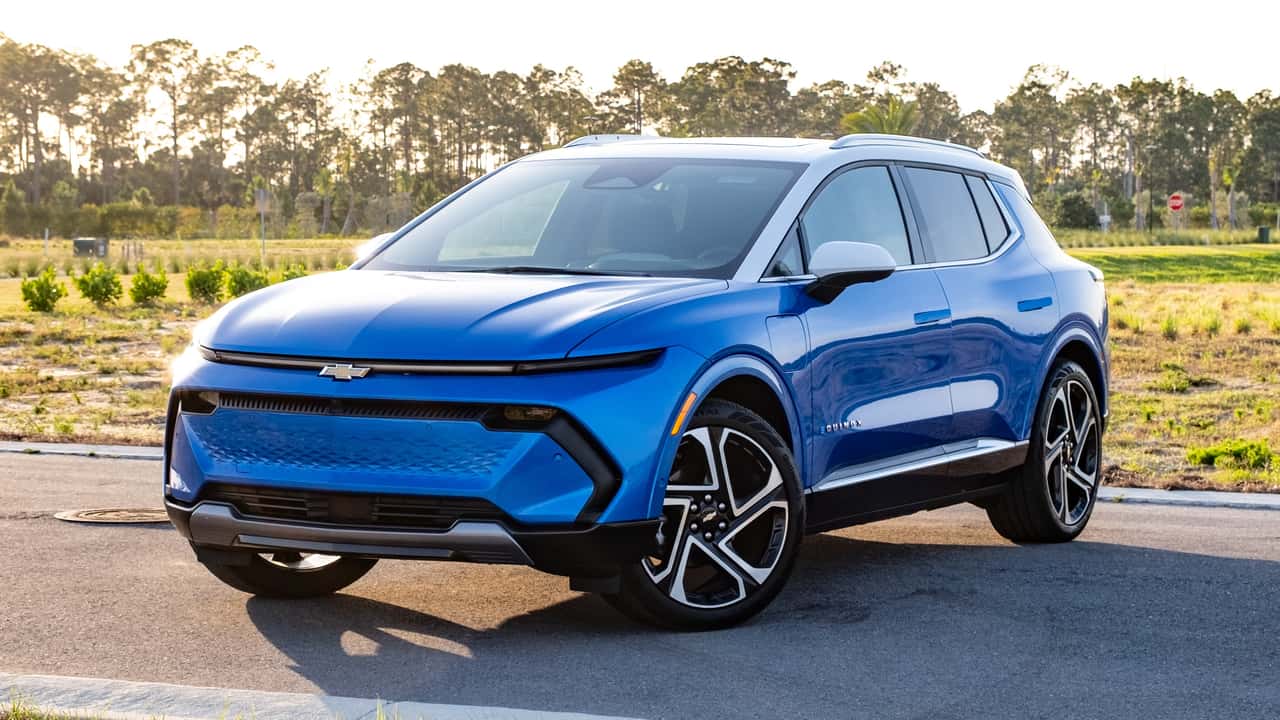


The Chevrolet Equinox EV went on sale yesterday, relatively speaking. Now General Motors is already engineering its replacement, targeting a 2029 model year launch on an entirely different platform. That gives the current Equinox EV one of the shortest lifespans of any mainstream crossover in recent memory.
The second-generation model will ditch GM’s BEV3 architecture, the same bones shared with the Cadillac Lyriq and Chevrolet Blazer EV, in favor of a new dedicated platform called BEV-N. The intent is straightforward: cheaper to build, better packaged for compact vehicles, and freed from the engineering compromises of sharing a platform with luxury trucks and large SUVs.
Two years is not a normal product cycle. Compact crossovers in the gasoline world routinely run six to eight years before a full redesign. Compressing that window tells you everything about how GM views the current Equinox EV’s foundation.
It works, but it was never the right long-term answer. The timing tracks with a sales story that has gone from triumph to trouble in barely a year. The Equinox EV moved 57,945 units during its initial ramp-up, enough to claim the title of bestselling non-Tesla EV in the U.S. market.
That number looked like validation. Then the air came out. Through the first half of this year, Chevrolet delivered just 16,249 units, dropping the Equinox EV to fifth on the sales chart.
Part of the problem is friendly fire. The reborn Chevrolet Bolt EV returned to the lineup and reportedly received a strong reception. When your own $30,000 subcompact is stealing oxygen from your $35,000 compact, the portfolio math gets complicated fast.
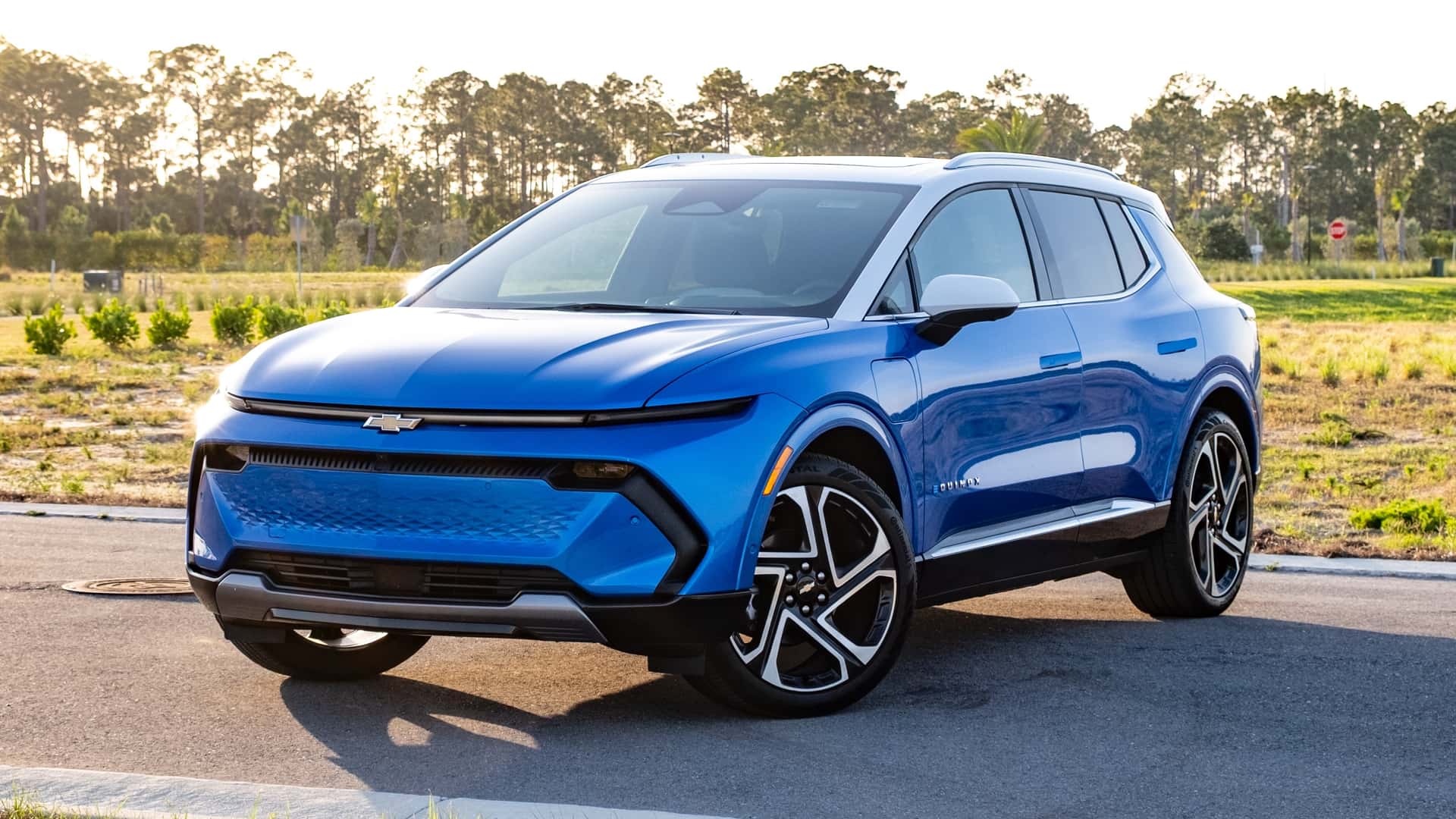
GM frames the BEV-N migration as strategic, not reactive. Internal planning describes it as a way to cut production costs and tailor the vehicle’s layout specifically for affordable electric products. The BEV3 platform was designed to scale across everything from a $34,000 Equinox to a $60,000 Cadillac, and that kind of flexibility always comes at a cost, usually in the form of packaging compromises and higher per-unit build expenses at the low end.
The broader context matters here. GM has been shuffling its EV strategy for months, canceling its dedicated electric pickup program while doubling down on affordable models. The company says it has “not canceled any electric trucks,” a statement that requires some creative interpretation of the word “canceled.
Entry-level EVs are where the real volume fight is shaping up, and GM knows it. Hyundai, Kia, Ford, and a wave of Chinese-designed competitors are all targeting the same affordable compact EV buyer. Whoever can build the most car for the least money on a purpose-built platform wins. BEV3 was never going to be that platform at this price point.
What remains unclear is how GM handles the transition. Selling a vehicle everyone knows is about to be replaced is a brutal retail proposition. Dealers will need aggressive incentives, residual values on first-generation Equinox EVs could crater, and buyers who just purchased one may not be thrilled to learn their crossover was a placeholder.
GM has done this before, of course. The first Bolt EV served a similar bridge role before being discontinued and then revived. The automaker has a pattern of launching EVs that function more as proof of concept than as long-term products, then iterating once the real platform is ready.
The 2029 Equinox EV will be the version GM actually wanted to build. The question is how much damage the short-lived first generation does to the nameplate before it arrives.





Share this Story