
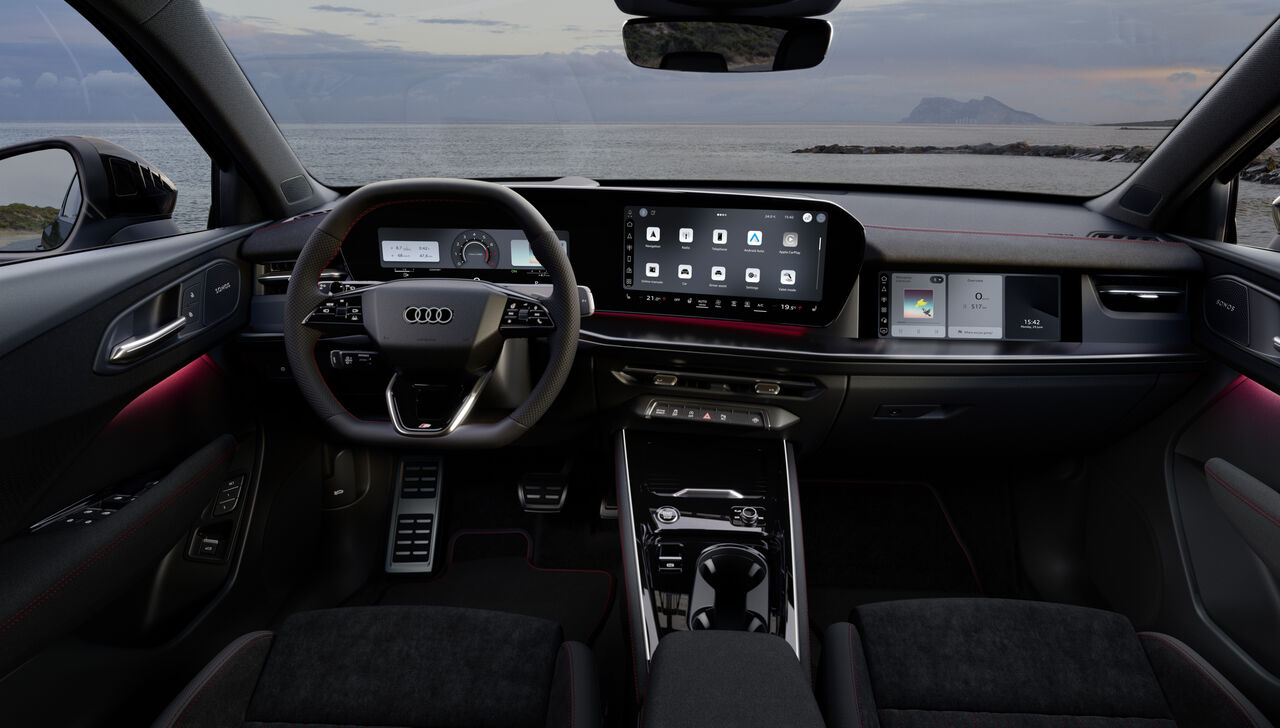


Audi just made heated seats, a reversing camera, a convenience key, and dual-zone climate control standard on every 2027 Q3. Features that used to cost extra are now baked in from the base price of 44,600 euros. It’s the kind of move that tells you exactly where the compact SUV segment’s pressure points are.
The update isn’t a facelift. There’s no new sheet metal, no revised bumpers, no dramatic design story to tell. This is an equipment and technology offensive — Audi loading up the Q3 with kit that makes the options list shorter and the base model harder to dismiss.
The biggest functional change lands on the plug-in hybrid. The Q3 e-hybrid’s maximum towing capacity jumps from 1,400 to 2,000 kilograms, a 43 percent increase that transforms the PHEV from a city-friendly efficiency play into something that can actually haul a small camper or horse trailer. That’s a meaningful gap closed against conventional powertrains, and it removes one of the last practical objections buyers had to the electrified version.
On the technology side, the Q3 gets a 10.9-inch passenger display for the first time, plus an infotainment system running Android Automotive. Apps like Microsoft Teams now run natively on the MMI without requiring a tethered phone.
Three USB-C ports in the rear pump out up to 100 watts each, and the wireless charger in the center console moves from 15 to 25 watts via the Magnetic Power Profile standard. The steering wheel gets a new layout combining touch-sensitive buttons with physical haptic rollers — a partial retreat from the all-touch approach that annoyed owners for years.
The adaptive cruise assist now pulls swarm data from connected vehicles, using real-world average speeds on a given stretch of road to adjust pace and following distance. Park assist pro gains remote operation through the myAudi app. A new Valet Mode locks screens and controls when the car is handed to a third party, keeping personal data out of a stranger’s hands.
Digital Matrix LED headlights with micro-LED technology offer dynamic beam distribution that avoids blinding oncoming traffic and lets drivers customize their own light signature. It’s a feature that was filtering down from the A6 and A8 world, and now it sits in Audi’s entry-level SUV.
Audi restructured its option packages into three tiers — Tech, Tech plus, and Tech pro — each more clearly defined than before. Acoustic glazing, a Sonos sound system, lumbar support, and suspension upgrades are now available as individual options rather than bundled into expensive packages full of things nobody asked for.
Order books opened July 2. Production starts in September. The Sportback variant begins at 46,450 euros.
None of this is revolutionary, and that’s precisely the point. The compact SUV market is a knife fight. BMW’s X1 keeps pushing upmarket, the Volvo EX30 attacks from below on price, and Chinese brands are circling.
In that environment, a mid-cycle Q3 doesn’t need a new face — it needs to eliminate the reasons a buyer walks across the showroom to a competitor. Loading standard equipment that previously lived behind a paywall, boosting the hybrid’s towing capacity to a genuinely useful number, and modernizing the digital backbone all serve one purpose: making the Q3 harder to cross off the list. Audi isn’t reinventing this car. It’s fortifying it.

Share this Story