
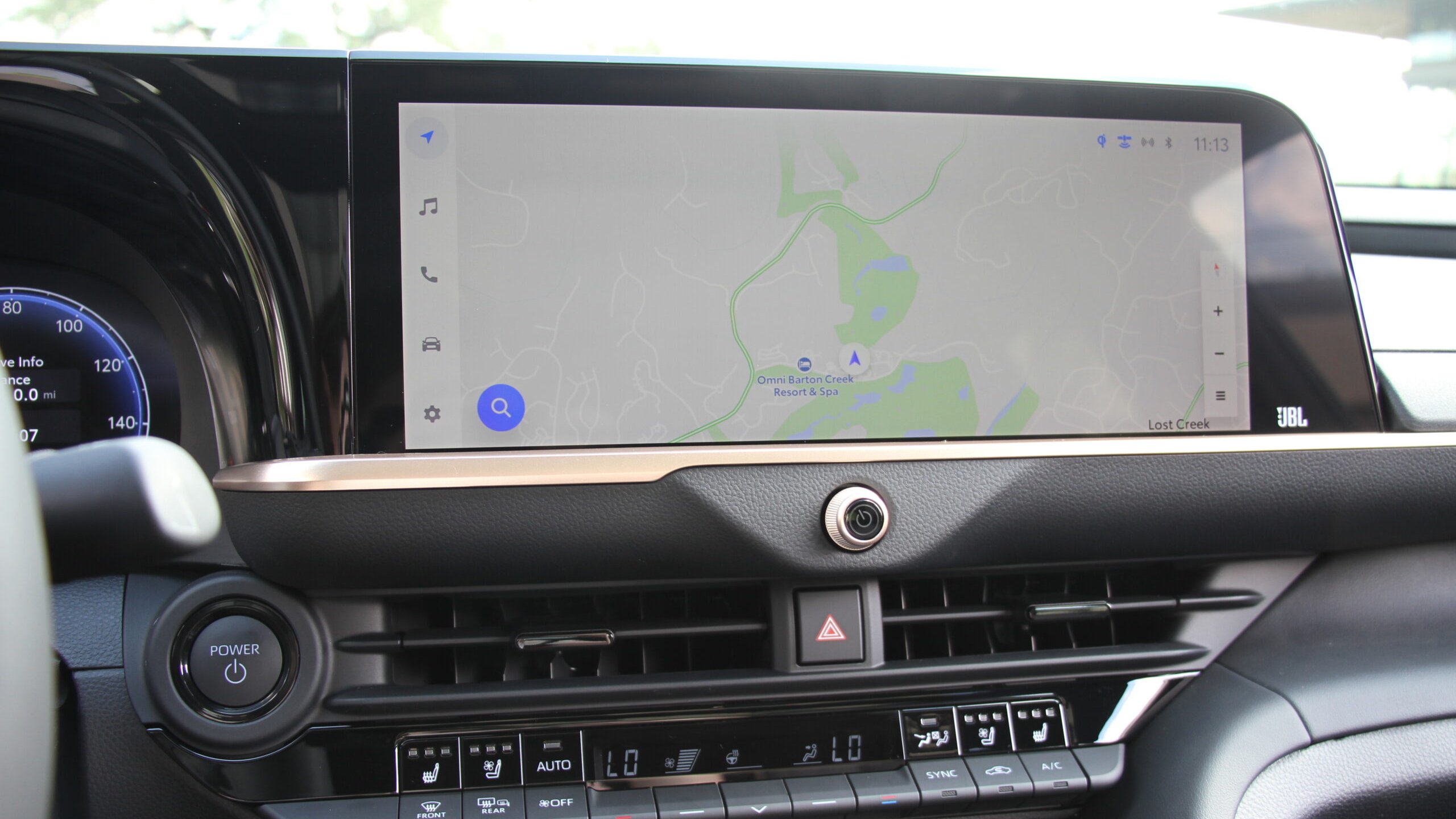


Every connected car on every dealer lot in California could become unsellable in less than a week. That’s not hyperbole. That’s the law as it currently stands.
In 2024, California passed a domestic violence protection measure requiring automakers to let vehicle owners terminate shared access to location-tracking services when presented with a restraining order. The provision was part of a broader digital privacy package aimed at connected devices, and it carried a July 1, 2025 compliance deadline. Straightforward enough in concept, but apparently not in execution.
Automakers have collectively told the state they cannot meet the deadline. Not by a little. According to Automotive News, full compliance isn’t realistic before the end of 2026 at the earliest.
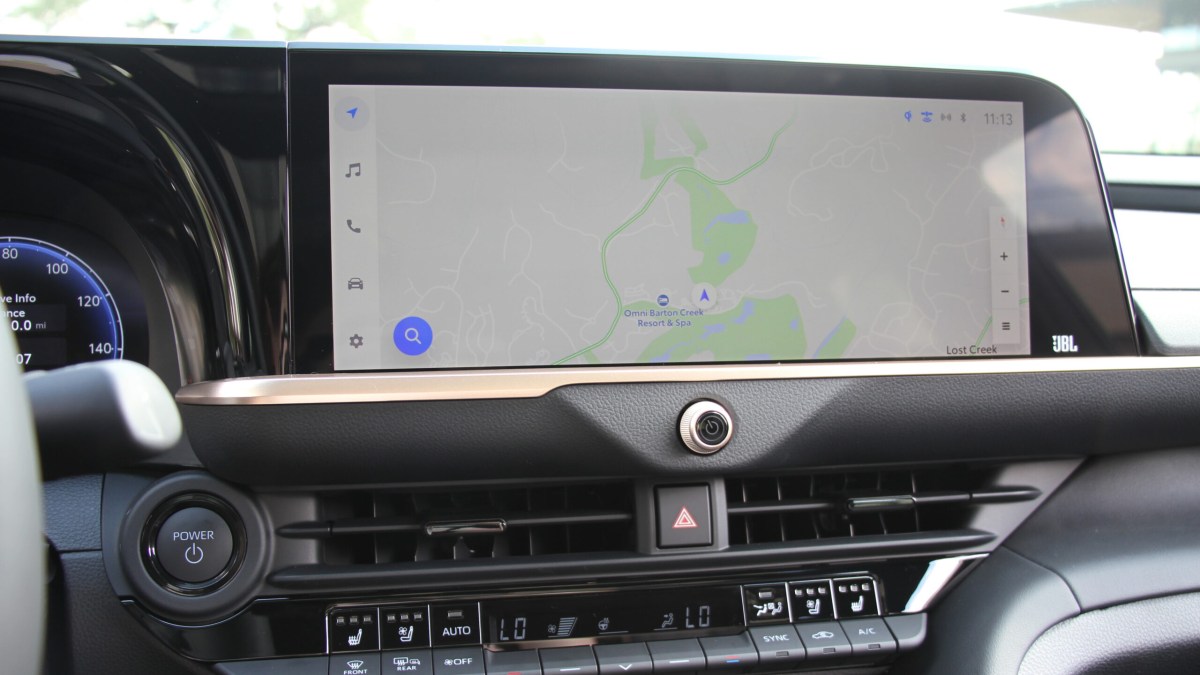
If no legislative fix arrives before next Wednesday, any connected car whose manufacturer hasn’t implemented the required safeguards becomes illegal to sell. In 2025, that means virtually every vehicle on a dealer lot. California is the largest car market in the United States, and tens of thousands of transactions hang in the balance.
The state legislature is working on a patch. SB 719 would push the first compliance milestone back by a year and extend the full implementation timeline to 2031, aligning it with California’s separate remote kill switch requirement. That would triple the runway for automakers, shifting the final deadline from January 2028 to six years from now.
Nobody disputes the intent behind the law. Connected cars have become surveillance tools in domestic abuse cases, with abusers using shared vehicle accounts to track victims in real time. Requiring manufacturers to build an off-switch for that capability is a reasonable ask.
The technology already exists to revoke digital access. Automakers just haven’t wired it into their compliance frameworks yet.
And that’s the tension running through this entire episode. California wrote a law addressing a genuine safety problem. Automakers had a year to start building solutions, and they didn’t get it done.
Now the state has to scramble to avoid an accidental freeze on its own car market because the industry dragged its feet on protecting abuse survivors.
The dealer community is understandably nervous. California’s franchise dealers move roughly two million new vehicles a year. A stop-sale affecting every connected model would ripple through financing, insurance, trade-ins, and service departments overnight.
Sacramento has days, not weeks. The state Senate needs to move SB 719 through committee, across the floor, into the Assembly, and onto the governor’s desk before July 1. Legislative bodies are not famous for their footspeed, but the consequences of missing this one are concrete and immediate.
The deeper question is why automakers allowed it to reach this point. These are companies that can engineer autonomous driving systems and push over-the-air software updates to millions of vehicles at once. Building a mechanism to revoke one user’s location access upon receipt of a court order should not be a three-year engineering challenge.
If California blinks and grants the extension, the pressure evaporates. Automakers get their runway, and dealers keep selling. And abuse survivors wait a little longer for a protection the state already promised them.




Share this Story