
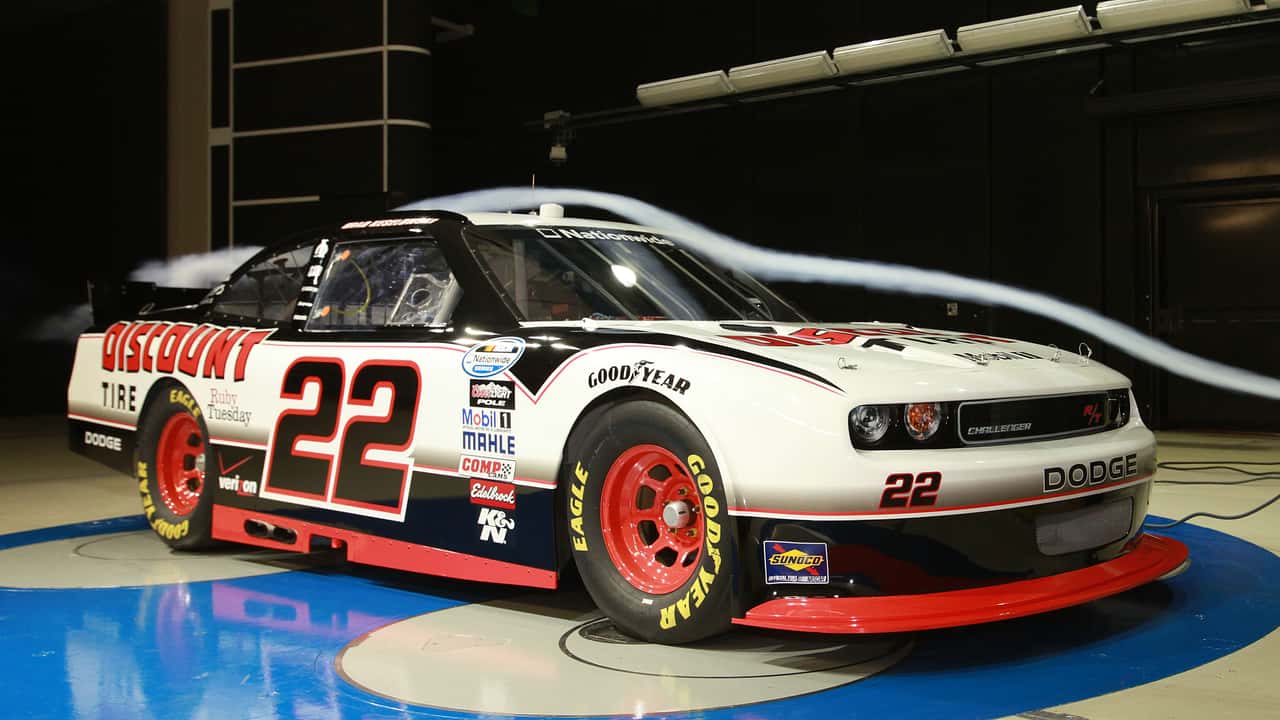


Dodge hasn’t turned a lap in NASCAR’s Cup Series since 2021. If recent reports hold, that absence could end a full year earlier than anyone planned.
The Athletic reported this week that Dodge was originally targeting a 2028 return to NASCAR’s top series, but development breakthroughs have pushed that timeline forward to 2027. The automaker has already completed initial wind tunnel testing and is now sorting out engine production — two massive hurdles that apparently fell faster than expected.
Multiple industry sources told the publication that significant challenges remain, and a 2027 debut is far from guaranteed. The NASCAR season typically fires up in February, which leaves Dodge fewer than eight months to finalize, validate, and homologate a race car. That’s an aggressive timeline by any standard.
The breadcrumbs have been there. When Ram announced its entry into the Craftsman Truck Series last year, Stellantis CEO Tim Kuniskis made no secret of his Cup Series ambitions. Ram doesn’t build a car. Dodge does.
The Charger is the obvious candidate for a stock car silhouette, and the idea of it lining up alongside the Chevrolet Camaro, Ford Mustang, and Toyota Camry has a symmetry that NASCAR desperately wants.
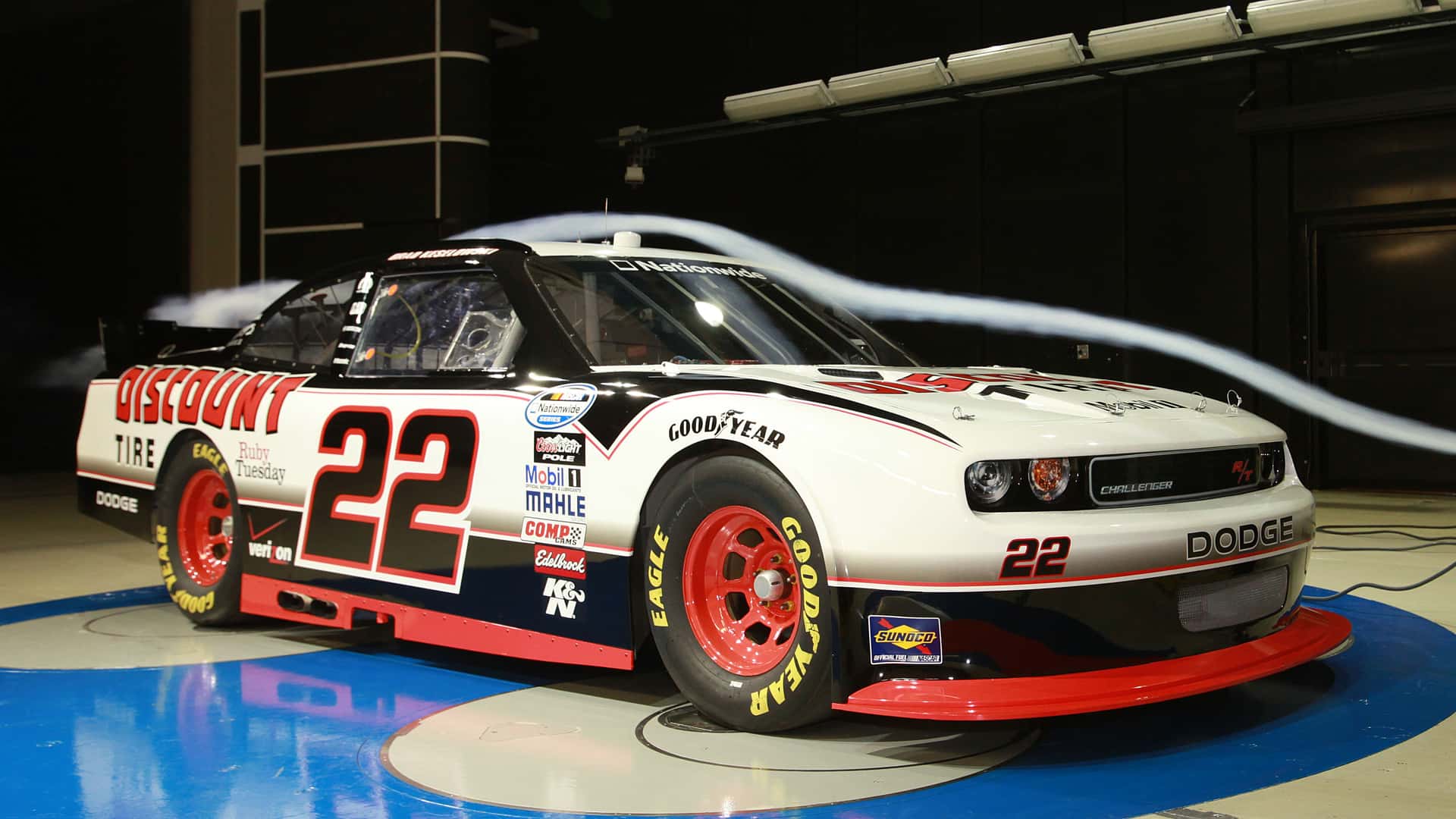
A fourth manufacturer would be a significant win for the series. NASCAR has operated as a three-brand show since Dodge departed, and adding another OEM deepens the competitive ecosystem, creates new team alliances, and brings fresh sponsorship money. For Stellantis, which has been scrambling to revive its American brands after years of strategic drift, a NASCAR presence is marketing that no Super Bowl ad can replicate.
But let’s be clear about what “development breakthroughs” actually means in this context. Wind tunnel testing is early-stage work. The Next Gen car’s common chassis simplifies some engineering, but Dodge still needs a complete aero package, an approved engine program, and at least one competitive team willing to field the car.
Engine production alone is a monumental undertaking. Chevrolet, Ford, and Toyota each have deeply entrenched engine programs with years of Cup Series development baked in. Dodge would be starting from a position of deficit no matter how talented its engineers are.
The last time the brand competed, it ran the venerable 5.7-liter Hemi-derived V8. Whatever comes next will need to meet NASCAR’s current parity regulations while being reliable enough to survive 500-mile races week after week.
Then there’s the team question. A manufacturer without a committed race team is just an engine supplier with good intentions. Landing a top-tier organization — or convincing an existing one to switch allegiances — requires more than patriotic enthusiasm. It requires a competitive package and financial backing deep enough to weather the inevitable early growing pains.
Stellantis has the resources. Whether it has the institutional patience is another matter entirely. The company has been making aggressive moves across its American portfolio, from the new Charger lineup to a reported Viper successor. A NASCAR return fits that pattern of trying to rebuild credibility with enthusiasts who felt abandoned.
Eight months is tight. Tight enough that 2028 still looks like the safer bet. But the fact that Dodge is even in the conversation this early suggests the program has real momentum behind it, not just press-release ambition.
If a Charger rolls onto the Daytona grid in February 2027, it will be the fastest brand resurrection in recent NASCAR history. If it doesn’t, nobody should be surprised. Building a competitive Cup car isn’t something you rush — unless you’re Dodge, apparently, and you’ve got something to prove.

Share this Story