
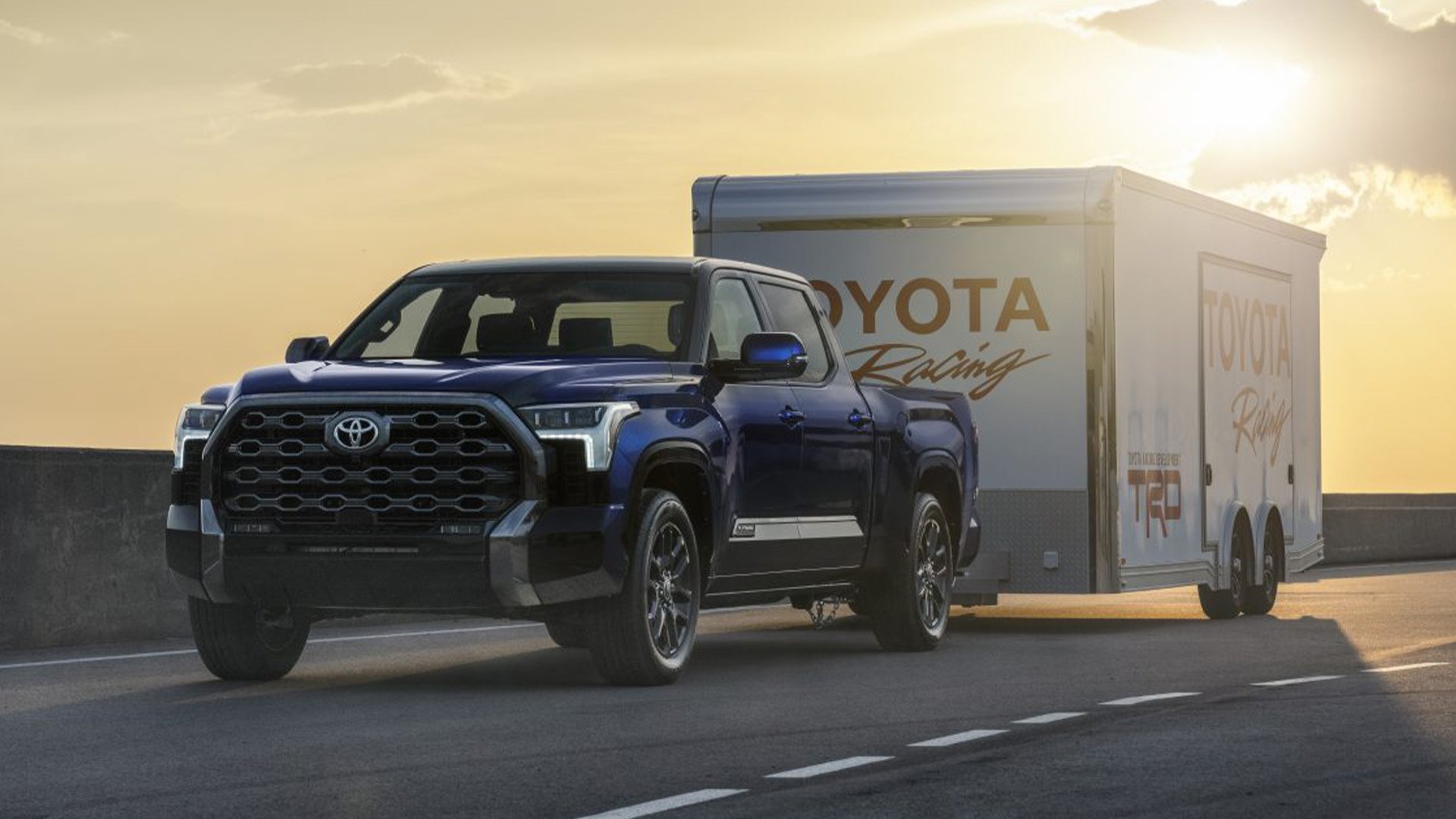


More than 270,000 vehicles recalled. Over 70,000 engines already ripped out and replaced. And now Toyota is changing the rules mid-game, telling a big chunk of Tundra owners they might not get a new engine after all.
A National Highway Traffic Safety Administration document updated June 15 lays out the shift. Instead of blanket engine replacements for trucks caught up in the latest recall wave, Toyota will now run dealer-level diagnostic software to evaluate the condition of the number-one main bearing before deciding whether a swap is warranted. If the software says the bearing looks fine, the owner drives home with the same engine.
The problem traces back to manufacturing debris, called swarf, that can cling to the main bearing inside the V35A-FTS twin-turbo V6 and cause knocking, rough idle, or outright failure. Three separate recalls have been issued since May 2024. The first two resulted in engine replacements across the board. This third one, filed in May 2026, introduces the inspection-first approach.
Toyota says the new diagnostic uses the resonant frequency of the front of the crankshaft to assess bearing wear without tearing the engine apart. It also pulls vehicle drive data to confirm the engine has been stressed enough to produce a reliable reading. If there isn’t sufficient data, the engine gets replaced anyway.
Trucks from the original May 2024 recall still qualify for automatic replacements if they haven’t already received one. Vehicles that already got new engines won’t need re-inspection because a redesigned bearing has been standard in replacements since July 2024.
That all sounds reasonable on paper. The owner community isn’t buying it.
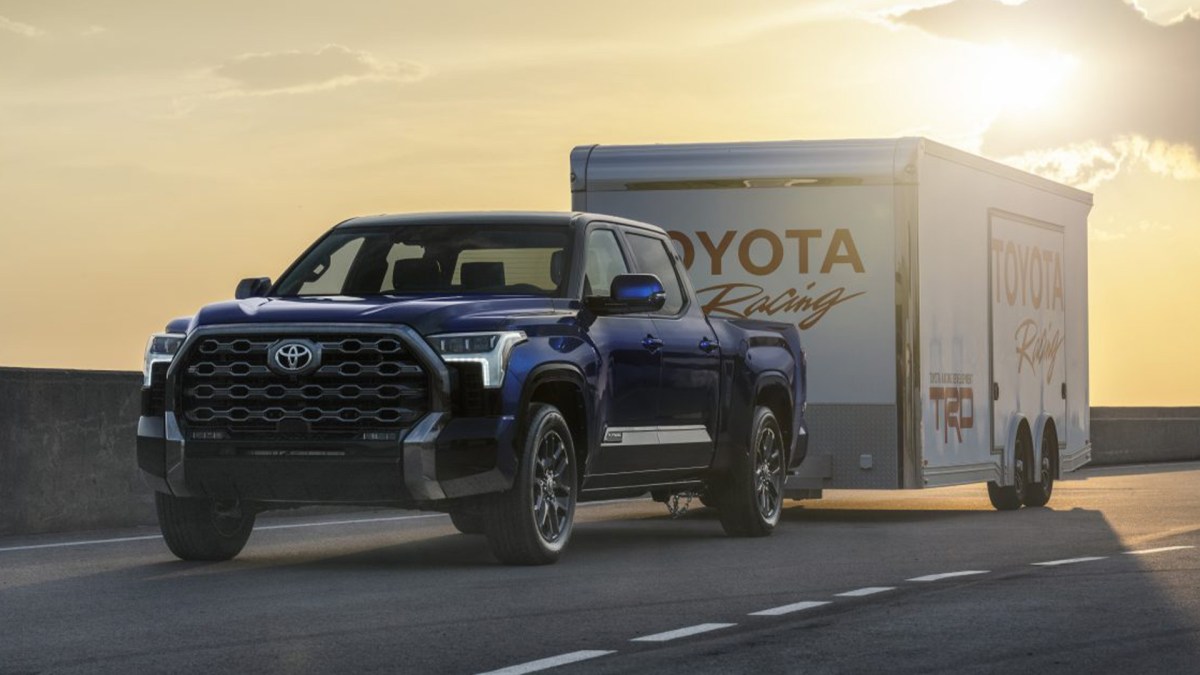
Ryan Gregg, a Tundra enthusiast and vocal owner advocate, called the decision a way for Toyota to slow the financial bleeding while avoiding admission of a deeper design flaw. He urged the company to keep the customer, not the bottom line, at the forefront. Members of the 2022+ Toyota Tundra Owners Facebook group echoed the frustration, pointing to two years of recalls and shifting remedies as evidence that Toyota still hasn’t reckoned with the V35A-FTS’s problems.
Their skepticism isn’t baseless. Toyota is still bolting the same engine family into brand-new Tundras rolling off the line today. The company says revised bearings make current production engines less susceptible to swarf damage, even though manufacturing debris may still be present. That’s a qualified assurance at best, the kind of language engineers use when they’re confident but not certain.
Seventy thousand engine replacements is an astronomical number for any automaker, but especially for Toyota, a company whose entire brand identity rests on the idea that its trucks will outlive their owners. The Tundra was supposed to be the answer to Ford and GM dominance in the full-size pickup segment, a truck that brought Toyota durability to a class that desperately needed it. Instead, it has become the single biggest threat to the reliability narrative Toyota has spent decades constructing.
Switching from guaranteed replacements to software-gated inspections is a business decision dressed up as an engineering one. Toyota has the data to justify it and the diagnostic tools to execute it. But trust, once cracked, doesn’t get repaired with a resonant frequency scan.
Every Tundra owner who gets told their bearing passed inspection will spend the next 100,000 miles listening for a knock that may never come, or may come the day after the warranty expires. Toyota built its legend one bulletproof truck at a time. It’s risking that legend 270,000 trucks at a time.

Share this Story