
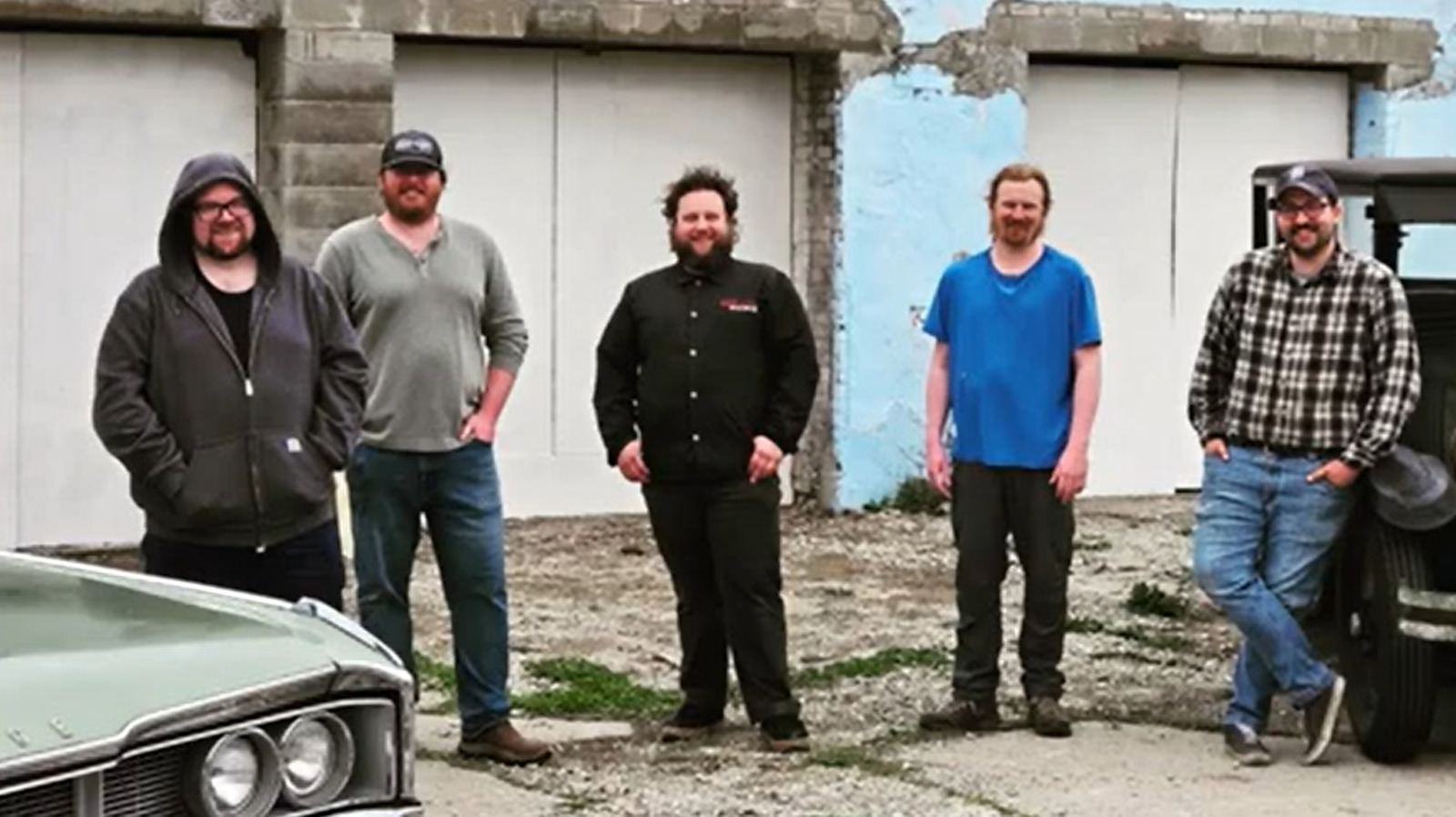


Devin Sykes bought an abandoned 1920s service station in Detroit and is turning it into a rent-by-the-hour workshop where anyone can roll in, use professional tools and lifts, and wrench on their own car. No garage required. No $500 shop bill for a job you could do yourself with a hoist and a buddy.
The concept isn’t new. Shared DIY garage spaces have popped up in pockets across the Midwest, from Wingman Garage in Akron to Moto Michigan north of Detroit. But this one lands differently because the timing is almost too perfect.
With inflation squeezing household budgets and labor rates at independent shops now routinely north of $120 an hour, people are rediscovering an old truth: you can do a lot of your own maintenance if someone just gives you the space and the tools. Sykes is betting on that math, and in Detroit, the numbers work. Real estate is cheap, car culture is baked into the city’s DNA, and the demand is already there.
Volunteers have been helping Sykes rehab the old station, pulling a fuel tank out of the ground and putting a new roof on a building that’s seen a century of Michigan winters. It’s not glamorous work. It’s the kind of knuckle-busting effort that actually builds something worth having.
What makes this project more interesting than a simple business story is what it says about where car culture is headed. The past two decades hollowed out the physical spaces where enthusiasts used to gather. The corner gas station gave way to online forums, which gave way to Facebook Groups, which gave way to Instagram clout chasing.
Car shows became content farms. Late-night garage sessions with friends became YouTube tutorials watched alone. The social infrastructure of the car hobby quietly collapsed, and nobody really replaced it.
Sykes is trying to rebuild a piece of that infrastructure, literally brick by brick. A place where a 60-year-old hot rodder can show a 22-year-old how to set timing. Where someone who’s only ever parked at the curb with a floor jack and a prayer can finally get their project off the ground properly.
Where the next generation of enthusiasts doesn’t have to learn everything from a screen. Detroit is the right city for this. The Rust Belt has a stubborn habit of preserving old buildings instead of bulldozing them for chain restaurants, and that preservation instinct extends to the culture those buildings housed.
An old service station becoming a new community workshop is the kind of continuity that makes sense in a city built on making things with your hands. For the people in the neighborhood who don’t have a garage, who face municipal fines for wrenching at the curb, who can’t justify $300 for an exhaust install they could handle in an afternoon, this is practical salvation. It’s also a gathering point, which matters more than the tools.
Sykes and his crew are accepting donations and offering pre-purchase memberships to fund the final push. The station isn’t finished yet, but the foundation, both physical and philosophical, is solid.
The car hobby spent twenty years migrating online. Maybe the most radical thing anyone can do in 2026 is open a door, hand someone a wrench, and say come on in.





Share this Story