


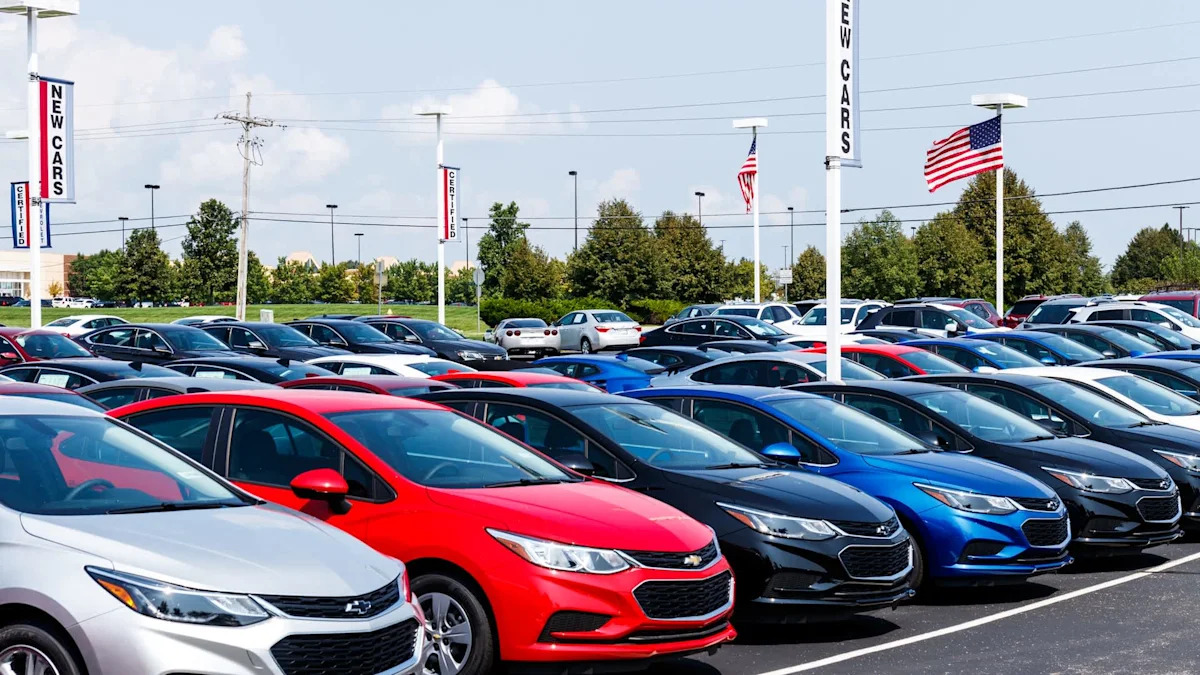
The math is obscene. Kelley Blue Book pegged the average new car transaction price in the United States at $51,456 in March. In China, the five best-selling electric vehicles — BYD’s Seagull, Yuan UP, and Qin Plus DM, plus the Geely EX2 and the Wuling Hongguang MiniEV — cost a combined $49,440.
One American car. Five Chinese electrics. And change left over for lunch.
Reuters laid out the comparison this week, and while it reads like a parlor trick, the underlying dynamics are dead serious. China now offers more than 200 electric models, including plug-in hybrids, priced below $25,000. The United States can barely field a handful of EVs under $35,000.
The Geely EX2, which starts at $10,060, was China’s top-selling vehicle of any type in 2025. Not top-selling EV. Top-selling vehicle, period.
It’s a small hatchback with a 14.6-inch touchscreen, a front trunk, and up to 255 miles of range on China’s test cycle. Geely is reportedly bringing it to Australia this year. The U.S. isn’t on that list.
Wuling’s Hongguang MiniEV goes for $6,560. It’s a microcar — two of the older two-door versions could fit in an F-150’s bed — but for 2026 it got four doors, bigger rear seats, and a 127-mile range. Wuling’s slightly larger Bingo Pro starts just above $8,000 with 250 miles of range, enough for actual highway use.
Then there’s BYD’s Seagull at $10,200. The 2026 model offers optional lidar for autonomous lane-changing and a quoted 314 miles of range. Lidar on a ten-thousand-dollar car. American automakers are still trying to figure out how to make a $30,000 EV pencil out.
The price war isn’t limited to tiny city cars. Volkswagen’s Sagitar S, a compact sedan sold in China, opens at $11,600 — less than half the U.S.-market Jetta’s $23,995 sticker. VW also debuted the Jetta X concept in Beijing, a rugged electric SUV targeting sub-$15,000.
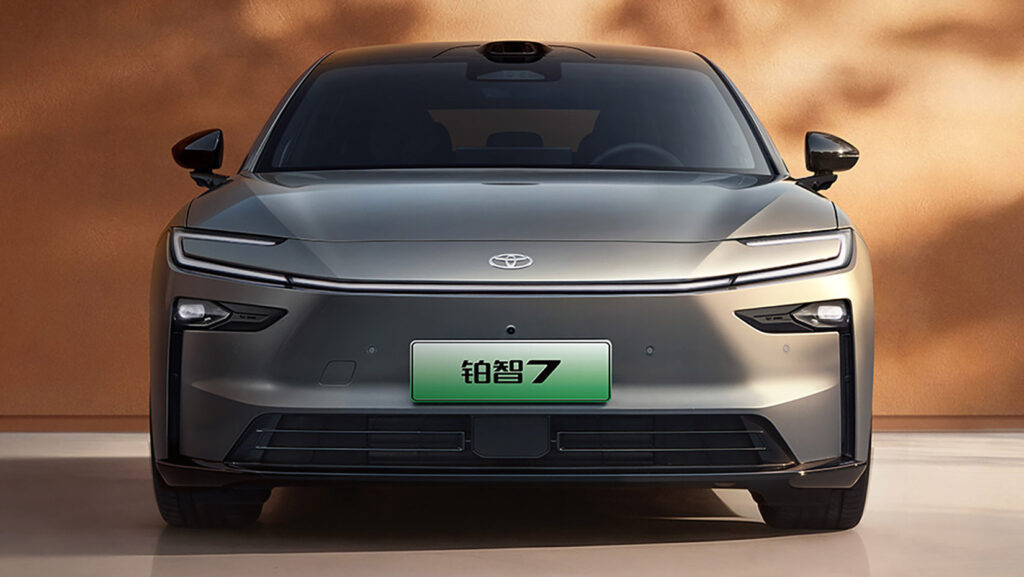
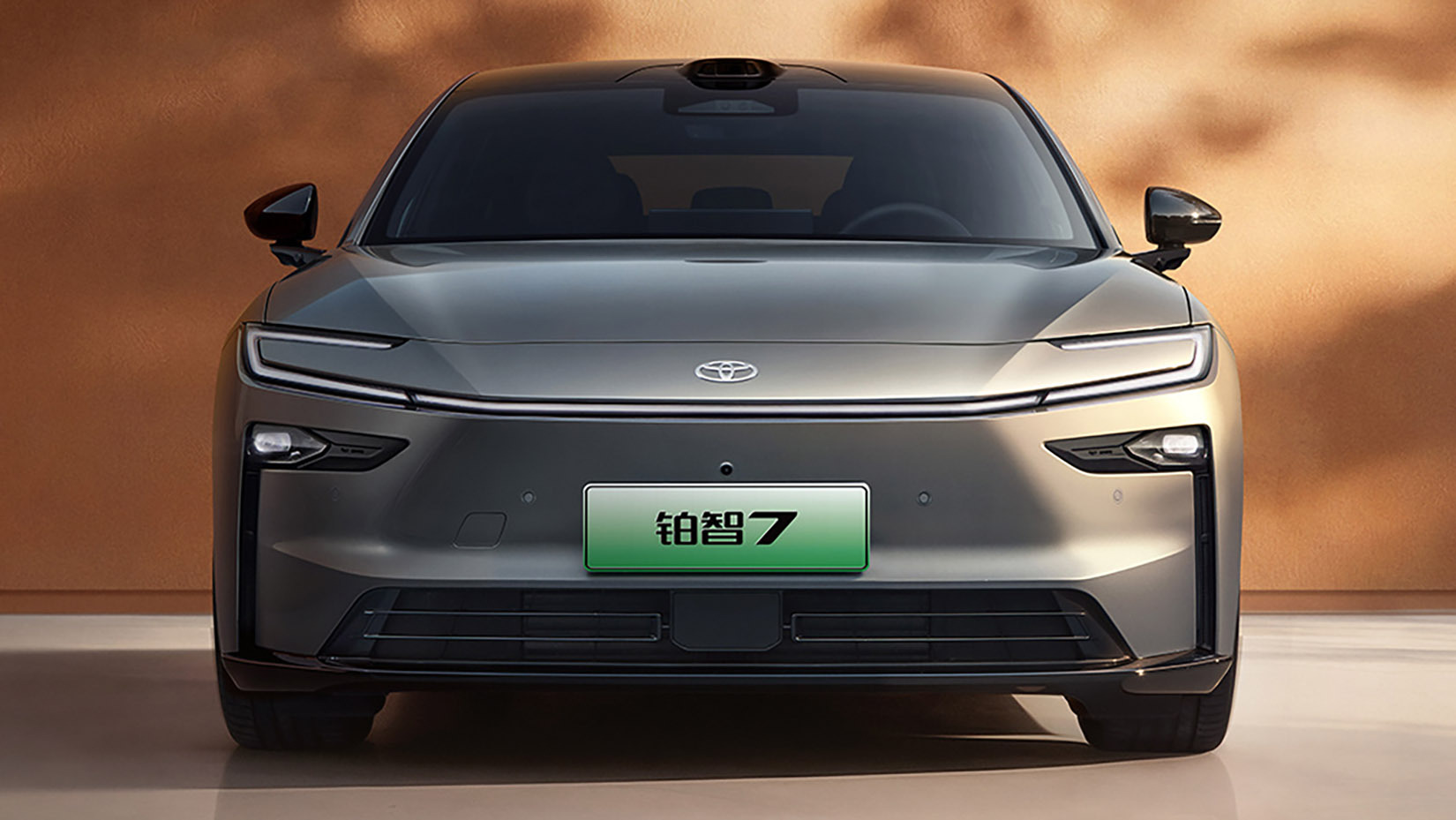
Toyota’s bZ7 sedan stretches longer than a Model S yet starts around $21,500. Nissan’s N7, roughly Maxima-sized and fully electric, begins near $17,000.
These are not vaporware. They were on the floor at the Beijing Auto Show, which was the largest on record with over 1,400 vehicles displayed and more than 180 world premieres.
None of these vehicles are sold in U.S. dealerships, and with tariffs north of 100 percent on Chinese-made EVs, they may never be. That wall keeps American consumers insulated from the price pressure — but it also keeps them paying mid-five-figure prices for vehicles that Chinese buyers wouldn’t glance at for twice the money.
China accounted for nearly two-thirds of global EV sales in 2024, up from roughly half in 2021. The U.S. managed 1.6 million EV sales that year, respectable growth but a fraction of China’s volume. The federal EV tax credit hasn’t moved the needle as hoped, partly because so many models fail to qualify.
The gap isn’t just about subsidies or cheap labor. It’s about a market where dozens of automakers — domestic and foreign — are locked in a knife fight over every price point, every feature, every mile of range. That kind of competition compresses margins and accelerates innovation at a pace the American market simply doesn’t demand.
American buyers aren’t choosing to pay $51,456. They’re paying what the market charges when competition is limited and the cheapest credible EVs start near $30,000. The Chinese market proves those prices aren’t inevitable. They’re a choice — just not one American consumers get to make.
Share this Story