
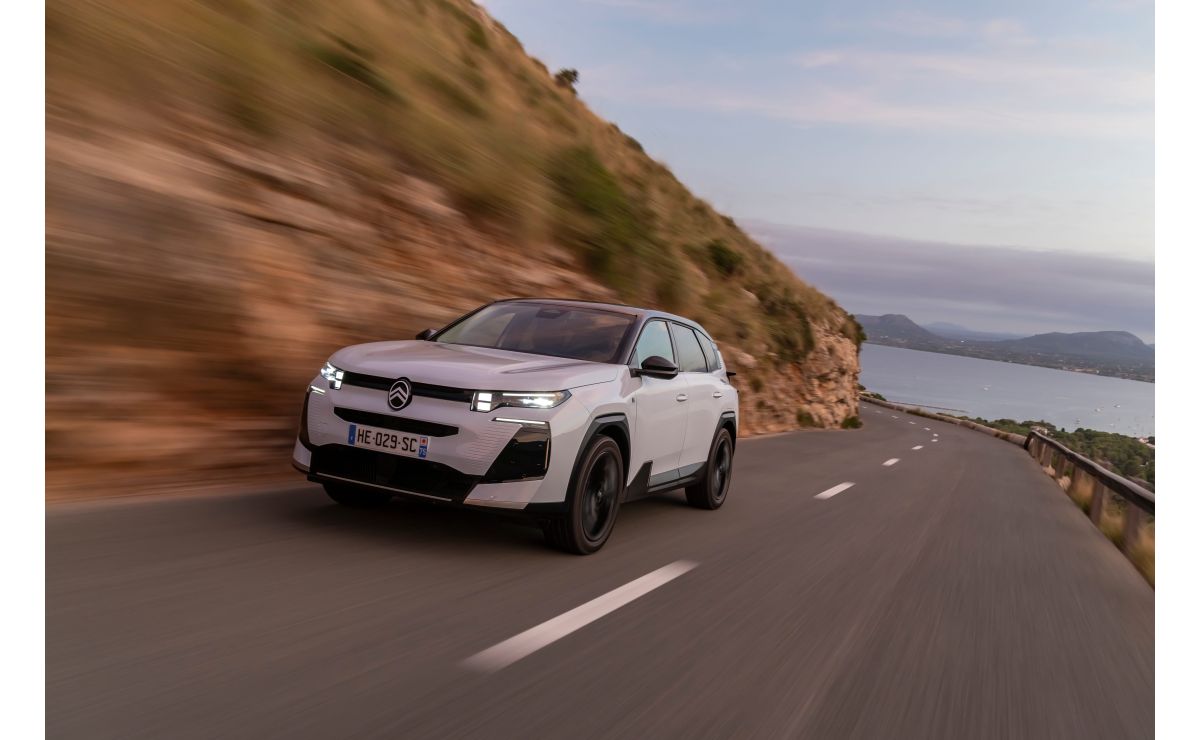


Stellantis posted a net profit of €377 million in the first quarter of 2026, clawing back from a €387 million loss in the same period a year ago. CEO Antonio Filosa called it evidence of “early results of our actions to return Stellantis to sustainable, profitable growth.” Sustainable is doing a lot of heavy lifting in that sentence.
Net revenues climbed 6% to €38.1 billion, shipments rose 12%, and adjusted operating income nearly tripled to €960 million. All directionally correct. All better than the dismal Q1 2025 that nearly broke investor confidence.
But the adjusted operating margin landed at 2.5%, a number that would have gotten a Stellantis executive fired three years ago. This is a company that printed double-digit margins under Carlos Tavares as recently as 2023. A 2.5% margin in a quarter where shipments grew 12% suggests pricing power is evaporating faster than volume can compensate.
Industrial free cash flows remained negative at €1.9 billion, improved 37% year-over-year but still deep in the red. Stellantis attributed this to “typical first-quarter seasonality” and roughly €700 million in cash outflows tied to charges booked in the second half of 2025. The company doesn’t expect positive industrial free cash flows until 2027.
That’s a long runway to burn through while telling shareholders things are getting better.
The balance sheet maneuver of the quarter was the issuance of €5 billion in hybrid perpetual notes in March, which padded industrial available liquidity to €44.1 billion. That’s 28% of trailing twelve-month revenues, safely within Stellantis’s self-imposed 25-30% corridor. But perpetual notes aren’t free money — they’re expensive capital that signals a company fortifying its defenses rather than investing from a position of strength.
North America provided the brightest spot. U.S. sales grew 4% while the overall market shrank 6%, pushing Stellantis’s regional share to 7.9%. Ram was the engine, posting roughly 20% U.S. sales growth, its best first quarter since 2023.
The new Jeep Cherokee and refreshed Grand Cherokee are now in showrooms, and the Dodge Charger SIXPACK adds muscle to the lineup.
Europe held steady. EU30 market share edged up to 17.5%, or 18.1% when including Leapmotor, the Chinese EV partner that is quietly becoming Stellantis’s secret weapon on the continent. Leapmotor emerged as the leading BEV brand in Italy, a remarkable achievement for a brand most European consumers hadn’t heard of 18 months ago.
South America remains Stellantis territory with a 21.1% regional share, dominant in Brazil and Argentina. But that share dropped 270 basis points year-over-year. Leadership is leadership, but the direction of travel matters.
The same day Stellantis released these numbers, Meta reported $56.3 billion in quarterly revenue with a 41% operating margin, up 33% year-over-year. One quarter of Meta’s profit could buy Stellantis’s entire quarterly operating income roughly 28 times over. The comparison isn’t entirely fair — automaking is a capital-intensive grind — but it illustrates why Stellantis stock trades at a fraction of its book value.
Filosa confirmed full-year 2026 guidance: mid-single-digit revenue growth, low-single-digit AOI margin, and improved cash flows. Ten new vehicles are planned for the year. An Investor Day is set for May 21 in Auburn Hills, where the new CEO will presumably lay out a longer-term vision.
The turnaround is real. It’s also fragile. Stellantis went from bleeding money to barely making it in a quarter where volumes surged and product launches landed well.
The question Filosa will face in Auburn Hills isn’t whether the patient has a pulse. It’s whether Stellantis can rebuild margins before the next downturn arrives and there’s nowhere left to hide.




Share this Story