
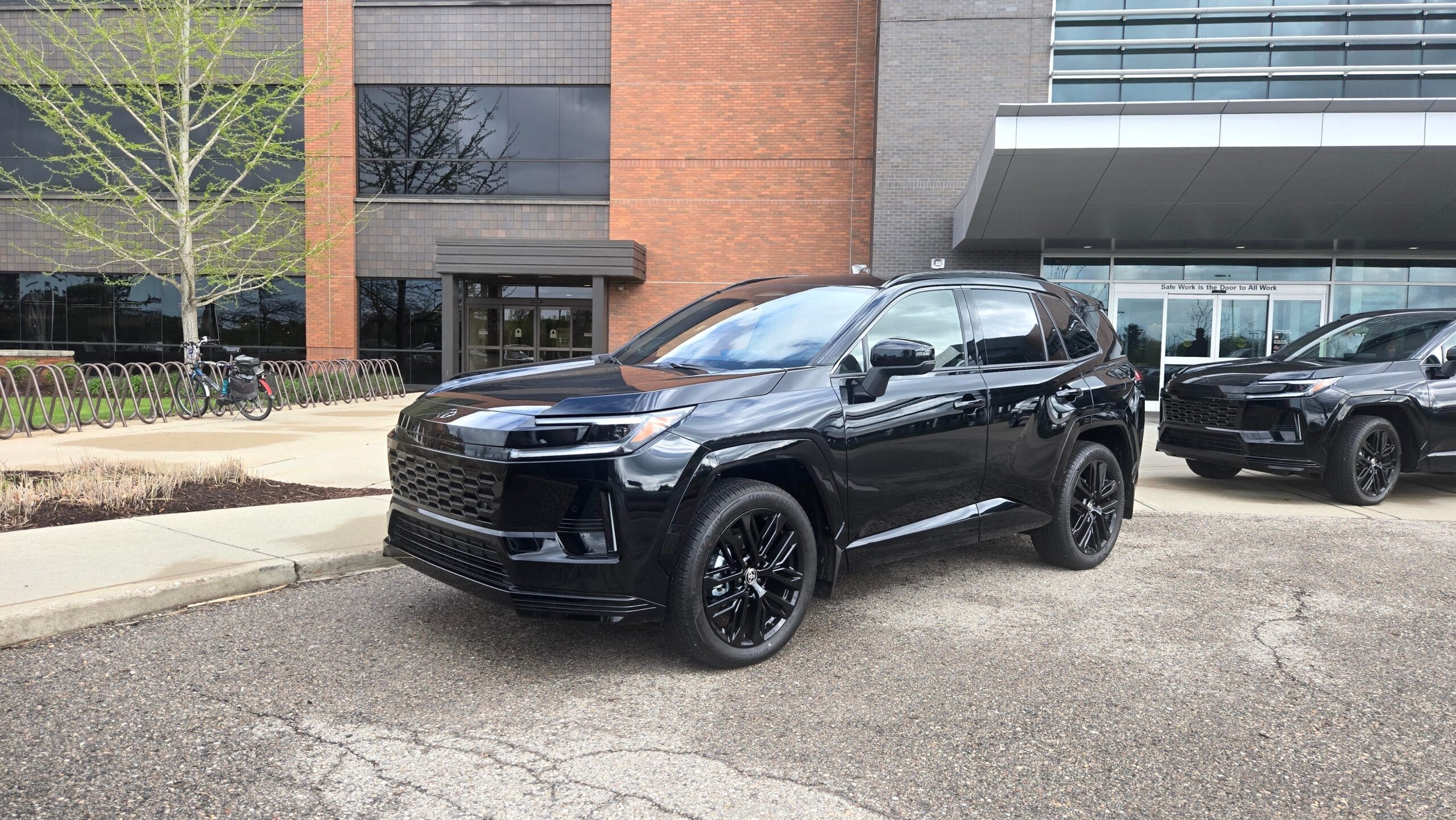


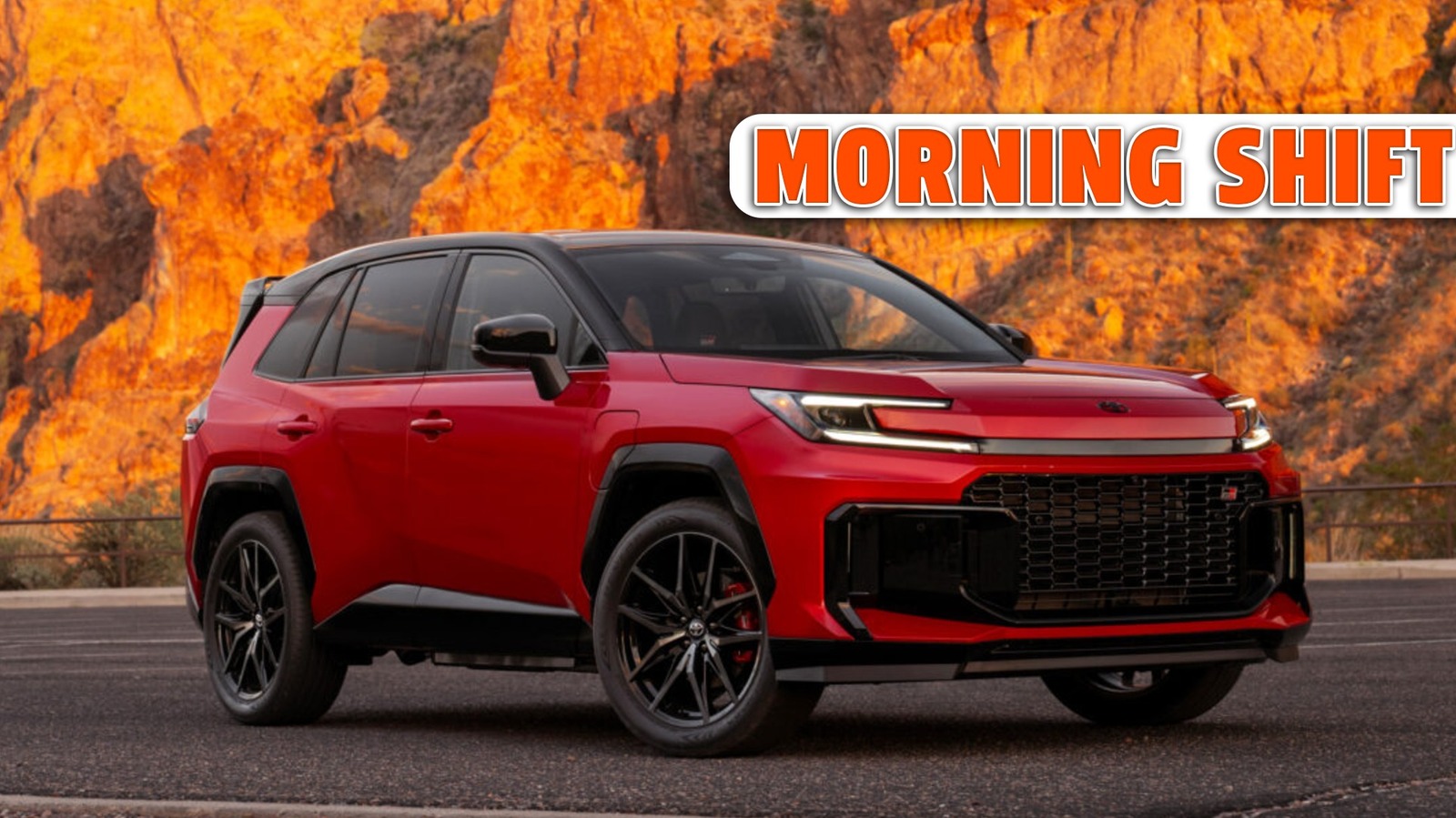
America’s bestselling SUV now starts at $31,900 and no longer offers a gas-only engine. Every sixth-generation 2026 Toyota RAV4 rolls off the line as a hybrid, and Toyota has used that clean-sheet moment to overhaul the technology inside the cabin — for better and, in at least one case, for a recurring fee.
The new infotainment system runs on a Linux-based OS with either a standard 10.5-inch touchscreen or a 12.9-inch unit on the Limited, XSE, and GR Sport trims. Widget tiles can be dragged and dropped like a smartphone home screen. Wireless Apple CarPlay and Android Auto pair without fuss.
A built-in Spotify app joins the party, and cloud-based navigation now mirrors turn-by-turn directions onto the standard 12.3-inch digital gauge cluster.
Toyota also wired the system with AT&T 5G connectivity and a voice assistant that can find you a coffee shop on command. Handy stuff — until the one-year trial expires and you’re staring at a roughly $15-per-month subscription to keep live traffic, weather, and connected services running. Toyota isn’t the only automaker pulling this move, but charging monthly for features baked into a vehicle you already bought never feels less irritating the second or third time around.
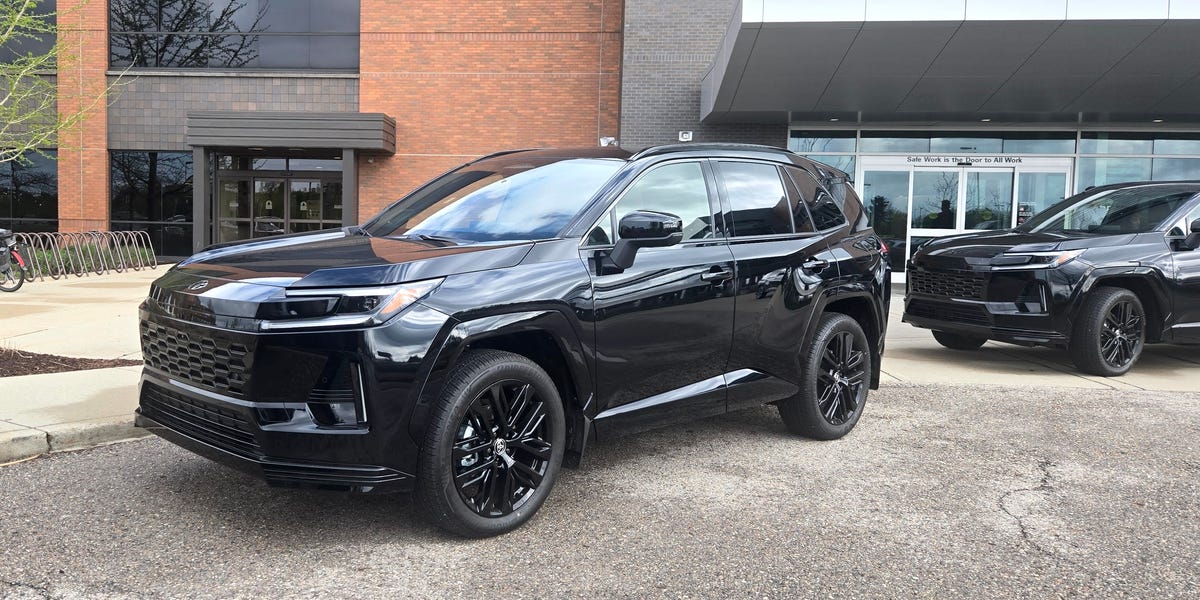
One thing Toyota got right without a subscription string attached: a volume knob in an easily reachable spot. The tuning knob from the outgoing model, however, is gone. That’s a minor loss most buyers won’t notice and a few radio loyalists will mourn.
The bigger story may be what Toyota bolted onto the driver-assistance portfolio. Toyota Safety Sense 4.0 debuts here with forward-collision warning that now recognizes motorcycles, not just pedestrians. Adaptive cruise control in Eco mode actually analyzes aerodynamic drafting opportunities behind other vehicles — a first for a mainstream Toyota system.
Lane-keep assist gains an automated lane-change function triggered by the turn signal, nudging the RAV4 closer to semi-autonomous highway cruising territory previously dominated by GM’s Super Cruise and Ford’s BlueCruise. Managing all those assists no longer requires digging through steering-wheel menus. Toyota moved the controls to the center touchscreen, a sensible consolidation that took too long to arrive.
Every RAV4 also ships with a built-in dash cam fed by the exterior cameras. Clips can be recorded automatically or manually, reviewed on the main display, or pulled via USB. In an age of insurance fraud and parking-lot hit-and-runs, standard dash-cam capability is the kind of practical, no-nonsense feature that fits the RAV4’s identity perfectly.
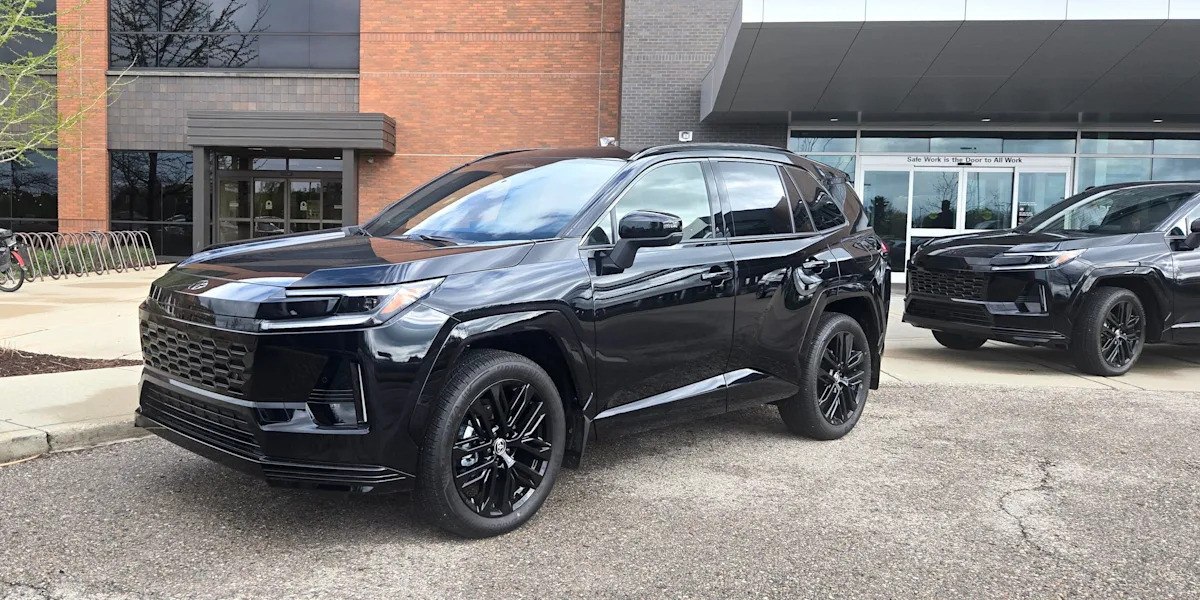
Edmunds gave the redesigned RAV4 an 8.1 out of 10, praising its fuel economy, cargo space, and tech while dinging it for seat comfort on long hauls and a ride that doesn’t absorb bumps as gracefully as some competitors. Pricing stretches from $31,900 for a front-drive LE hybrid to $43,300 for an all-wheel-drive Limited. The most popular configuration, the XSE AWD, lands at $41,300 — not cheap for a compact SUV, but loaded.
Toyota sold more RAV4s last year than any other SUV in the country, and the sixth generation looks engineered to keep that streak alive. The hybrid-only powertrain, the sharper infotainment, the deeper driver assists — it’s a calculated pile-on of exactly what mainstream buyers want. Whether those buyers will happily pay $15 a month to keep the connected features lit up is a different question entirely. Toyota is betting the answer is yes, or at least that most people won’t cancel until it’s too late to care.
Share this Story