
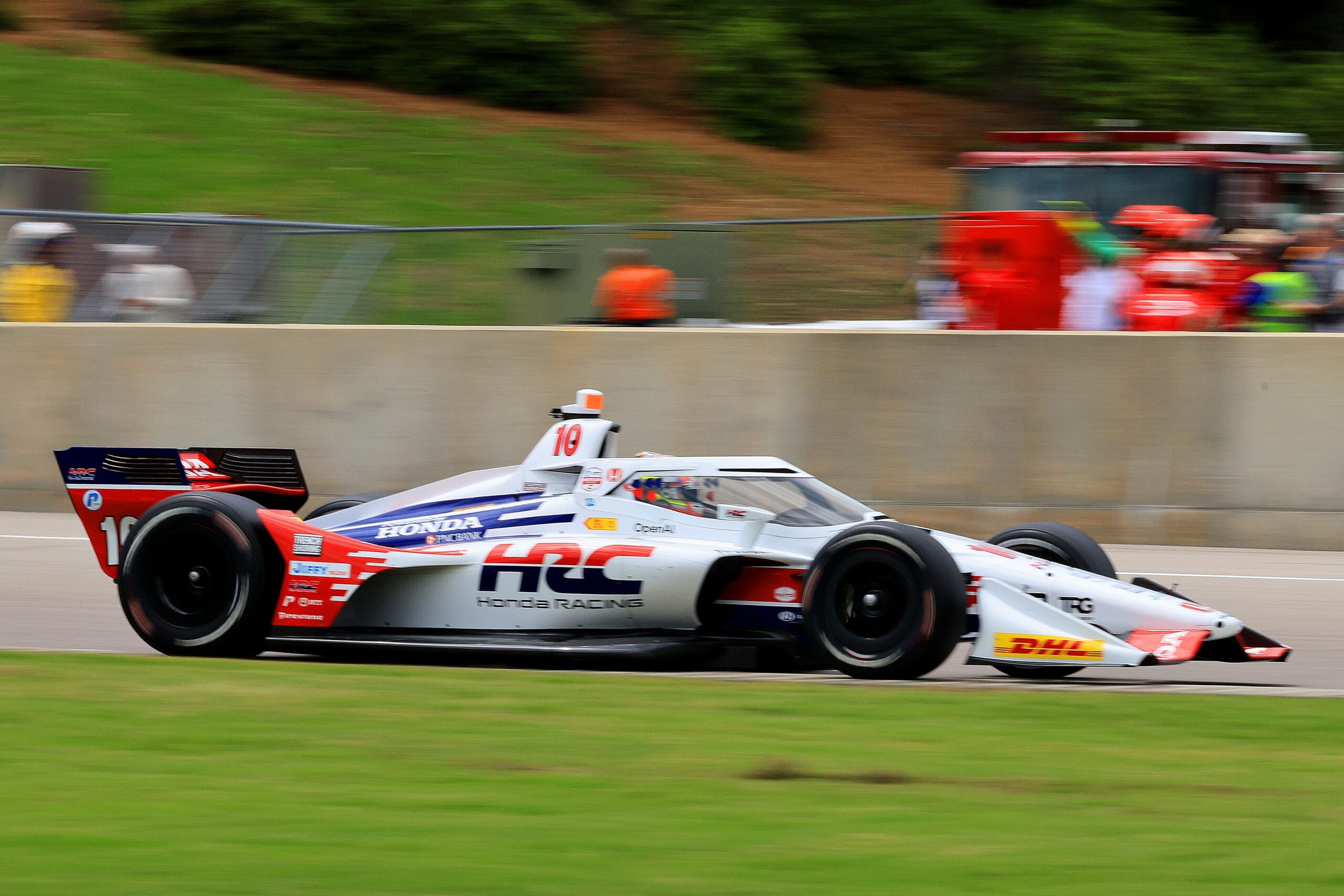


Two months before pausing its factory IMSA GTP program, Honda committed to building an entirely new engine for IndyCar’s 2028 regulations. That sequence tells you everything about where HRC US sees its future in North American motorsport.
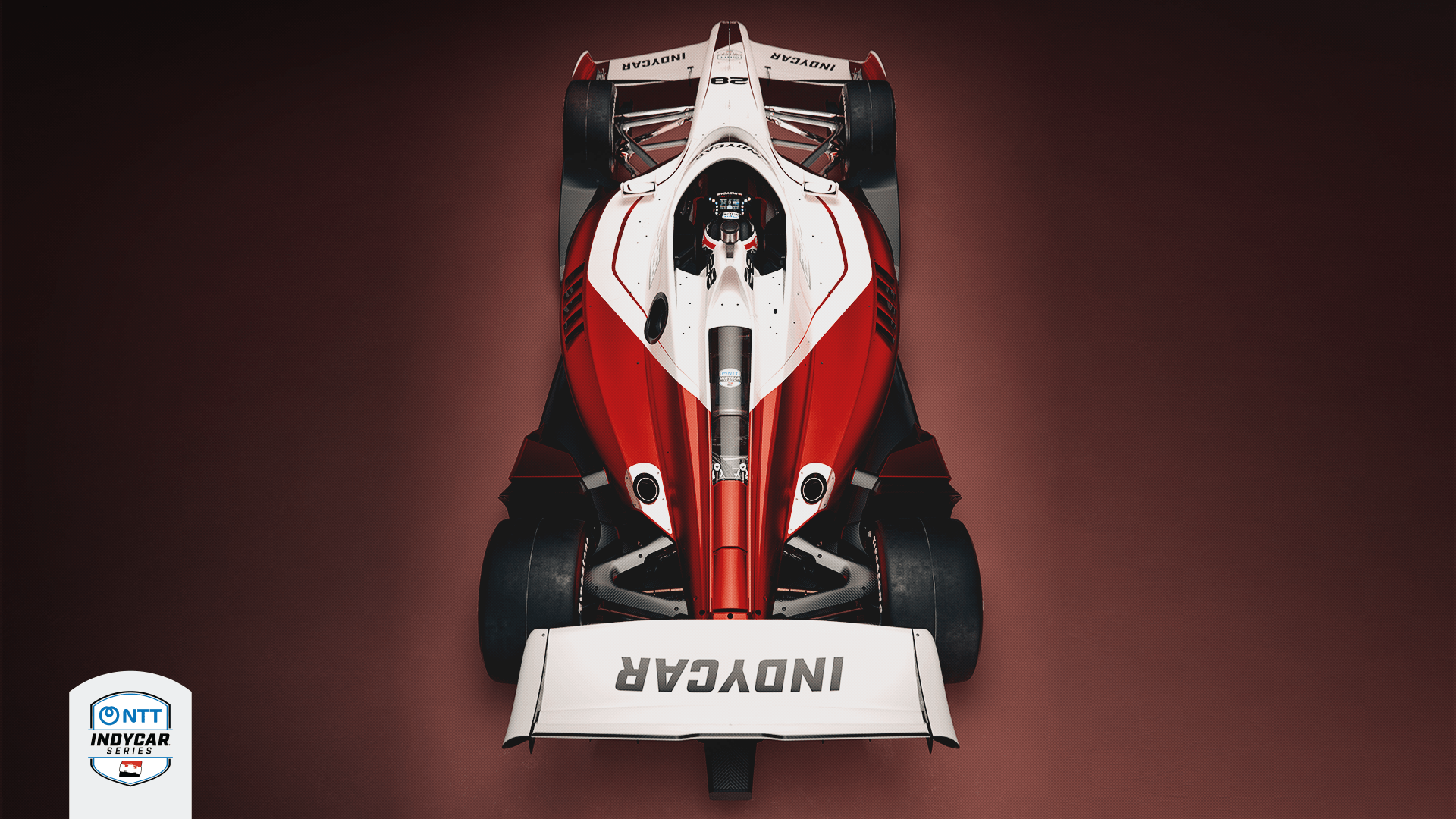
HRC US president David Salters and vice president Kelvin Fu laid out the stakes at the 2026 Long Beach Grand Prix. The upcoming 2.4-liter turbocharged V-6 won’t be a warmed-over version of anything Honda has built before. It will be, in Salters’ words, “completely new” — the first clean-sheet IndyCar engine and chassis combination in 16 years.
“I kept telling everybody, ‘We love IndyCar.’ I did not lie! No one listened to me, but I did not lie,” Salters said of the months of speculation that Honda might walk away before the new rules arrived.
The deal came together late last year after what Salters described as a long stretch of active discussions. He credited IndyCar’s health and Fox’s broadcast work with making the commitment easier to justify internally. But the real draw is the engineering challenge itself — a ground-up design cycle that lets Honda’s engineers, as Salters put it, “go out and do some risky stuff, but manage that risk.
The new powerplant shares its 2.4-liter V-6 displacement with Honda’s ARX-06 IMSA racer, but Salters was emphatic that similarity ends at the spec sheet. Manufacturing methods, internal architecture, and power delivery will all be different. He pointed to AI-assisted design as a potential game changer, a tool that didn’t exist at this level when the current IndyCar engine was conceived.
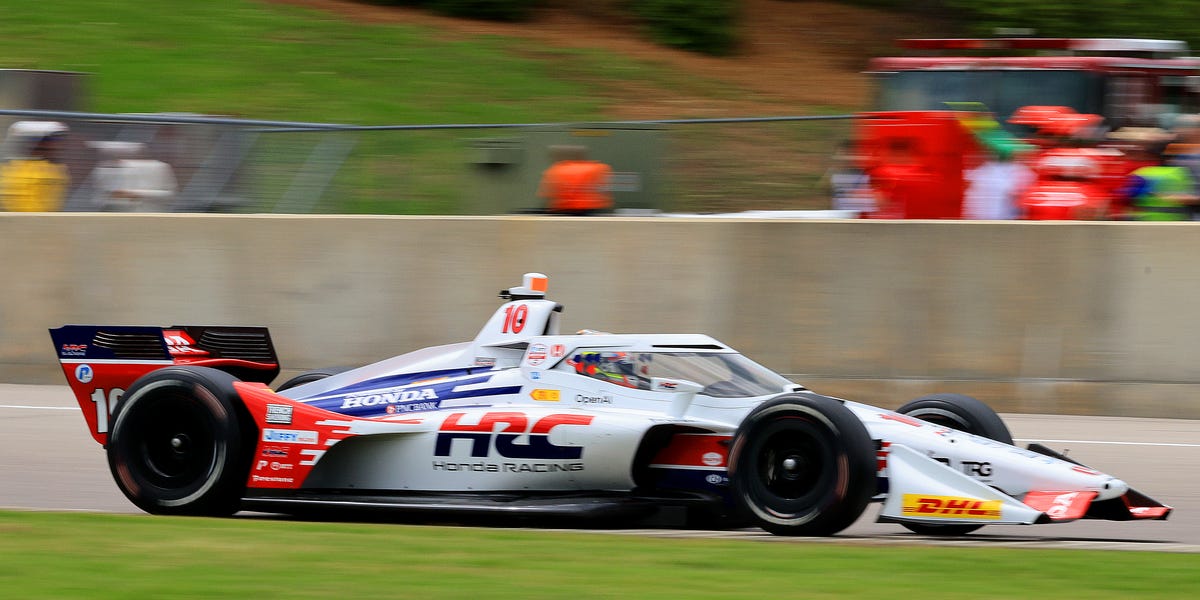
Honda is also expected to field a single-car factory entry under the new regulations, likely with Meyer Shank Racing, its current IMSA partner. Salters acknowledged the relationship but was careful to frame any factory entry as serving all Honda-powered teams equally. “I don’t care who wins, as long as it’s got an H on it,” he said.
Fu drew a sharp line between what hybrid technology can do and what it should do in an IndyCar. The series is adding a hybrid element for 2028, but Fu warned against letting electronics overwhelm the driver. “It’s not going to become LMDh with an open wheel,” he said. “You can’t lose the essence of what IndyCar is.”
That tension — technological ambition versus the raw, driver-dependent character of American open-wheel racing — sits at the center of the 2028 rule set, which still isn’t finalized. Honda, Chevrolet, Dallara, and IndyCar are still negotiating the details with nearly two years to go before the first race under the new formula.
The financial math matters as much as the engineering. Salters was blunt about the cost realities. “If it gets where we can’t afford it, I can tell you what’s going to happen: It won’t end well,” he said. “Let’s be sensible, let’s live within our means but do good stuff.”
That pragmatism colored the entire conversation. Honda paused its Acura-branded IMSA factory effort, a program running continuously since 2018, but Salters insisted the IndyCar commitment wasn’t made in the context of any other series decision. Fu added that “nothing is ever tabled,” leaving a sliver of possibility open for future IMSA customer programs, or even a long-rumored NASCAR entry.
But the money and the engineering talent are flowing toward IndyCar. Honda is choosing the series where it believes it can develop people, push technology, and do it on a budget that doesn’t require boardroom heroics every renewal cycle. After 32 years in the paddock, Honda isn’t just re-upping. It’s rebuilding from scratch — and betting that IndyCar’s next chapter is worth the investment when other programs weren’t.
Share this Story