
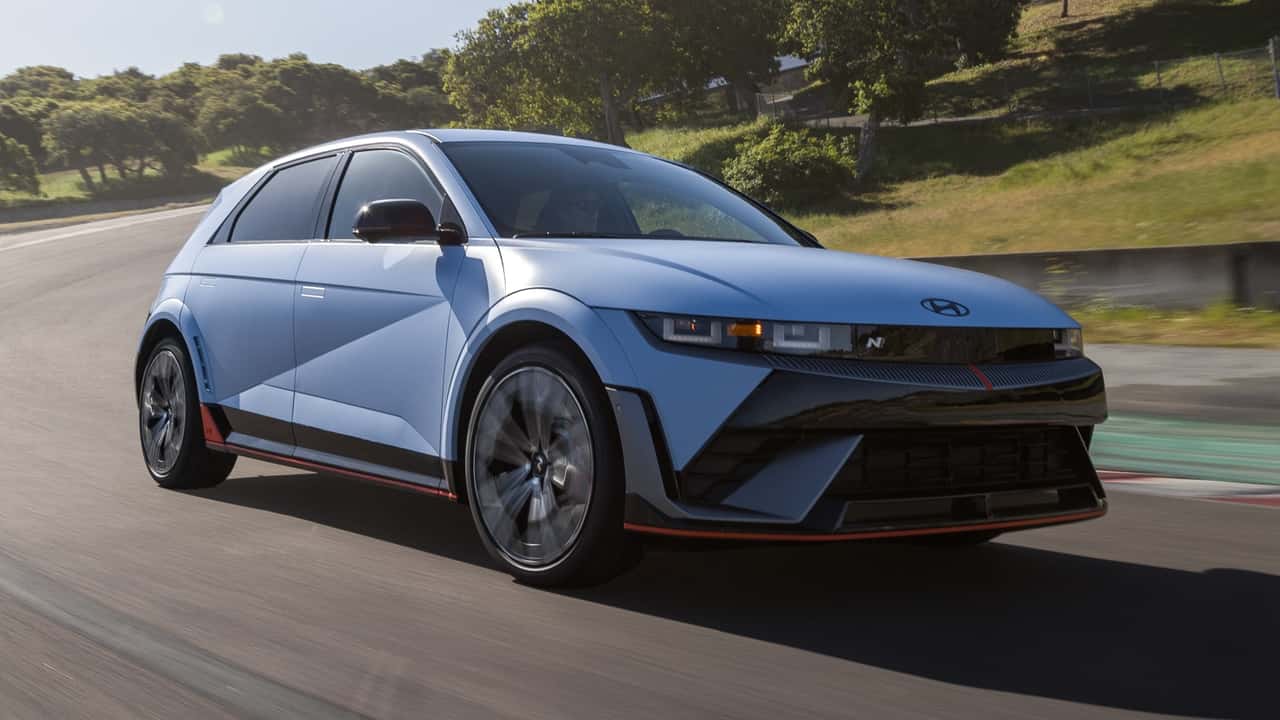


Six months after the federal government killed electric vehicle subsidies, the Hyundai Ioniq 5 is doing something almost nobody in the industry predicted. It’s growing.
Through the first quarter of 2026, Hyundai moved 9,790 Ioniq 5 units — a 14 percent jump over the same period last year, when buyers could still knock thousands off the sticker price with federal tax credits. The broader EV market has been bleeding since the subsidies ended last September. The Ioniq 5 apparently didn’t get the memo.
The crossover’s resilience sits at the center of a larger story about Hyundai’s Q1, which the Korean automaker is calling its best ever. Total sales hit 205,388 vehicles, a modest 1 percent gain over the first three months of 2025. Not explosive growth, but enough to set a record, and enough to suggest Hyundai’s product mix is hitting the market where it lives.
Not everything in the lineup is thriving. The Ioniq 6 sedan cratered 75 percent, falling from 3,318 units to just 829. That car is effectively dead in the U.S. — a stylish sedan in a country that has made abundantly clear it wants crossovers and SUVs. The Santa Cruz pickup dropped 32 percent, but Hyundai is already pulling the plug on that one too.
The Ioniq 5’s success stands out precisely because it shouldn’t be happening. Strip away a $7,500 incentive and most EVs become a harder sell. Dealers across the country have reported softening demand. Yet the Ioniq 5 — competitively priced, well-reviewed, and now benefiting from a refreshed design — is finding buyers anyway. That says something about product strength overcoming policy headwinds.
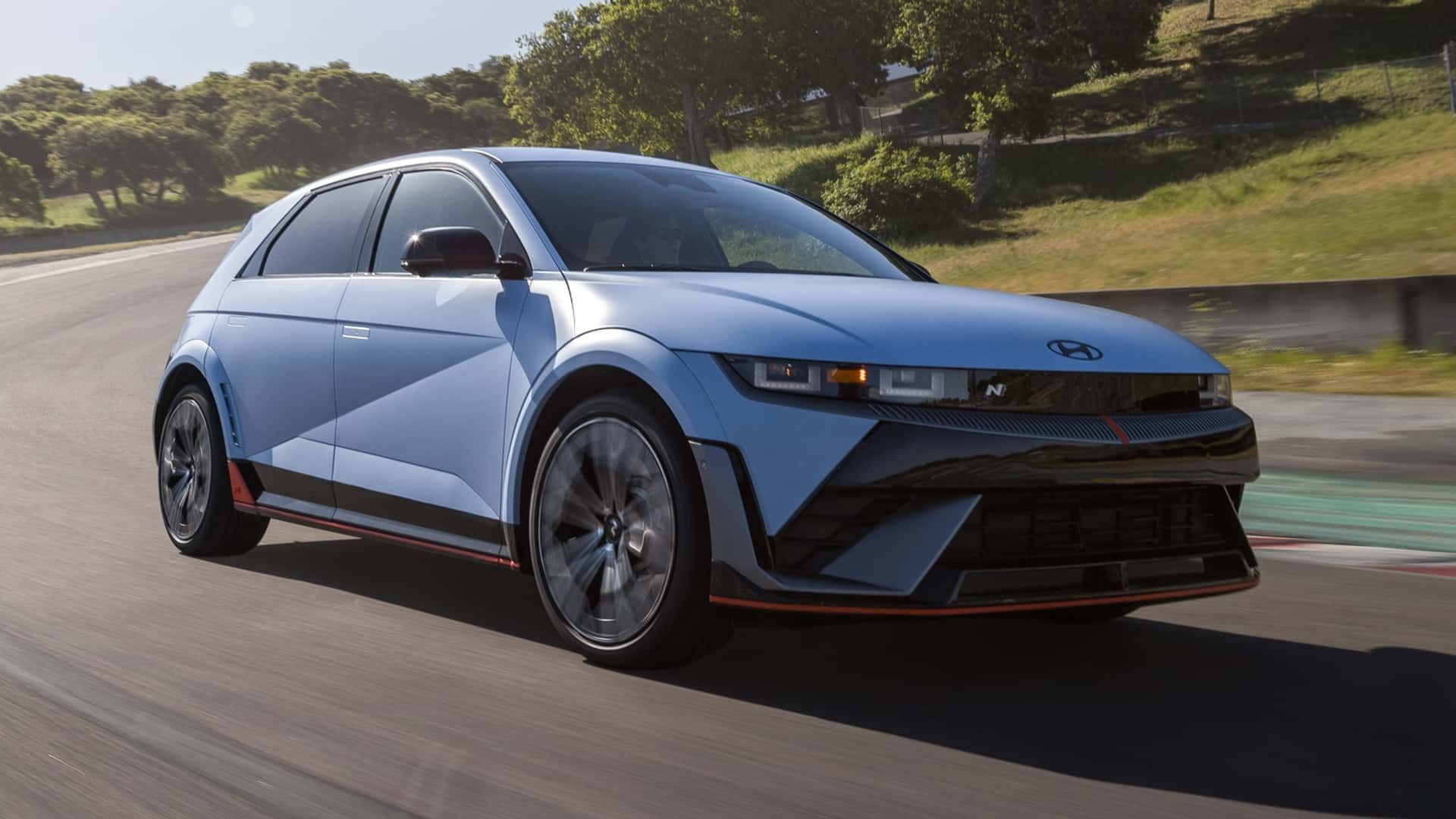
Hyundai’s real engine this quarter, though, was hybrids. The company reported hybrid variants of the Santa Fe, Elantra, and Sonata surging 47, 141, and 107 percent respectively. Those numbers dwarf anything else in the portfolio. Buyers fleeing pure electrics aren’t going back to straight gas — they’re landing on hybrids as the compromise powertrain of the moment.
The Tucson remained Hyundai’s volume king at 55,426 units, up a tick over last year. The Santa Fe posted a 6 percent gain to 33,343. The Palisade, now in its new generation, climbed 6 percent to 27,704. Even the bargain-basement Venue jumped 12 percent.
The Elantra and Sonata, the brand’s traditional sedan pillars, both slipped — down 1 and 8 percent respectively. That continues the slow erosion of the sedan segment that has defined this industry for a decade.
The new Ioniq 9 contributed 1,990 units in its first quarter of availability. It’s too early to call that a trend, but Hyundai now has a three-row electric flagship in showrooms, and it’s moving.
What Hyundai has built is a hedge. Buyers who want electric can get the Ioniq 5 or 9. Buyers who want to split the difference land on a hybrid Santa Fe or Elantra. Buyers who want none of it grab a Tucson or Palisade.
Nobody gets left behind, and Hyundai doesn’t have to bet the house on any single powertrain. That’s the playbook Detroit has been scrambling to assemble for years. Hyundai already has it on dealer lots, and Q1 2026 is the proof — a record quarter built not on one breakout hit, but on a lineup deep enough to absorb a policy shock and keep moving forward.
Share this Story